Department of Atomic Energy
DAE Inaugurates World's First Hydrogen Production Facility Based on Copper–Chlorine Thermochemical Cycle Using Nuclear Heat from Fast Breeder Test Reactor
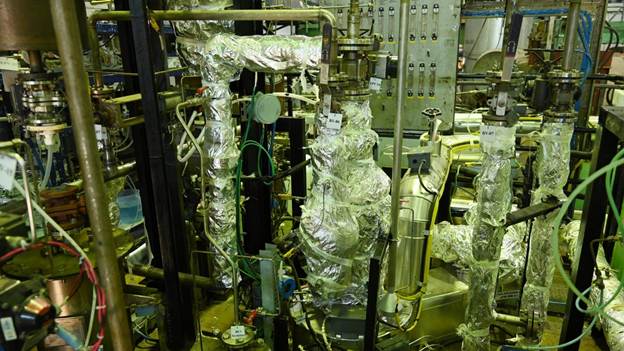
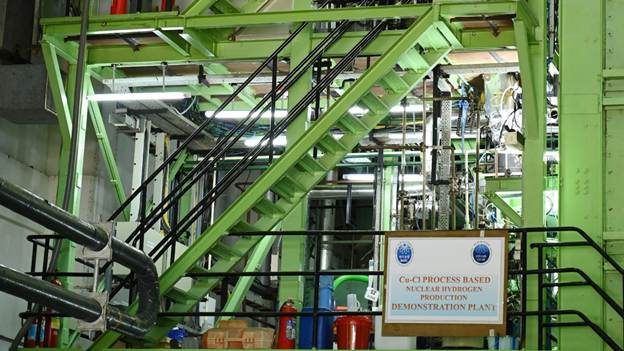
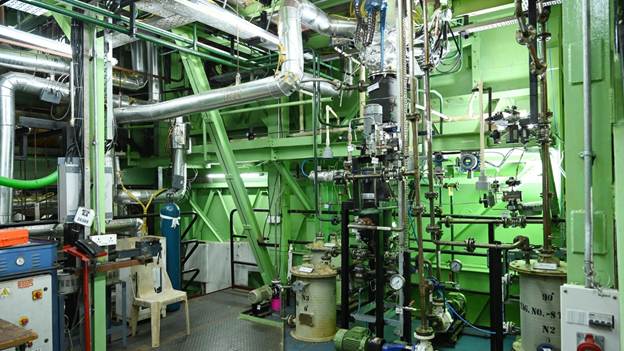
World's first Copper–Chlorine thermochemical hydrogen production facility using nuclear heat from FBTR
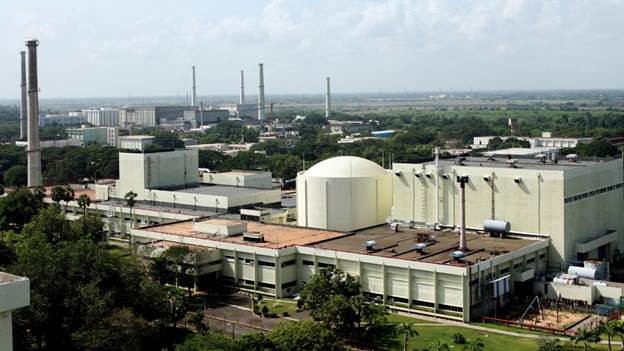
Built upon the unique capabilities of FBTR, India's only operating fast reactor research facility
Demonstrates IGCAR's leadership in advanced reactor technologies and innovative non-electric applications of nuclear energy
Showcases the successful translation of BARC's indigenously developed Copper–Chlorine thermochemical hydrogen production technology
Advances India's three-stage nuclear programme by expanding the role of nuclear energy beyond electricity generation into clean hydrogen production
प्रविष्टि तिथि:
26 JUN 2026 9:14PM by PIB Delhi
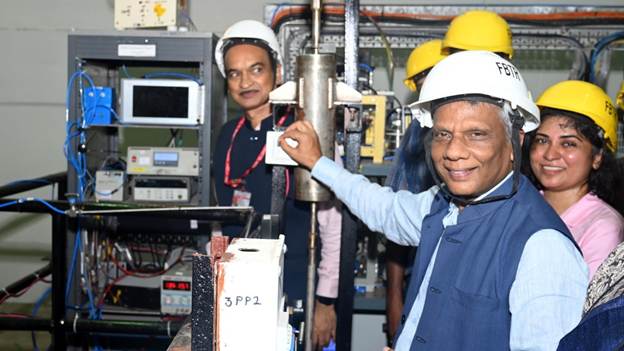
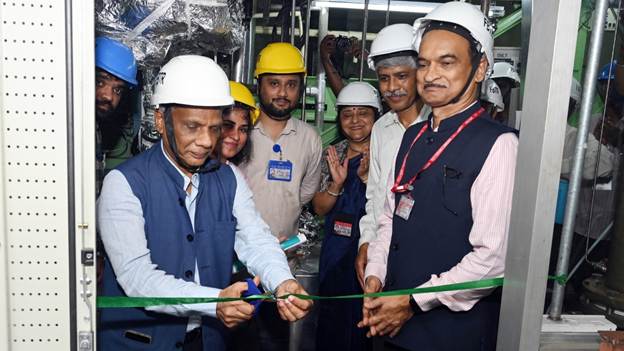
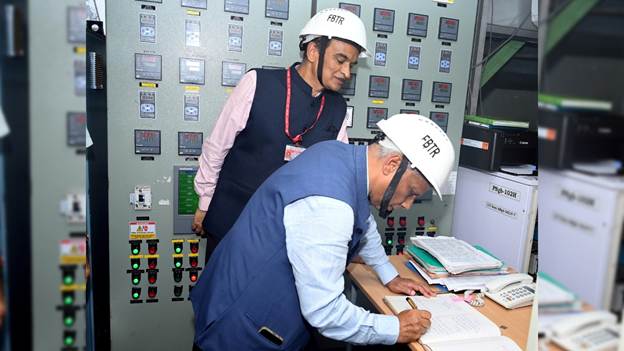
In a landmark achievement for India's clean energy and advanced nuclear technology programme, the Department of Atomic Energy (DAE) today inaugurated the world's first Hydrogen Production Facility based on the Copper–Chlorine (Cu–Cl) Thermochemical Cycle utilizing nuclear process heat generated from the Fast Breeder Test Reactor (FBTR) at the Indira Gandhi Centre for Atomic Research (IGCAR), Kalpakkam. The facility was inaugurated by Dr. Ajit Kumar Mohanty, Secretary, DAE & Chairman, Atomic Energy Commission (AEC), in the presence of Shri Sreekumar G. Pillai, Director, IGCAR.
The facility has been established as a technology demonstrator to validate the production of hydrogen using nuclear energy through the Cu–Cl thermochemical process developed indigenously by Bhabha Atomic Research Centre (BARC), Mumbai. The successful integration of nuclear process heat with hydrogen generation marks a pioneering technological breakthrough and opens a promising pathway for large-scale, carbon-free hydrogen production using advanced nuclear reactors.
Hydrogen is widely regarded as a key energy carrier for the future and is expected to play a pivotal role in the global transition towards clean and sustainable energy systems. Among the various hydrogen production technologies under development worldwide, the Cu–Cl thermochemical cycle is considered one of the most promising due to its relatively lower operating temperatures and higher thermodynamic efficiency. By harnessing nuclear heat from fast reactors, the process significantly reduces dependence on fossil fuels and eliminates greenhouse gas emissions associated with conventional hydrogen production methods.
The commissioning of the facility represents the culmination of extensive research, process development, engineering design, equipment fabrication, installation, testing and commissioning efforts undertaken jointly by BARC and IGCAR. The plant will provide valuable operational experience, facilitate further optimization of the Cu–Cl process and support future research aimed at scaling up nuclear-assisted hydrogen production technologies for commercial deployment.
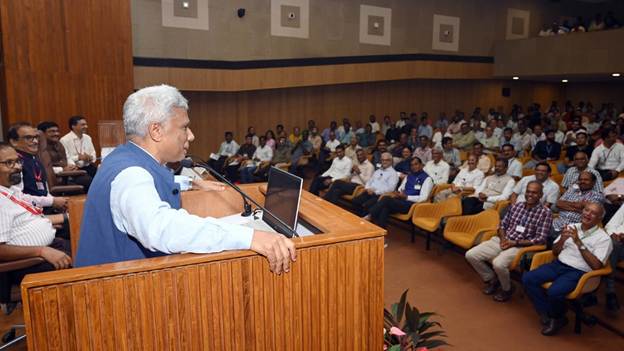
Addressing the gathering, Dr. Ajit Kumar Mohanty said, "The integration of nuclear energy with emerging clean energy technologies such as hydrogen production represents a strategic pathway towards a sustainable energy future. Nuclear power, with its unique ability to provide reliable carbon-free electricity as well as high-temperature process heat, is ideally suited to support large-scale hydrogen production while contributing to India's energy security, decarbonization goals and long-term sustainable development objectives. I congratulate the scientists, engineers and technical teams of BARC and IGCAR whose sustained dedication, innovation and technical excellence have transformed an advanced scientific concept into an operational reality. This achievement is a testament to India's growing capabilities in advanced nuclear technologies and clean energy systems."
IGCAR, one of India's premier nuclear research institutions under the Department of Atomic Energy, has been at the forefront of the country's Fast Breeder Reactor programme since its establishment in 1971. The Centre successfully designed, constructed and operated the Fast Breeder Test Reactor, which has served as an invaluable platform for the development and validation of fuels, materials and sodium technologies for more than four decades. The knowledge and expertise generated through FBTR have laid the technological foundation for India's fast reactor programme and played a pivotal role in the development of the 500 MWe Prototype Fast Breeder Reactor (PFBR), the flagship of the second stage of India's three-stage nuclear power programme.
Shri Sreekumar G. Pillai, Director, IGCAR, said, "This achievement builds upon more than four decades of operational experience and technological excellence gained through the Fast Breeder Test Reactor programme at IGCAR. The successful demonstration of hydrogen production using nuclear process heat showcases the versatility of advanced nuclear systems and underscores IGCAR's commitment to developing innovative technologies that contribute to India's clean energy transition and long-term energy security."
Over the years, IGCAR has established internationally recognised capabilities in reactor physics, thermal hydraulics, advanced materials, sodium technology, fuel cycle research, instrumentation and control systems, remote handling, non-destructive evaluation and high-temperature engineering. Its contributions continue to strengthen India's technological self-reliance and reinforce the nation's position among the global leaders in advanced nuclear technologies.
The inauguration of the facility marks a major step towards realizing the vision of AtmaNirbhar Bharat through the convergence of nuclear energy and clean hydrogen technologies. It demonstrates DAE's continued commitment to indigenous innovation and reinforces India's resolve to build a sustainable, secure and low-carbon energy future for Viksit Bharat.
******
NKR/AK/NM
(रिलीज़ आईडी: 2278309)
आगंतुक पटल : 10207