PIB Backgrounder
The Defence Decade
Enhanced Capability, Greater Capacity, and Stronger Credibility
Posted On:
17 JUN 2026 11:43AM by PIB Delhi
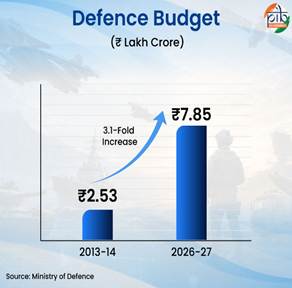
India’s defence sector has transformed radically between 2014 and 2026. This was a decade during which the nation built its capability, capacity, and global credibility. This was done through reforms, higher investments, and a strong push for self-reliance. The Defence budget increased from ₹2.53 lakh crore in 2013–14 to ₹7.85 lakh crore in 2026–27. The indigenous Defence production rose from ₹46,429 crore in 2014–15 to ₹1.78 lakh crore in 2025–26. Defence exports surged from ₹686 crore in 2013–14 to a record ₹38,424 crore in 2025–26, with exports reaching over 80 countries. Reforms such as Defence Acquisition Procedure (DAP) 2020, Positive Indigenisation Lists (2020), and Innovations for Defence Excellence (iDEX) strengthened domestic manufacturing, innovation, and private sector participation. Leveraging the strength of indigenisation and modernisation, defence diplomacy also scaled new heights during this period.
India’s Defence Transformation
Over the past 12 years, India has ushered in a new era of defence capability, driven by bold vision and determined action. Guided by Atmanirbhar Bharat and Make in India, the government has spearheaded sweeping policy reforms, empowered domestic innovation, and built a vibrant defence ecosystem.
Through landmark initiatives such as the Defence Acquisition Procedure (DAP) 2020 and Defence Procurement Manual (DPM) 2025, the government has simplified procedures, boosted indigenous content, and opened doors wide for private sector and MSME participation. DRDO has played a pivotal role by developing cutting-edge defence technologies and partnering closely with industry to transform ideas into battlefield-ready systems.
Defence budgets have grown significantly to support modernisation and indigenous manufacturing. Research and development funding has more than doubled, with greater participation from industry, startups, and academia. Landmark initiatives like SRIJAN DEEP, Positive Indigenisation Lists, and liberalised FDI have opened new opportunities for private sector involvement.
Today, defence exports have risen exponentially, reaching over 80 countries. Through strategic partnerships and indigenous platforms, India is enhancing its combat readiness and emerging as a responsible global defence player.
This decade of focused efforts has laid a strong foundation for a self-reliant and future-ready defence ecosystem contributing to Vision 2047.
Part A: Decade of Defence Capability: Powering Military Strength and Innovation
India has steadily transformed its defence sector through indigenous innovation, technological advancement, and strategic reforms. The country has strengthened military preparedness while expanding domestic manufacturing and research capabilities. This transition is shaping India into a more self-reliant, technologically capable, and globally credible defence power.
India has significantly expanded its defence spending to strengthen military preparedness, modernisation, and indigenous manufacturing capabilities. The overall defence budget has increased from ₹2.53 lakh crore in FY 2013–14 to ₹7.85 lakh crore in FY 2026–27. This reflects the government’s sustained focus on national security and strategic self-reliance. Capital expenditure has also risen sharply from ₹94,587.95 crore in 2014–15 to ₹2.19 lakh crore in 2026–27. Capital expenditure in the defence budget refers to the funds allocated for the long-term acquisition, modernization, and creation of major military assets. It is essentially the investment portion of the budget used to build future military capabilities.
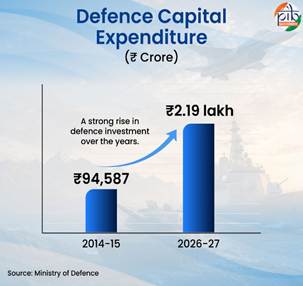
It highlights a strong emphasis on infrastructure development, advanced weapon systems, and technological modernisation. Policy reforms under the Atmanirbhar Bharat initiative, greater private sector participation, and improved ease of doing business have further accelerated defence manufacturing, positioning India as an emerging global defence production and export hub.
Strengthening Defence Capability Through Research, Innovation, and Partnership
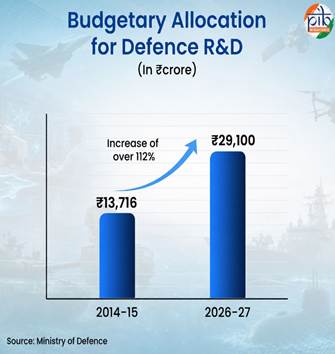
Defence research and development allocation increased from ₹13,716.14 crore in FY 2014–15 to ₹29,100.25 crore in FY 2026–27, marking a rise of over 112%. In 2022-23, the government also opened 25% of the defence R&D budget to industry, start-ups, and academia to promote wider participation in innovation. In 2024, expenditure of Rs 1,757 Cr was made by Department of Defence towards this.
Further, several world-class R&D facilities in DRDO labs have been opened to private industries to foster a transparent defence ecosystem. To facilitate this, the Ministry of Defence (MoD) has formulated necessary Standard Operating Procedures (SOPs) and uploaded the testing infrastructure of 24 DRDO labs on the Defence Testing Portal.
Innovations for Defence Excellence (iDEX)
iDEX has emerged as a key driver of innovation, technology development, and self-reliance in India's defence and aerospace sectors. The initiative actively engages industries, including MSMEs, startups, individual innovators, research institutions, and academia, in developing indigenous defence technologies. To strengthen this ecosystem, DRDO has also opened its advanced testing infrastructure to private industry through the Defence Testing Portal, enabling innovators to access critical testing and validation facilities.
The Scheme for iDEX was approved with a budgetary outlay of ₹498.78 crore for the period 2021–22 to 2025–26. In addition, the ADITI (Acing Development of Innovative Technologies with iDEX) Scheme was approved with an outlay of ₹750 crore for 2023–24 to 2025–26. Both schemes provide financial support through the Defence Innovation Organisation (DIO), helping innovators develop cutting-edge technologies for defence applications. By March 2026, iDEX had engaged 676 startups, MSMEs, and innovators, while 551 design and development contracts had been signed. These achievements reflect the rapid growth and increasing maturity of India's indigenous defence innovation ecosystem.
Development cum Production Partner (DcPP) Model
DcPP model is DRDO’s framework for strengthening collaboration with Indian industry in the development and production of defence technologies. Under this model, DRDO identifies capable manufacturing partners from the public and private sectors through a competitive process and transfers the required technologies for production. Supported by a strong network of over 2,200 industries capable of producing sub-systems, systems, and equipment, the model has significantly expanded indigenous defence manufacturing. By March 2026, 134 companies had partnered with DRDO as DcPPs or Production Agencies, 2,180 technology transfer agreements had been signed, and more than 2,780 Intellectual Property Rights (IPRs) had been opened for use by Indian industry.
Technology Development Fund (TDF)
TDF is a Ministry of Defence initiative executed by DRDO to promote indigenous defence innovation and encourage the participation of public and private industries, particularly startups and MSMEs. The scheme provides grants of up to ₹50 crore to support the development of critical defence technologies. It has delivered notable outcomes, with several technologies successfully developed and two project systems flown in space as part of PSLV missions. To further strengthen India's deep-tech ecosystem, an additional corpus of ₹500 crore has been sanctioned under the scheme, with a focus on cutting-edge and emerging technologies. As of June 2026, 80 projects with a total cost of ₹334 crore were being implemented under the TDF Scheme.
DRDO Industry Academia – Centre of Excellence (DIA-CoE)
DRDO has developed a policy and mechanism for collaborative directed research in developing critical and futuristic technologies for defence and security applications through a network of DRDO Industry Academia – Centre of Excellence (DIA-CoE). A total of 15 DIA-CoEs have been established which are steering translational research activities in nearly 82 identified research verticals. DRDO has set up Industry Interaction Groups (IIGs) in its laboratories to facilitate industries.
Building Human Capability for Technological Self-Reliance
Building technological self-reliance requires sustained investments in talent, research, and institutional capacity. DRDO established five Young Scientists Laboratories (DYSLs) in January 2020, with a sixth laboratory scheduled for 2026. DRDO also streamlined its research network by keeping the number of laboratories to 36. Newly recruited scientists now undergo a two-year M.Tech programme in defence technology at the Defence Institute of Advanced Technology before joining laboratories. The introduction of Project-Based Manpower in high-value projects has further strengthened access to specialised expertise.
India has also expanded skill development and research opportunities across the defence ecosystem. More than 3,500 engineers and technicians join DRDO laboratories annually as paid apprentices. A paid internship scheme now provides engineering students with practical exposure to defence research. Through 15 DRDO Industry-Academia Centres of Excellence, 281 projects worth ₹967 crore are underway across 52 institutions. The DRDO Skill Development Centre at Pilkhuwa, Uttar Pradesh, trains personnel in fire safety technologies and firefighting techniques. Together, these initiatives are creating a strong pipeline of skilled talent for India's future defence capabilities.
Defence Acquisition Reforms to Push for Self-Reliance
The Defence Acquisition Council (DAC), India's apex defence procurement body, has been a key driver of Aatmanirbhar Bharat in defence. Through DAP 2020 reforms, it prioritised indigenous procurement, domestic manufacturing, and higher indigenous content. DAC has accorded Acceptance of Necessity (AoN) for DRDO-designed and Indian industry-manufactured systems worth over ₹6 lakh crore, many of which have been inducted or are under induction. Major approvals include 97 Light Combat Aircraft Tejas Mk-1A fighter jets worth ₹62,000 crore, 156 Light Combat Helicopters (LCH) Prachand valued at about ₹62,700 crore, 26 Rafale Marine aircraft etc.
|
A Decade of Procurement Reforms: Faster, Simpler and More Indigenous
India has undertaken major procurement reforms from 2014 to 2026 to modernize defence acquisitions and strengthen self-reliance. Policy measures have focused on faster decision-making, higher indigenous content, and greater participation of domestic industry.
Defence Procurement Procedure (DPP) 2016
It served as the key framework governing defence acquisitions for the Indian Armed Forces. It aimed to institutionalize, streamline, and simplify procurement processes while promoting the Make in India initiative in the defence sector.
Defence Acquisition Procedure (DAP) 2020
It introduced major reforms to strengthen indigenous manufacturing and simplify capital acquisitions. It increased opportunities for Indian companies and encouraged domestic design, development, and production of defence systems.
Defence Procurement Manual (DPM) 2025
DAM improved transparency and efficiency in revenue procurement. It streamlined procurement procedures worth nearly ₹1 lakh crore through faster approvals, relaxed penalties for indigenous projects, and assured long-term orders.
Defence Acquisition Procedure (DAP) 2026 (Draft)
The draft proposes simpler acquisition categories and stronger support for indigenous design and development. It also recommends higher indigenous content requirements of up to 60% to further strengthen domestic manufacturing capabilities.
|
Over the past decade, India has significantly strengthened its defence capabilities through higher investments, indigenous innovation, and major policy reforms. Increased defence spending, growing industry participation, and a strong focus on research and development have accelerated the journey towards self-reliance. Initiatives such as iDEX, TDF, and DRDO-industry partnerships have created a vibrant defence innovation ecosystem. Combined with key defence acquisitions and procurement reforms, these efforts are building a technologically advanced, future-ready, and globally competitive defence sector.
Part B: Capacity Transformation: A Decade of Scale and Industrial Progress
India’s defence capacity is expanding through sustained policy and industrial reforms. The focus is on scale, resilience, and indigenous capability. A strong domestic ecosystem is replacing import dependence. Defence procurement has accelerated in recent years. A total of 193 defence contracts worth ₹2,09,050 crore were signed in FY 2024–25. In FY 2025–26, these contracts worth ₹1.82 lakh crore were concluded so far. This shift strengthens both production depth and strategic autonomy.
Structural Shift from Buyer to Builder
In 2025-26, India’s defence production stands at ₹1,78,000 crore. The milestone represents a 15.6% growth over the previous fiscal year’s output of Rs 1,54,071 crore. It is a staggering 110% increase since FY 2020-21 when the figure was Rs 84,643 crore. This reflects the government’s strong commitment to modernizing the armed forces and building a robust defence industrial ecosystem.
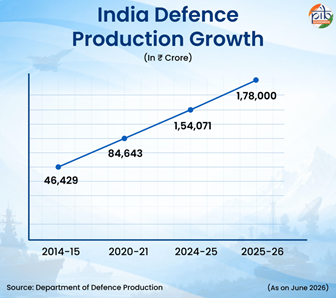
The steady rise also highlights the growing strength of India’s defence industrial ecosystem under the Aatmanirbhar Bharat vision. In the FY 2025-26, Defence Public Sector Undertakings and other PSUs contributed around 76% of total production, while the private sector’s share increased to 24%, indicating greater industry participation.
India’s Defence Export Transformation Over the Decade
India’s Defence exports increased from ₹686 crore in FY 2013–14 to ₹38,424 crore in FY 2025–26. This represents a growth of over 5500% in twelve years. The transformation has been driven by the Make in India initiative and the push for defence self-reliance. India is gradually transitioning from a major importer to a defence manufacturing nation. Nearly 65% of defence equipment is now produced domestically, compared to import dependence of 65–70% earlier.
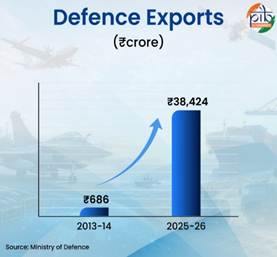
Indian defence products are now exported to over 80 countries worldwide. The defence exporter base has expanded to 145 firms, reflecting wider industrial participation. Rising exports demonstrate increasing global confidence in Indian defence systems and technologies. The government has set a target of ₹50,000 crore in defence exports by 2029, strengthening India’s position as an emerging global defence exporter.
Expansion of Defence Industrial Capacity
India has steadily expanded its defence manufacturing base through a series of policy reforms and increased participation from the private sector. Over the past decade, the country has built a robust indigenous defence ecosystem that today comprises 16 Defence Public Sector Undertakings (DPSUs), around 500 licensed defence companies, and nearly 17,000 Micro, Small and Medium Enterprises (MSMEs). Reflecting the growing industrial capacity and ease of doing business in the sector, the number of defence industrial licences has more than tripled - from 258 in 2015 to 834 as of March 2026. This expanding ecosystem is strengthening domestic production capabilities, fostering innovation, and advancing India's goal of self-reliance in defence manufacturing.
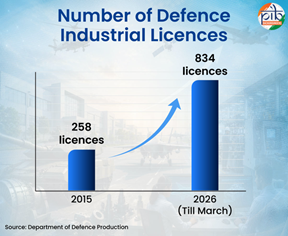
This sharp rise reflects growing investor confidence and expanding private sector participation in defence manufacturing. Public sector enterprises also recorded a 151% increase in exports during this period. The steady rise in domestic capability has strengthened supply chains, technology absorption, and industrial competitiveness across the sector.
|
Did you know
In October 2021, the Government of India dissolved the 200-year-old Ordnance Factory Board (OFB) and reorganised its 41 ordnance factories into seven new Defence Public Sector Undertakings (DPSUs). The reform aimed to improve efficiency, accountability, competitiveness, and technological capability in defence manufacturing. This restructuring strengthened India’s indigenous defence production ecosystem and significantly enhanced the manufacturing capacity of the defence sector under the Aatmanirbhar Bharat vision.
|
Defence Industrial Corridors Driving Regional Manufacturing
Defence Industrial Corridors have emerged as key growth centres for defence manufacturing, strengthening regional supply chains and fostering integrated industrial ecosystems. By April 2026, the Uttar Pradesh Defence Industrial Corridor had attracted investment commitments worth ₹42,057 crore, with grounded investments of ₹4,409 crore, supported by the establishment of the Defence Technology & Test Centre (DTTC) to enhance testing and innovation capabilities. During the same period, the Tamil Nadu Defence Industrial Corridor attracted investments worth ₹32,699 crore, with actual investments reaching ₹6,446 crore. Together, these corridors are accelerating industrial infrastructure development, expanding domestic manufacturing capacity, and generating new employment opportunities.
|
Key Defence Sector Reforms under Aatmanirbhar Bharat
- Ease of Doing Business in Defence Manufacturing: Before 2015, the initial validity of an industrial license was 7 years, which could be extended by up to 3 years. In 2015, the government revised this to 15 years initial validity, with a further extension possible up to 18 years. This change applies to both new and existing licenses. Additionally, under the Arms Act, licenses granted to companies are now valid for the lifetime of the company, provided the company sets up the manufacturing facility and meets other conditions within 7 years, which could be extended by up to 3 years (total 10 years), from the date of approval.
- Revamped Defence Exim portal: The portal enables end-to-end application processing, automated company verification, simplified registration, real-time tracking, and secure payment integration. It enhances transparency, efficiency, and regulatory adherence, while supporting Aatmanirbhar Bharat and Make in India goals, positioning India as a global hub for defence manufacturing and exports.
- Indigenisation through Industries: The Ministry of Defence launched the Srijan Defence Portal in Aug 2020. On this portal, DPSUs and Service Headquarters (SHQs) offer defence items to the industries, including MSMEs and start-ups, for indigenisation. For prioritising indigenisation, the Positive Indigenisation Lists were also introduced by the Ministry of Defence in 2021 under the Aatmanirbhar Bharat initiative. The initiative has strengthened domestic manufacturing, reduced import dependence, and expanded indigenous defence capacity. Till May 2026, five Positive Indigenisation Lists of 5,012 items of DPSUs have been notified. On Srijan Portal, more than 15700 defence items including 3204 items of PILs were indigenised in the last five years. DPSUs have placed domestic orders worth ₹9782 Crore, boosting MSMEs, start-ups, research institutions, and India’s defence manufacturing capacity.
- Srijan DEEP: Department of Defence Production has developed Srijan DEEP (Defence Establishments and Entrepreneurs Platform), a Digital Database of Defence Industries. The portal serves as a comprehensive repository of defence Manufacturers, MSMEs, Services and Technology providers contributing to the defence ecosystem. Every industry/ vendor has been assigned a ‘Unique Reference Number’ (URN) on the portal which will be used for all purposes/ updation/ future reference. This database is accessible to various organisations across the Ministry of Defence and will facilitate in strengthening of supply chain resilience and resource pooling during emergencies. Till May 2026, over 41000 vendors and their 270000 products supplied to Defence PSUs and various defence organisations were uploaded in Srijan DEEP.
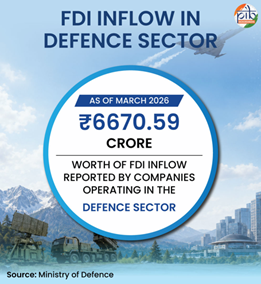
- FDI in Defence Sector: Defence Industry sector was opened up in May 2001 for private sector participation. Foreign Direct Investment (FDI) limit in defence sector was enhanced in 2020 up to 74% through the Automatic Route for companies seeking new defence industrial license, and up to 100% through the Government Route wherever it is likely to result in access to modern technology. As of March 2026, Rs 6670.59 crore worth of FDI inflow has been reported by companies operating in the defence sector. Further, the Government promotes co-development and co-production of niche defence technologies with Foreign Original Equipment Manufacturers (OEMs) to encourage FDI in the defence sector.
|
Part C: From Innovation to Operational Excellence
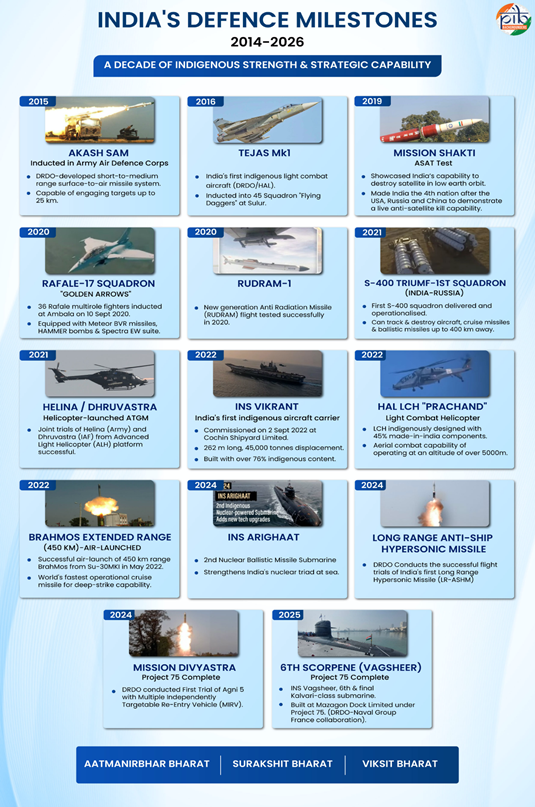
India's defence ecosystem has undergone a significant transformation in the last one decade. This progress is visible across operational achievements, indigenous platforms, advanced infrastructure, and a growing innovation ecosystem. These efforts have strengthened national security while advancing the vision of defence self-reliance.
Operational Readiness for Strategic Impact
- On 27 March 2019, India demonstrated its ability to destroy a satellite in space through Mission Shakti, joining a select group of countries with anti-satellite capabilities.
- On 11 March 2024, India successfully tested a long-range missile capable of carrying multiple warheads to different targets under Mission Divyastra.
- During Operation Sindoor, indigenous systems such as Akash air defence missiles, BrahMos missiles, anti-drone systems, and airborne surveillance platforms supported the Armed Forces.
- On 23 August 2025, DRDO successfully tested an advanced air defence system that combines missile interceptors, short-range air defence weapons, and laser-based technologies to counter aerial threats.
Next-Generation Defence Technologies
- The indigenous Tejas fighter aircraft received final operational clearance in February 2019, and 83 aircraft were approved for induction into the Indian Air Force.
- The Arjun Mk-IA battle tank was inducted into the Indian Army in February 2021.
- In 2022, 75 Artificial Intelligence-based technologies were introduced for defence applications, including surveillance, cybersecurity, logistics, autonomous systems, and battlefield support.
- India made important progress in developing advanced propulsion systems for next-generation long-range missiles.
- On 9 January 2026, DRDO successfully conducted a long-duration ground test of an actively cooled scramjet full-scale combustor for over 12 minutes at the Scramjet Connect Pipe Test (SCPT) facility, marking a significant milestone in hypersonic missile development.
- A new Hypersonic Wind Tunnel was established in Hyderabad to support the development of future high-speed missile technologies.
Building a Young and Future-Ready Armed Force
The Agnipath Scheme was launched on 15 June 2022 to recruit young men and women into the Armed Forces as Agniveers for a four-year service period. The scheme aims to create a youthful, tech-savvy, and combat-ready military force with a modern outlook. Agniveers receive military training, specialised skill development, and educational opportunities through partnerships with institutions such as IGNOU and NIOS. The scheme also provides nationally recognised skill certificates and career pathways after service. Agnipath is enhancing India’s defence capability by building a younger, skilled, disciplined, and technology-oriented force prepared for future warfare challenges.
India's defence transformation reflects a sustained commitment to research, innovation, and strategic capability development. From battlefield-ready systems to future technologies and collaborative innovation networks, the country has built a stronger foundation for long-term security. These achievements are enhancing India's ability to meet evolving challenges with confidence and indigenous strength.
Part D: Credible Power in 12 Years - India's Defence Diplomacy and Commitment
Over the past decade, India’s defence diplomacy has evolved into a key pillar of national security and strategic influence. The country expanded partnerships with major global powers while preserving strategic autonomy. Defence cooperation now extends beyond military exchanges to technology collaboration, industrial partnerships, and joint manufacturing. India also strengthened its role in regional and multilateral security platforms. Through the QUAD, Shanghai Cooperation Organisation (SCO), and ASEAN Defence Ministers’ Meeting-Plus (ADMM-Plus), India advocates maritime security, counter-terrorism, and a rules-based international order. These engagements reflect India’s growing strategic confidence and rising credibility as a responsible security partner in an increasingly complex geopolitical environment.
India and the United States signed key defence agreements over the past decade. These include Logistics Exchange Memorandum of Agreement (LEMOA) in 2016. The two countries also signed Communications Compatibility and Security Agreement (COMCASA) in 2018. The Basic Exchange and Cooperation Agreement (BECA) was signed in 2020. India was designated as a Major Defence Partner by the United States. It also received Strategic Trade Authorization-1 (STA-1) status.

These developments institutionalized the India–US defence partnership. The Initiative on Critical and Emerging Technology (iCET) was launched in 2023. It continued under Transforming the Relationship Utilizing Strategic Technology (TRUST) in 2025. The framework expanded cooperation in Artificial Intelligence, semiconductors, and space technologies. In October 2025, both countries signed a 10-year defence partnership framework in Kuala Lumpur. The agreement strengthened joint exercises, technology collaboration, and Indo-Pacific security cooperation.
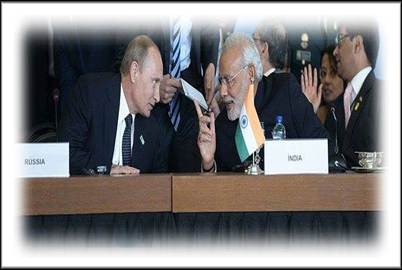
India’s defence partnership with Russia remained strong despite changing global geopolitics. The partnership is anchored in the India-Russia Intergovernmental Commission on Military and Military Technical Cooperation (IRIGC-M&MTC). The 21st and 22nd sessions were held in December 2024 and 2025. Both sides reaffirmed cooperation on S-400 air defence systems. They also supported upgrades of Su-30MKI fighter aircraft. The partnership expanded opportunities for joint defence production under Aatmanirbhar Bharat. Exercise Indra continues as a flagship tri-services military exercise between both countries. India maintained strategic autonomy while strengthening defence cooperation with Russia. The partnership increasingly focuses on co-production and technology collaboration. India also expanded Maintenance, Repair, and Overhaul (MRO) capabilities within the country.
India-European Union (EU)
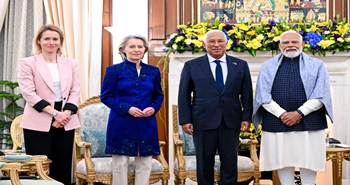
On 27 January 2026, the EU and India signed a Security and Defence Partnership on the margins of the EU–India Summit. Signed by HR/VP Kaja Kallas and External Affairs Minister Dr S. Jaishankar, it establishes a comprehensive framework for cooperation on peace, security and defence - covering maritime security, cyber-defence, counterterrorism, and space.
The partnership institutionalises engagement through an annual India–EU Security and Defence Dialogue and provides for an India–EU Defence Industry Forum for joint development and supply chain resilience.
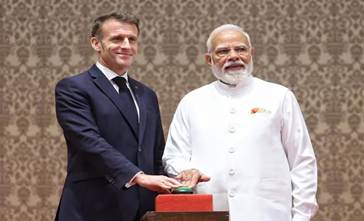
India-France defence ties evolved into one of India’s deepest strategic industrial partnerships. The 2016 Rafale deal strengthened the Indian Air Force’s combat capabilities. All six Kalvari-class Scorpene submarines were delivered under Project 75. Mazagon Dock Shipbuilders Limited (MDL), Mumbai built these submarines with French collaboration. The sixth submarine was commissioned in January 2025. In 2023, the Defence Acquisition Council (DAC) approved 26 Rafale-Marine aircraft. The Dassault-TATA fuselage joint venture expanded aerospace manufacturing cooperation. The Safran-Hindustan Aeronautics Limited (HAL) partnership strengthened engine technology collaboration. These initiatives support the Horizon 2047 Defence Industrial Roadmap and co-production goals.
India and Japan's Special Strategic and Global Partnership has acquired significant defence depth over the past decade. The Acquisition and Cross-Servicing Agreement (ACSA, 2020) enabled mutual logistics and supply support between armed forces. Exercise JIMEX continues to strengthen naval interoperability with latest being held at Yokosuka in 2025. The bilateral meeting between Raksha Mantri and Japan's Defence Minister (May 2025) reaffirmed shared commitment to regional peace.

India-UAE defence ties have moved decisively from transactional engagement to strategic partnership. At the Dubai Air Show (November 2025), India actively promoted joint R&D and co-production opportunities. A Letter of Intent for a bilateral Strategic Defence Partnership was signed during UAE President MbZ's visit to India in January 2026, envisaging cooperation across defence industrial collaboration, special operations, and counter-terrorism.

Elevated to a Comprehensive Strategic Partnership in 2020, India-Australia defence ties have grown rapidly in breadth and institutional depth. The inaugural Australia-India Defence Ministers' Dialogue (Canberra, October 2025) marked five years of the partnership, advancing commitments on maritime domain awareness, military exercises, and defence industry integration.
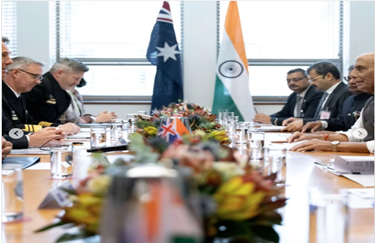
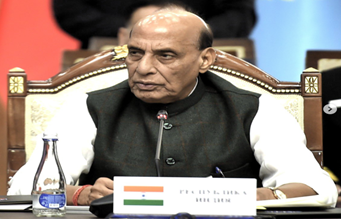
Shanghai Cooperation Organisation (SCO) – Defence Ministers’ Meeting
Since joining the SCO in 2017, India has consistently used the platform to champion counter-terrorism - often asserting positions at odds with Pakistan. Through successive engagements, India has advocated counter-terror financing frameworks. At Qingdao (June 2025), India reiterated zero tolerance for terrorism and called for collective action against Weapon of Mass Destruction (WMD) threats, reinforcing its principled and strategically autonomous SCO posture.
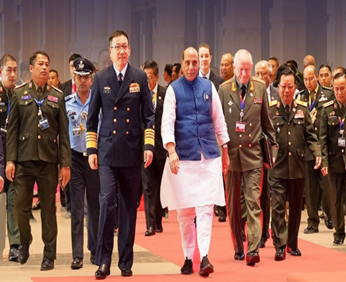
ASEAN / ADMM-Plus - At Kuala Lumpur
India's active engagement in ADMM-Plus reflects its growing defence credibility among ASEAN nations. At Kuala Lumpur (November 2025), India reaffirmed freedom of navigation in the Indo-Pacific, with ASEAN partners recognising its stabilising role. Driven by the Act East Policy, defence ties with Vietnam, Philippines, and Indonesia have deepened through patrol vessel gifting, capacity building, and BrahMos cooperation.
Revived in 2017 and elevated to a Leaders' Summit format in 2021, India has emerged as a central pillar of the Quad. Exercise Malabar - now a four-nation exercise since Australia rejoined in 2020 - reflects growing operational depth. The 2025 Quad-at-Sea Mission marked the first combined Coast Guard exercise among all four partners. At the Quad FM Meeting (July 2025), India's voice shaped outcomes on terrorism, South China Sea stability, and critical minerals.
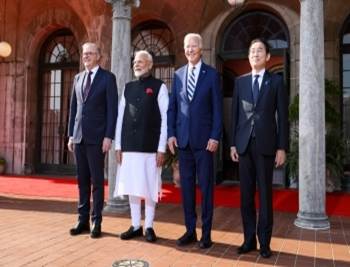
Indo-Pacific partnerships
India's emergence as a credible security actor in the Indo-Pacific is anchored in its SAGAR (Security and Growth for All in the Region) vision, articulated in 2015, and reinforced through the MAHASAGAR doctrine launched in March 2025. Through consistent naval presence, multilateral exercises, and capacity-building partnerships with littoral states, India has positioned itself as a net security provider across the Indian Ocean Region
India’s expanding defence partnerships have strengthened military preparedness, industrial capability, and strategic influence. Bilateral agreements now support co-production, advanced technology access, and stronger operational coordination. Simultaneously, multilateral engagement has enhanced India’s role in shaping regional security and Indo-Pacific stability. The country increasingly balances strategic autonomy with deeper global cooperation. India is now viewed as a credible defence partner, reliable security provider, and emerging defence manufacturing hub. As indigenous capabilities continue to grow, defence diplomacy will remain central to India’s long-term strategic ambitions, technological advancement, and aspiration to become a leading global power by 2047.
India's Defence Decade and the Road to 2047
India’s defence journey over the past twelve years reflects more than military modernisation. It marks the rise of a nation determined to secure its future through indigenous strength. From warships and fighter aircraft to drones, missiles, and advanced electronics, India steadily expanded its strategic capabilities at home. The transformation also reshaped the country’s industrial and technological landscape. Start-ups, MSMEs, private companies, and public sector enterprises became active partners in national security. Defence manufacturing evolved from a limited public-sector domain into a wider innovation ecosystem. India’s global standing also changed during this period. The country emerged as a more confident security partner across the Indo-Pacific and beyond. Its defence diplomacy increasingly combines technology cooperation, maritime security, industrial collaboration, and strategic outreach. As India moves towards 2047, defence preparedness will be driven by innovation, resilience, and self-reliance. The foundation built over the past decade positions India to shape, rather than merely respond to, the evolving global security order.
References
Press Information Bureau
Ministry of Defence
Ministry of External Affairs
Department of Defence Production
Others
The Defence Decade
******
PIB Research
(Release ID: 2273854)
Visitor Counter : 18396