PIB Backgrounder
Power from Waste
Inside Swachh Bharat Mission Waste-to-Energy Story
Posted On:
27 SEP 2026 11:57AM by PIB Delhi
Across India, organic waste is finding a second life as fuel, electricity and valuable manure. Under the Swachh Bharat Mission, launched in October 2014, scientific management of municipal solid waste has remained a core objective. As the Mission evolved, organic waste has been recognised as a valuable resource to produce clean energy. Biogas, produced through the anaerobic decomposition of organic waste, is among the most viable, economical and environmentally friendly cooking fuels available. The by-product slurry is rich in nitrogen and serves as an effective organic fertilizer. It reduces dependence on chemical inputs, lowers costs and helps maintain soil fertility. This delivers a dual benefit from a single initiative.
Waste-to-energy, under Swachh Bharat Mission-Urban 2.0, takes different forms across India, depending on the available waste and community needs. A vegetable market in Hyderabad lights its own streetlights with rotten vegetables. In Prayagraj, a multi-feedstock bio-CNG plant converts different types of organic waste into clean fuel and compost. An educational institution in Gandhinagar cooks for more than 500 people a day without depending on LPG cylinders. A gaushala in Gwalior turns cow dung into compressed biogas. Different feedstocks, different scales, but the same underlying shift. These initiatives showcase how cities and institutions are emerging as frontrunners in the journey towards sustainability. By adopting innovative, circular approaches to waste management, they are reducing environmental impact and unlocking the value of waste as a resource.
Gandhinagar: An Educational Campus Eliminating LPG Dependence
At the Shrimati Manekba Vinay Vihar Educational Complex, near Adalaj in Gandhinagar, Gujarat, the kitchen cooks for more than 500 people every day. Around 250 hostel students receive two meals daily, alongside 15 staff families living on campus. The kitchen, however, has eliminated its dependence on LPG and transitioned to a biogas-based cooking system.
The Vasumati Charitable Trust, which manages the campus, operates two biogas plants with a combined capacity of 90 cubic metres per day. The feedstock includes dung from 222 cows housed in the trust's cowshed. It is supplemented by kitchen waste and agricultural residue from nearby fields. The gas meets the campus's entire cooking-fuel requirement, without which 30 LPG cylinders would have been required every month.
The institution demonstrates how innovative and scientific waste management can drive energy self-reliance and sustainability. The institutional mechanisms such as the Gujarat government’s Institutional Biogas Plant Scheme and Gujarat Energy Development Agency (GEDA) provided the policy and financial support to make this transition.
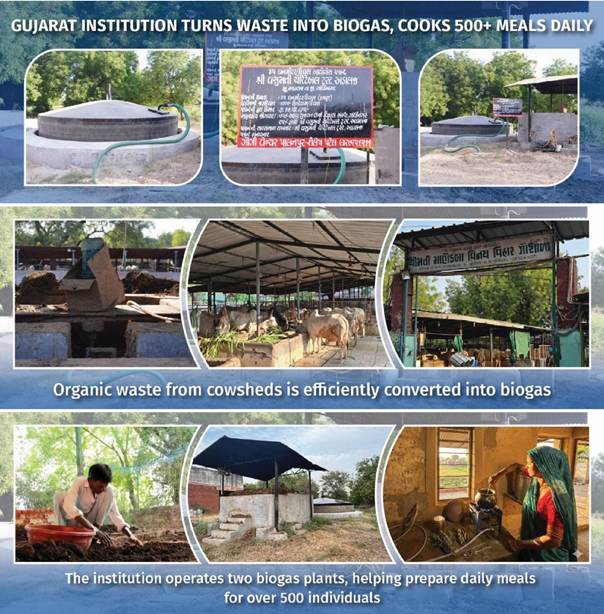
Image 1: Biogas plants at the Shrimati Manekba Vinay Vihar Educational Complex, Adalaj, Gujarat
Gujarat continues to advance alternative energy and sustainable development, reducing pollution and achieving energy self-sufficiency. It also enables the scientific disposal of organic waste from gaushalas and educational institutions alike.
Prayagraj: One Plant, Four Feedstocks
Prayagraj's bio-CNG facility is a waste-to-energy plant designed to process diverse forms of organic waste.
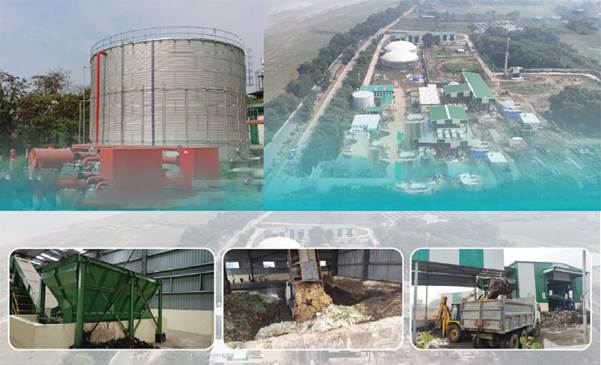
Image 2: Bio-CNG Plant at Prayagraj, Uttar Pradesh
With the launch of the plant, Uttar Pradesh has established a significant milestone in green energy and waste management. The project represents a forward-looking step towards environmental conservation while advancing the mission of turning waste into a valuable resource.
The plant can process 343 tonnes of organic waste a day and produce around 21 tonnes of bio-CNG. Its multi-feedstock model uses wet waste, paddy straw, cattle dung and poultry litter, creating productive uses for agricultural residues while helping address stubble burning.
The facility operates under a public-private partnership model and absorbs bulk organic waste from hotels, restaurants and apartment complexes. Daily wet-waste supply has increased from just 7–8 tonnes initially to around 125 tonnes, strengthening waste utilisation in the city. The bio-CNG produced is sold under the Compressed Bio-Gas (CBG) - City Gas Distribution (CGD) Synchronisation Scheme, reaches users through the fuel cascade route, and currently supports city transport.
The process also produces 28 tonnes of high-quality compost daily, which is made available to local farmers, supporting regenerative farming. Looking ahead, the project is expected to extend clean energy access to around 45,000 households through piped gas and reduce carbon emissions by approximately 57,000 tonnes annually.
Gwalior: A Gaushala That Became a Power Plant
At Adarsh Gaushala in Laltipara, Gwalior’s largest cowshed, more than 10,000 cattle call it home. In October 2024, the gaushala gave its daily dung a new purpose with the inauguration of a 100-tonnes-per-day (TPD) Compressed Bio-Gas (CBG) plant. The facility made Adarsh Gaushala India’s first modern, self-sufficient gaushala built around a state-of-the-art CBG plant.
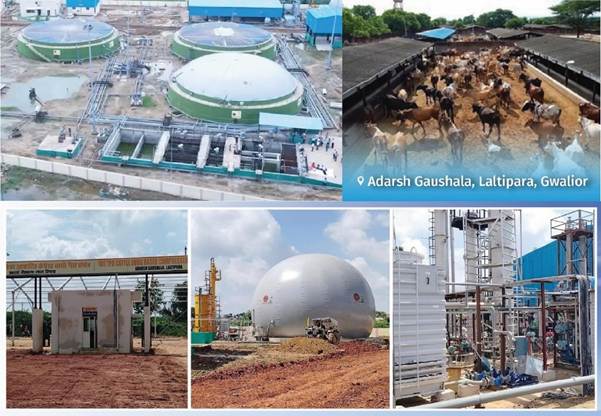
Image 3: Cattle dung-based Compressed Bio-Gas (CBG) plant, Laltipara, Gwalior, Madhya Pradesh
The plant’s design goes beyond cattle dung alone. It is Madhya Pradesh’s first CBG plant built to also process vegetable and fruit waste collected from markets and homes. Spread over 5 acres, the ₹31-crore project was developed in collaboration with Indian Oil Corporation. Every day, it converts 100 tonnes of cattle dung into two tonnes of compressed biogas. It also produces 10–15 tonnes of dry bio-manure daily, providing an affordable input for farmers in nearby districts and encouraging organic farming.
The benefits extend beyond the gaushala. The CBG provides a cleaner, eco-friendly alternative to fossil fuels, while converting dung into energy helps reduce carbon emissions and contributes to climate change mitigation. The project has also created local employment opportunities, promoting skills in green energy and sustainable practices and contributing to the local economy.
The CBG plant is more than an industrial facility. It represents collaboration between society and government and demonstrates how waste can be converted into useful resources.
Bowenpally: What a Vegetable Market Can Power
Among these four stories, the vegetable market story at Bowenpally tells about one of the most innovative waste management systems. At Hyderabad’s Bowenpally Vegetable Market, roughly 10 tons of vegetable and fruit waste are collected every day. This waste previously went to landfills. Since a biogas plant was set up on-site, nearly all the waste collected from the market is put to use. It generates around 400–500 units of electricity and 30 kg of biofuel a day. The electricity generated is used to run the market’s streetlights, stalls, administration building and water-supply network. The biofuel is supplied to the market’s commercial kitchen, helping keep the marketplace clean and pollution-free.
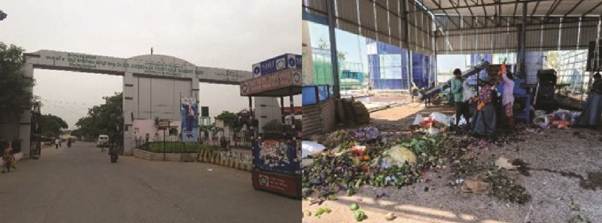
Image 4: Bowenpally Vegetable Market and Bowenpally’s Biogas Plant, Hyderabad
Inside the biogas plant, vegetables are chopped, shredded and ground into slurry. The slurry then feeds into anaerobic digesters, while the resulting gas is stored in balloons until further use. The leftover slurry produces liquid bio-manure, which is used by farmers as fertiliser. Biogas is also collected in a separate tank and sent through a pipeline system for cooking. The biofuel is supplied to a 100% biogas generator, which powers the cold storage rooms, water pumps, shop and streetlights.
The plant has cut the market’s electricity bill by roughly half, from an earlier average of about ₹3 lakh a month. Following its impact, five more such plants at other market yards have been funded. These include Gudimalkapur, Gaddiannaram, Erragadda, Alwal and Saroornagar, with capacities suited to the waste generated at each yard.
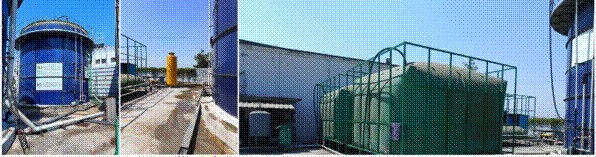
Image 5: Bowenpally’s Biogas Plant
The plant has also created steady work for women in the market. They sort and segregate waste, operate machinery, and handle administrative roles. This plant offers women workers a steady income and skill development.

Image 6: Rukamini Devamma, a woman employee at the Bowenpally vegetable market
Rukmini Devamma’s words on the biogas plant: “Since the biogas plant was set up, we are being paid well for our work. We are also provided with all the necessary safety gear, such as masks, gumboots and gloves. With a safe working environment, we are encouraging others to join us and work with us as well.”
What Ties These Stories Together
Across these four stories, the feedstock changes, but the principle remains the same: waste is no longer the end of the cycle. They demonstrate what happens when waste management is designed around resource recovery. Under the Swachh Bharat Mission, this approach is expanding the role of urban waste infrastructure beyond collection and disposal, towards processing, energy generation and productive use of by-products. Cow dung, kitchen waste, crop residue and discarded vegetables are being converted into fuel, electricity and manure. Multiplied across India's cities, campuses, gaushalas and markets, this approach moves beyond isolated projects. From generating clean energy to promoting organic practices, these efforts highlight a scalable pathway for urban India, where scientific waste management, community participation, and forward-looking policies together pave the way for cleaner, greener, and more self-reliant cities.
Reference
Ministry of Housing and Urban Affairs
Click to see pdf
***
PIB Research
(Release ID: 2315501)
Visitor Counter : 399