Ministry of Social Justice & Empowerment
MoSJE’s National Chintan Shivir in Chandigarh moves from vision to action on Day 2 with focused State–Centre deliberations
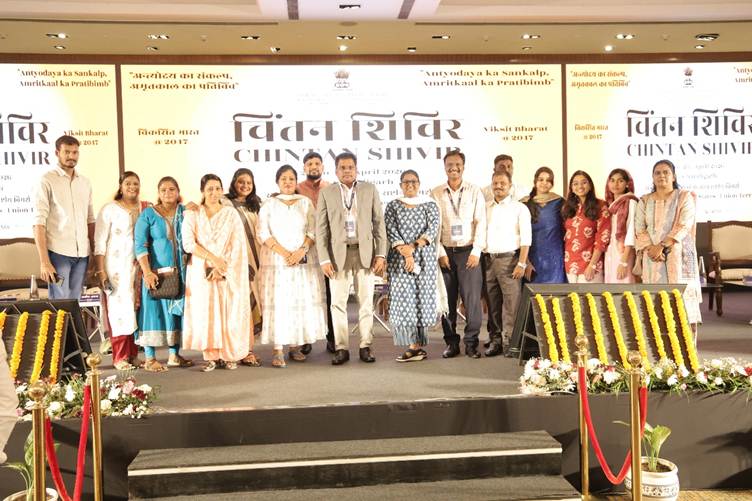
Union Minister Dr. Virendra Kumar joins Day 2 sessions of Chintan Shivir focused on intensive State–Centre deliberations
Union MoS Shri B. L. Verma terms Day 2 deliberations “enriching and grounded in field realities” at National Chintan Shivir
Early morning yoga session led by Minister of State Shri B. L. Verma sets tone for day‑long thematic discussions with States/UTs
Five breakout groups engage on scholarship reform, Nasha Mukt Bharat, dignity in labour, ageing with dignity and early intervention for Divyang children
Thematic discussions focus on community engagement and public–private–people partnerships for inclusive service delivery
Posted On:
25 APR 2026 6:51PM by PIB Delhi
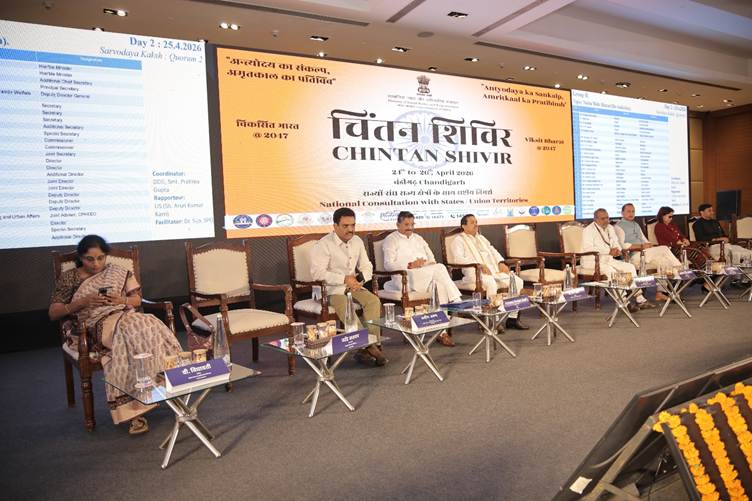
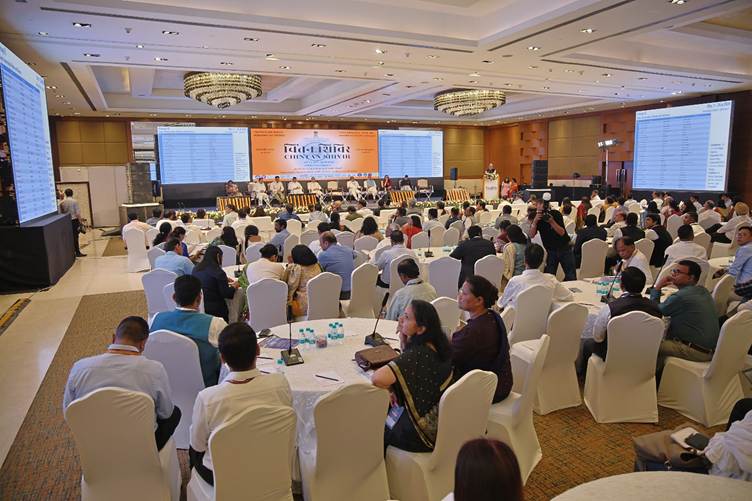
The three‑day National Chintan Shivir on Antyodaya ka Sankalp, Amrit Kaal ka Pratibimb – Viksit Bharat@2047 entered its second day in Chandigarh today with a sharp focus on strengthening community engagement, public–private–people partnerships and last‑mile delivery of social justice schemes in collaboration with States and Union Territories. Building on the inaugural emphasis on inclusive and accountable governance, the deliberations brought together Ministers and senior officials from across the country to work on time‑bound, implementable solutions.
The day began with a joint yoga session in which senior officials of the Ministry of Social Justice and Empowerment (MoSJE), State/UT delegates and other participants took part, with Minister of State for Social Justice and Empowerment Shri B. L. Verma joining the session along with dignitaries. The programme set a wellness‑oriented and participative tone for the day’s proceedings and underscored the Ministry’s commitment to holistic, person‑centred approaches in social justice delivery.
At the thematic breakfast on “Leveraging Community Engagement and Exploring Public–Private–People Partnerships (PPPP) model for Enhanced Social Justice Delivery”, participants discussed how local communities, civil society organisations and private sector institutions can complement government efforts to reach the most marginalised. The exchanges highlighted practical PPPP models that can strengthen work on de‑addiction, senior care, scholarship delivery, support to sanitation workers and rehabilitation of vulnerable groups.
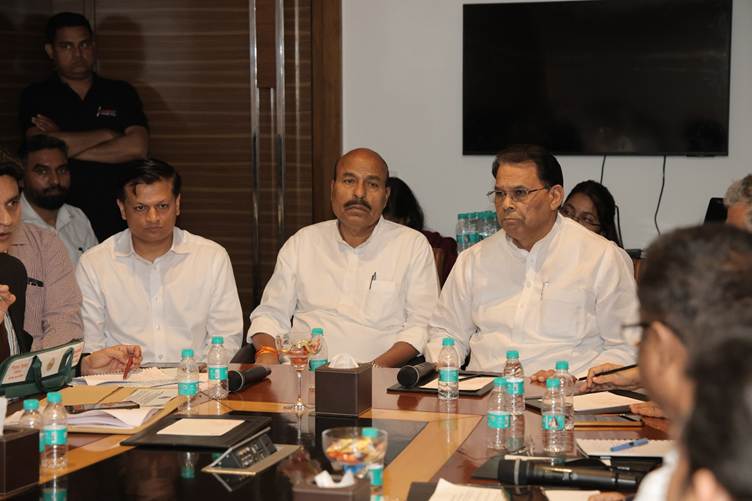
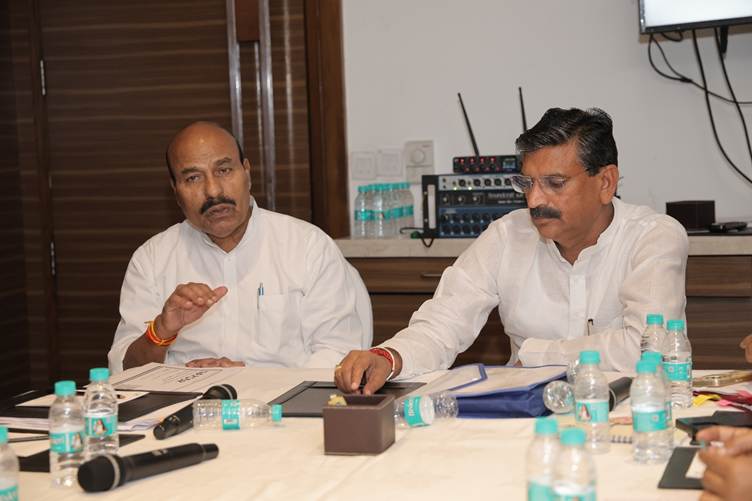
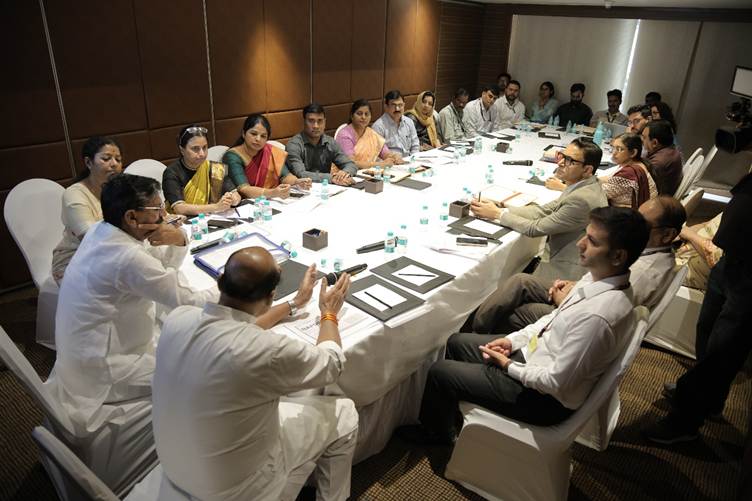
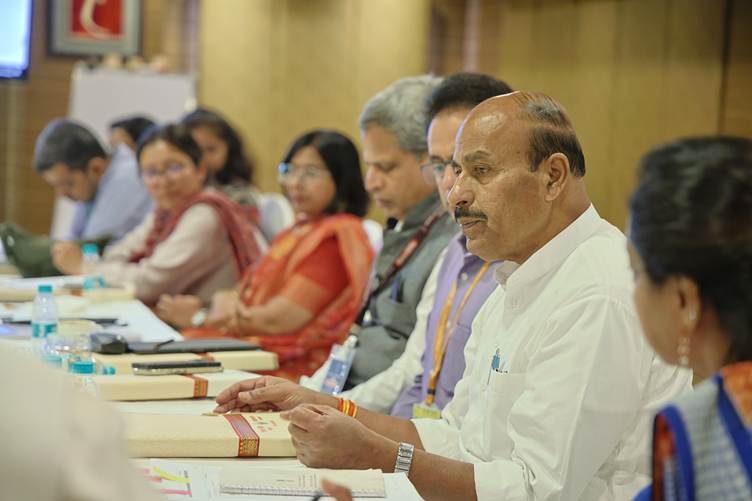
During the Day 2 sessions, Union Minister for Social Justice and Empowerment Dr. Virendra Kumar joined the proceedings and closely followed the thematic discussions with States and Union Territories. Recalling the overall objectives of the Shivir, he reiterated that the vision of Viksit Bharat 2047 in the social sector must rest on the three pillars of dignity, accessibility and continuity for the last person in the queue, and stressed that deliberations with States and UTs are aimed at moving from welfare to empowerment by ensuring that benefits sanctioned on paper translate into uninterrupted, user‑friendly services on the ground for students, senior citizens, persons with disabilities and other disadvantaged groups.
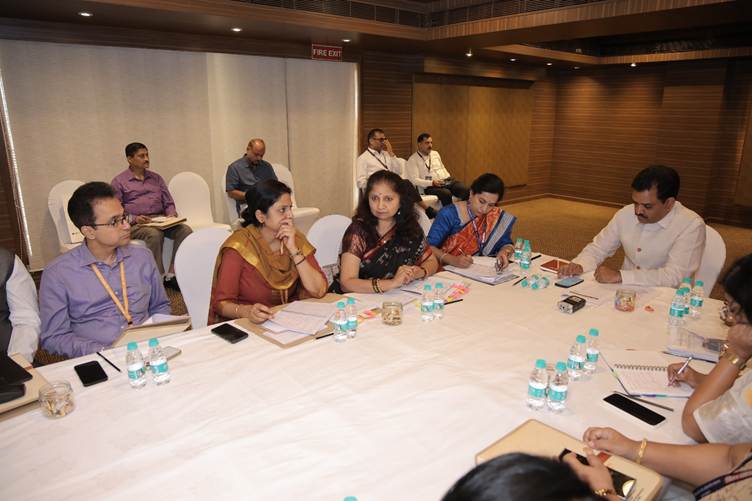
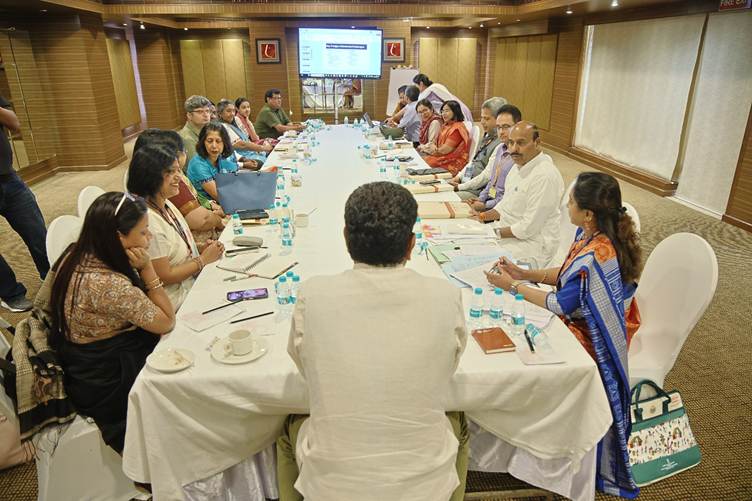
In his outline of the Chintan Shivir process, the Secretary, Shri Sudhansh Pant, DoSJE, noted that ten key themes have been identified—seven from the Department of Social Justice and Empowerment and three from the Department of Empowerment of Persons with Disabilities (DEPwD). Participants have been divided into five theme‑based groups, each guided by a Lead Coordinator and Rapporteur, to work towards concise presentations capturing key policy issues, implementation gaps, best practices and clear action points with timelines, instead of generic discussions.
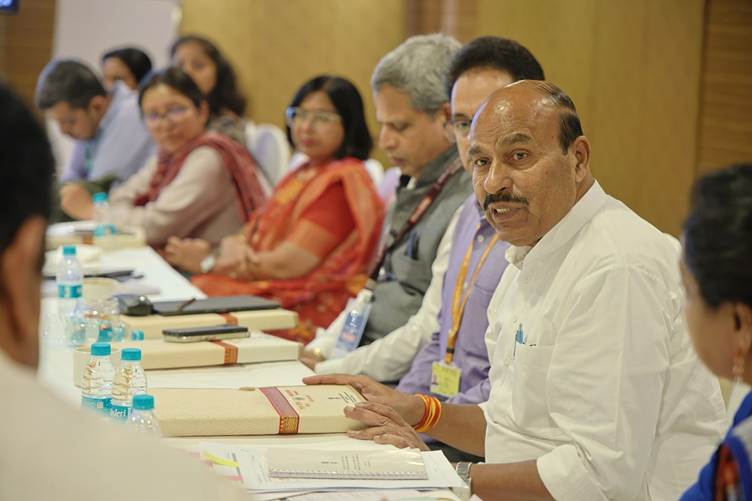
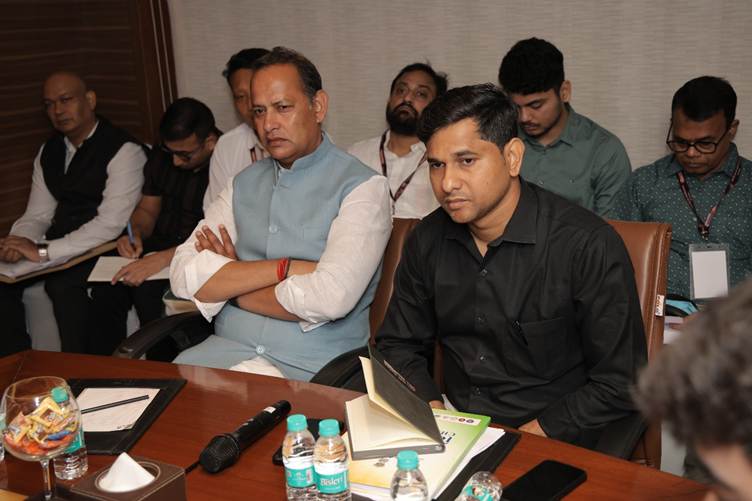
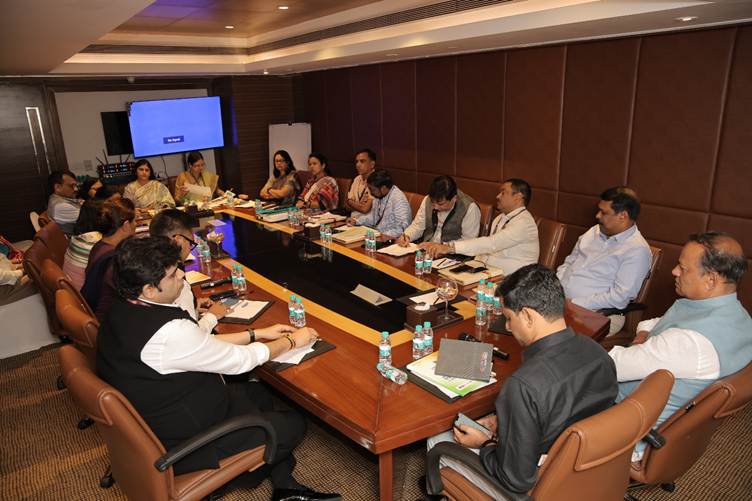
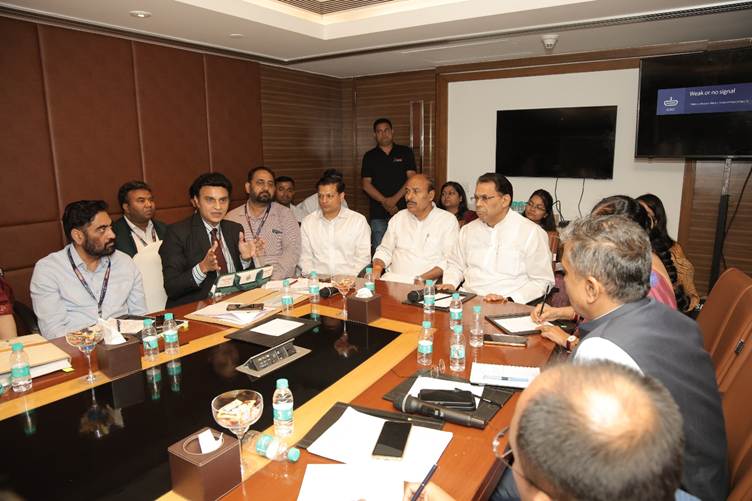
During the breakout session for Day 2, the five thematic groups engaged with their first set of themes under the Viksit Bharat 2047 framework.
Group I discussed “Shiksha se Samridhi: Strengthening Scholarship Delivery and Educational Access”, focusing on timely and seamless scholarship access, consistent implementation across States/UTs, faster verification and disbursement, improved grievance redressal and attention to student well‑being.
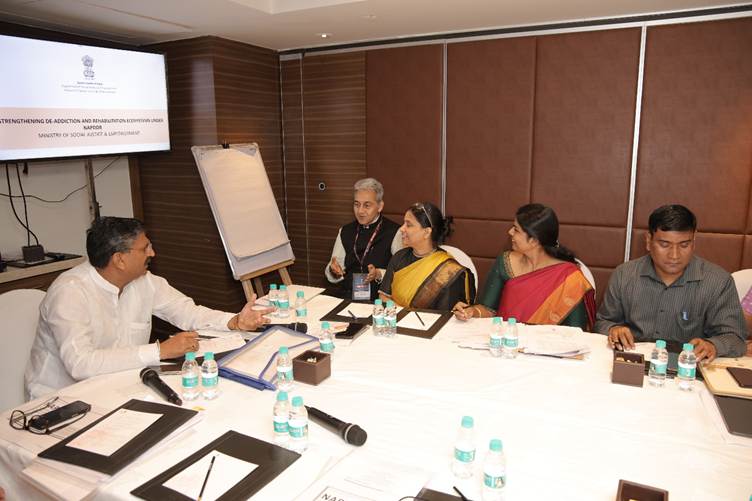
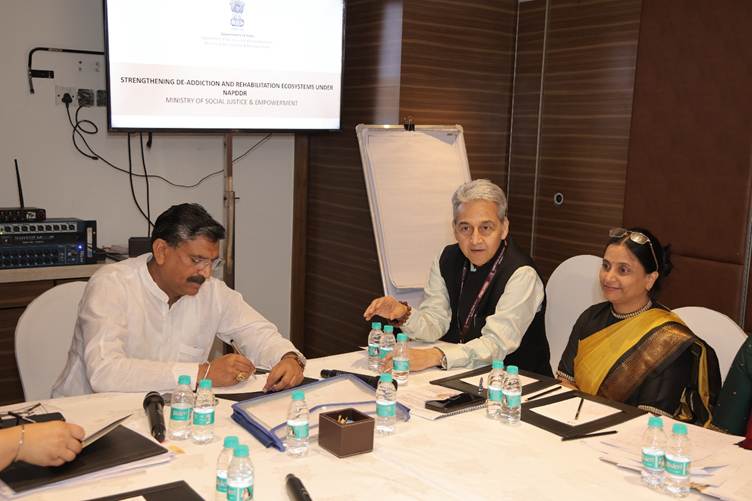
Group II worked on “Nasha Mukt Bharat: Strengthening De‑Addiction and Rehabilitation Ecosystems”, examining expansion of treatment and rehabilitation facilities, digital monitoring, inter‑sectoral coordination and community‑based outreach.
Group III deliberated on “Shram ki Garima: Dignity in Labour”, with emphasis on transition from manhole to machine‑hole systems, Mission Zero sanitation‑related deaths, and ensuring safety, dignity and social security for sanitation workers.
Group IV discussed “Ageing with Dignity: Ageing in place with holistic approach and infrastructure support systems in India”, focusing on elderly care infrastructure, social and financial security, and better utilisation of umbrella schemes and legal frameworks.
Group V addressed “Nanhe Kadam Swavalamban ki Ore: Early Intervention”, with a focus on early identification and intervention for children with disabilities and developmental challenges, and convergence of services at community level.
Across these group discussions, States and Union Territories shared field‑level bottlenecks and showcased replicable innovations such as improved scholarship release systems, integrated de‑addiction monitoring platforms, senior care models, and early intervention strategies. The emphasis remained on drawing up specific, stakeholder‑anchored action points that can be taken forward through Ministry guidelines, digital platforms like SAMAVESH and SETU, and strengthened Centre–State coordination.
A thematic lunch on “Strengthening Last‑Mile Delivery and Implementation Mechanism in the Ministry of Social Justice & Empowerment (MoSJE)” further enabled Ministers and senior officials to reflect on district‑level delivery challenges, simplification of processes and data‑driven monitoring. The discussions reiterated the need for harmonised scholarship systems, streamlined de‑addiction and rehabilitation pathways, and robust monitoring frameworks that clearly specify responsibilities at the Centre, State and district levels.
In his concluding remarks for the day, Minister of State for Social Justice and Empowerment Shri B. L. Verma described the deliberations as “enriching and grounded in field realities” and thanked the participating States and Union Territories for their candid inputs and constructive suggestions. He said that the National Chintan Shivir “is not merely a three‑day event, but a collective Sankalp to strengthen last‑mile delivery so that every scholarship, every support for a senior citizen, every intervention under Nasha Mukt Bharat or for persons with disabilities reaches the intended beneficiary with dignity and without delay”, and expressed confidence that the recommendations emerging from the group work would help the Ministry and States move together from ideas to implementation.
The recommendations emerging from Day 2 deliberations will be refined on the final day, when groups take up their second set of themes related to Antyodaya se Aatmanirbharata, Samaveshan–Pehchan–Ekikaran, Arthik Sashaktikaran, Accessibility and Certification for Persons with Disabilities, thereby contributing to a more just, inclusive and accessible Viksit Bharat by 2047.
***
Siraj
(Release ID: 2255543)
Visitor Counter : 490