Social Welfare
Prioritising Healthcare for a Viksit Bharat 2047
Budget 2026-27 Series
Posted On:
30 MAR 2026 3:43PM
Key Takeaways
- The Union Budget 2026–27 has increased allocation for the Ministry of Health and Family Welfare by 10%, to Rs. 1,06,530.42 crore from the revised estimates of 2025–26.
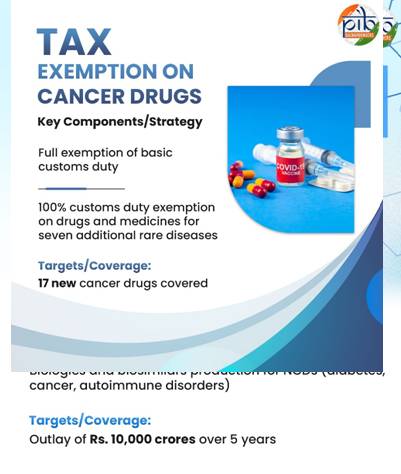
- 100% customs duty exemption on 17 new cancer drugs
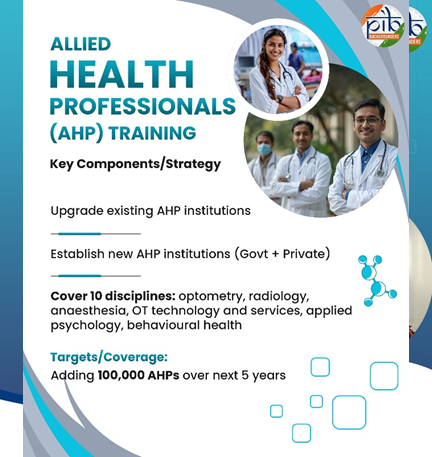
- Union Budget 2026-27 targets training 100,000 allied health professionals and 1.5 lakh caregivers over the next five years
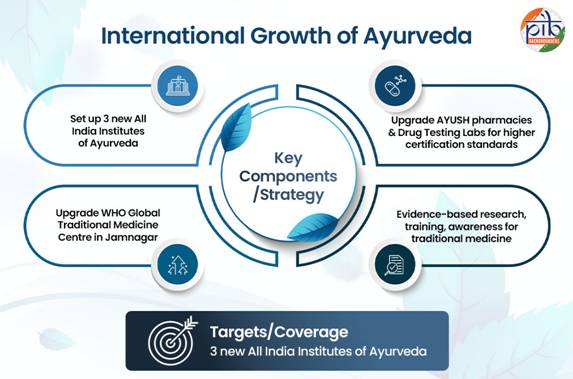
- Budget proposed establishing three new All India Institutes of Ayurveda to meet growing global demand and upgrade the WHO Global Traditional Medicine Centre in Jamnagar.
Introduction
India's healthcare landscape is undergoing a transformative phase. The Union Budget 2026-27, driven by the insights of the Economic Survey 2025-26, has established a comprehensive roadmap for universal health coverage through infrastructure development, preventive care, and digital integration, focusing on youth, underprivileged, and elderly populations. The budget prioritises non-communicable diseases (NCDs) while strengthening traditional medicine, mental health services, and the biopharma sector.
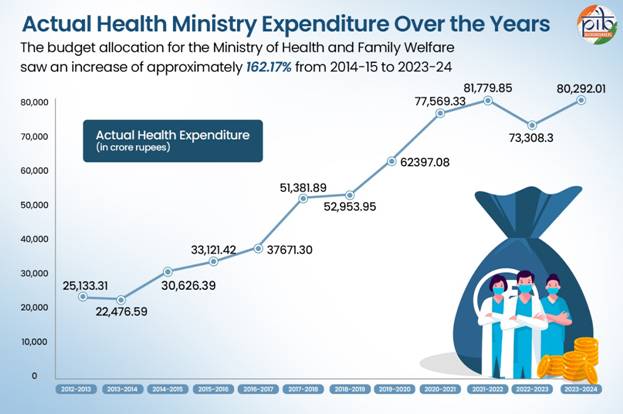
The Ministry of Health and Family Welfare has been allocated Rs. 1,06,530.42 crore—a 10% increase from FY 2025-26 and 194% rise over 12 years. The Department of Health Research has been allocated Rs. 4,821.21 crore. This rising government expenditure demonstrates strong commitment toward universal healthcare and medical research innovation.
Budget 2026-27 Healthcare-Related Announcements
The Ministry of Health and Family Welfare’s budgetary allocation increased from last year’s revised estimates, following the decade-old trend of rising health funding.
Many health initiatives were allocated more funds this year (in crore rupees).
|
Scheme/Program
|
Budget Estimates 2026-27
|
Revised Estimates 2025-26
|
Increase
|
% Increase
|
|
CENTRAL SECTOR SCHEMES
|
|
|
|
|
|
Pradhan Mantri Jan Arogya Yojana (PM-JAY)
|
9,500.00
|
9,000.00
|
500.00
|
5.56%
|
|
National Health Mission (NHM)
|
39,390.00
|
37,100.07
|
2,289.93
|
6.17%
|
|
Pradhan Mantri Swasthya Suraksha Yojana (PMSSY)
|
11,307.00
|
10,900.00
|
407.00
|
3.73%
|
|
National AIDS and STD Control Programme
|
3,477.00
|
2,661.50
|
815.50
|
30.64%
|
|
Blood Transfusion Services
|
275.00
|
200.00
|
75.00
|
37.50%
|
|
Human Resources for Health & Medical Education
|
1,725.00
|
1,630.00
|
95.00
|
5.83%
|
|
Ayushman Bharat Digital Mission
|
350.00
|
324.26
|
25.74
|
7.94%
|
|
PM-Ayushman Bharat Health Infrastructure Mission (PM-ABHIM)
|
4,770.00
|
2,845.00
|
1,925.00
|
67.66%
|
|
NON-SCHEME COMPONENT
|
|
|
|
|
|
AIIMS, New Delhi
|
5,500.92
|
5,238.70
|
262.22
|
5.01%
|
|
Central Government Health Scheme & Pensioners' Benefits
|
8,697.86
|
8,106.96
|
590.90
|
7.29%
|
|
Central Hospitals
|
4,599.66
|
4,206.84
|
392.82
|
9.34%
|
|
PGIMER, Chandigarh
|
2,504.65
|
2,417.86
|
86.79
|
3.59%
|
|
Indian Council of Medical Research (ICMR)
|
4,000.00
|
3,150.50
|
850.00
|
26.98%
|
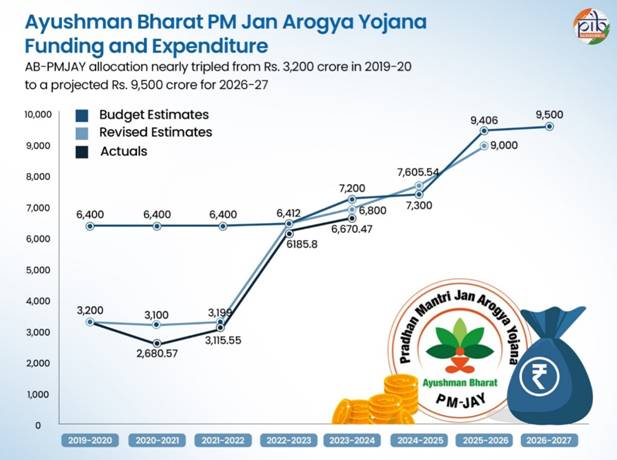
Funding for the Ayushman Bharat Pradhan Mantri-Jan Arogya Yojana (AB-PMJAY), launched in 2018, has been steadily rising. As the world's largest public healthcare scheme, it provides health insurance of up to Rs. 5 lakhs annually per eligible household, making quality healthcare affordable for over 12 crore vulnerable families. Funding for other schemes has also increased over the decade, responding to India's evolving health landscape and demand for stronger healthcare infrastructure.
Budget 2026-27: New Initiatives
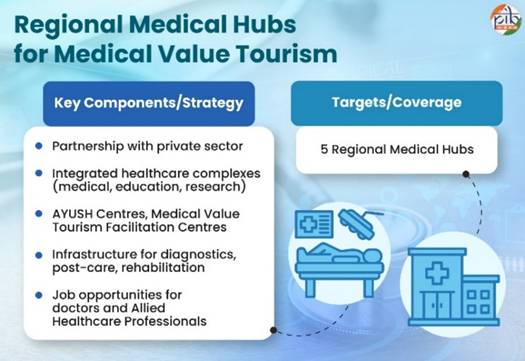
New initiatives and schemes announced in the Union Budget 2026-27 focus on India’s healthcare challenges while aiming to train a greater number of healthcare professionals.
Rise of Non-Communicable Diseases
The recently released Economic Survey 2025-26 highlights a critical shift in India’s health landscape. While the nation has achieved significant progress in tackling maternal and child health and increasing life expectancy from 49.7 years in 1973 to 70.3 years in 2023, it now faces a rising health challenge: Non-communicable diseases (NCDs) such as cardiovascular diseases, diabetes, obesity and cancers. NCDs accounted for 57% of deaths in the country in 2021-23.
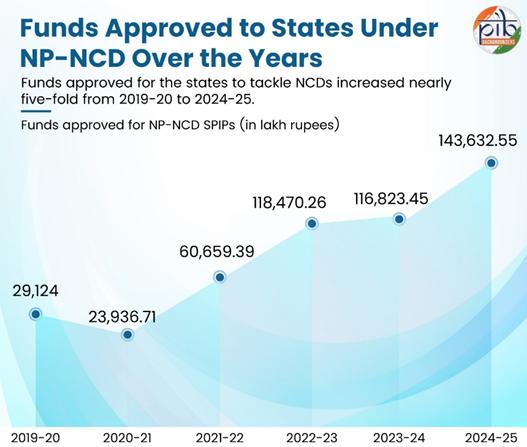
The Government of India runs the National Programme for Prevention and Control of Non-Communicable Diseases to systematically identify high-risk individuals and link them to appropriate care and treatment.
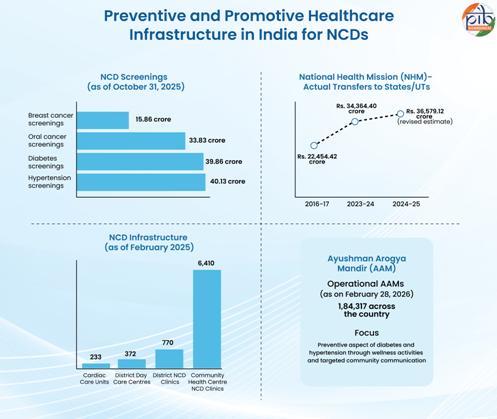
Over the years, the funds approved for State Programme Implementation Plans have increased:
AYUSH and Traditional Medicine: From Civilisational Knowledge to a Global Health System
Global Recognition and Strategic Context
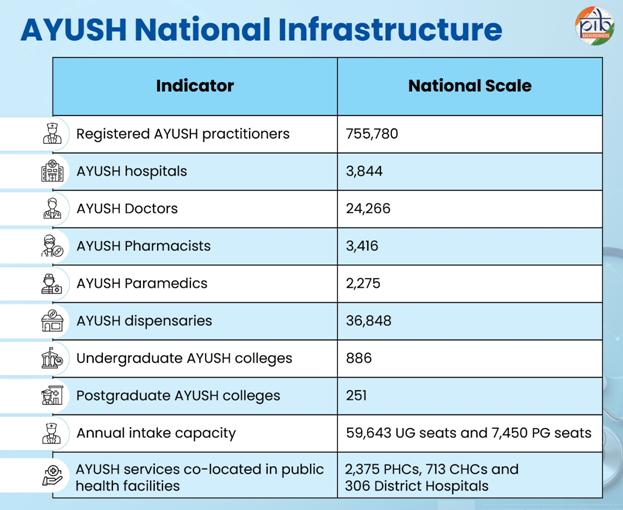
India's traditional knowledge systems have evolved into globally recognised health frameworks. Post-COVID, demand for preventive care has driven wider acceptance of the already popular Ayurveda and AYUSH systems. The Union Budget 2026-27 positions AYUSH as a contemporary health, wellness, and economic opportunity, benefiting farmers cultivating medicinal plants and youth in processing, thereby advancing public health, rural incomes, and India's global soft power.
Budget 2026–27: Building the Future of AYUSH and Traditional Medicine
The Union Budget 2026-27 marks a decisive transition for AYUSH from expansion to consolidation, quality enhancement, and global leadership, transforming it from practice-based systems into scientifically validated global health disciplines. The strategic initiatives aim to strengthen education, clinical training, and research capacity for both domestic healthcare delivery and international engagement, while raising regulatory standards and certification ecosystems to position Indian AYUSH products in global markets that demand scientifically validated solutions. By deciding to upgrade the WHO Global Traditional Medicine Centre at Jamnagar, India positions itself as a global hub for evidence-based research, training, and international awareness, anchoring traditional systems within global research and knowledge frameworks. The integration of AYUSH Centres into Regional Medical Hubs embeds traditional medicine into India's medical value tourism offerings alongside modern diagnostics, treatment, and rehabilitation services. This will ultimately lead to AYUSH evolving to meet rising global demands through scientific validation, quality assurance, and seamless integration with modern healthcare delivery systems.
Conclusion
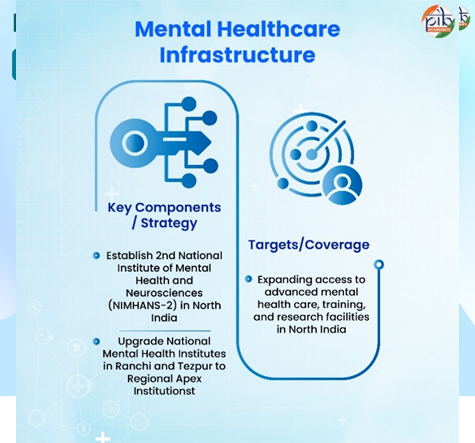
The Union Budget 2026–27 has accorded significant priority to the health sector, with a substantial increase in allocations for the Ministry of Health and Family Welfare, reflecting the Government’s continued commitment to strengthening India’s healthcare system and ensuring universal access to quality medical services. Key commitments include expanded allied health workforce, addressing immediate clinical needs and long-term economic goals. Initiatives span global AYUSH integration, NIMHANS-2 establishment in North India, and investments in infrastructure, nutrition, and emergency care. All this ensures India's demographic dividend is supported by a healthy, skilled, and resilient population, thereby positioning healthcare as a fundamental pillar for Viksit Bharat by 2047.
References
Click here to see PDF
*******
PIB Research
(Explainer ID: 157968)
आगंतुक पटल : 2688
Provide suggestions / comments