Social Welfare
India’s Traditional Medicine Systems
Building Quality, Access and Global Confidence
Posted On:
16 DEC 2025 12:46PM
|
Key Takeaways
|
- India will host the 2ndWHO Global Summit on Traditional Medicine in New Delhi from 17–19 December 2025,
- The theme of the summit is “Restoring Balance for People and Planet: The Science and Practice of Well-Being.”
- The Summit will also see the launch of the WHO Traditional Medicine Global Library (TMGL). This is the world’s most comprehensive digital repository on traditional, complementary and integrative medicine with over 1.5 million records.
- There are 3,844 AYUSH hospitals, 36,848 dispensaries, 886 undergraduate and 251 postgraduate colleges, and more than 7.5 lakh registered practitioners in India
|
Traditional Medicine: Legacy & Present Relevance
Traditional medicine is one of the world's oldest holistic healing traditions. According to WHO, traditional, complementary and integrative medicine is used in 170 of its 194 Member States. While countries like India, China and Japan have long established systems of traditional medicines, they are also widespread in Africa and the Americas with many countries recognizing and integrating them into their health systems.
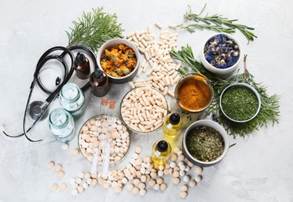
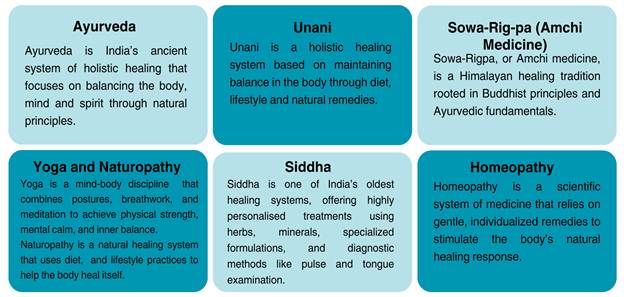
In India, traditional medicine systems like Ayurveda, Siddha and Unani, hold profound cultural, health, and economic importance and have been deeply embedded in daily life for years. They offer holistic, preventive and person-centred approaches to well-being. Under the Ministry of AYUSH, systems such as Ayurveda, Yoga & Naturopathy, Unani, Siddha, Sowa-Rigpa and Homoeopathy are formally recognised within India’s public-health framework and continue to be widely practised through national institutions, service networks and community traditions.
WHO Global Summit on Traditional Medicine
The World Health Organisation (WHO) acknowledges traditional, complementary and integrative medicine as a significant source of primary health care, valued for its cultural relevance, accessibility and personalised nature. With rising interest in scientifically validated traditional practices, the WHO and regional health bodies increasingly view these systems as contributors to health equity, particularly in contexts where affordability and cultural familiarity shape healthcare choices. The World Health Organization (WHO) organizes Traditional Medicine Global Summits to promote the evidence-based integration of traditional, complementary, and integrative medicine (TCIM) into global health systems. The summits convene leaders, scientists, practitioners, and communities to build political commitment and share best practices on TCIM research, safety, quality control, and biodiversity conservation. The objectives are to:
- Strengthen the evidence base through research, innovation, and culturally appropriate studies.
- Support provision of safe, quality TCIM via robust regulatory mechanisms, standards, training, and ethical practices for practitioners and products.
- Integrate TCIM into national health systems, particularly primary care, using standardized documentation and models for people-centered care.
- Promote cross-sector partnerships, protect traditional knowledge, ensure biodiversity conservation, and respect Indigenous rights through coordinated efforts.
India’s longstanding expertise and institutional capacity in traditional medicine place it at the forefront of these global discussions. The first summit was held in Gujarat in 2023 in which methodologies for global research agendas were explored. WHO has also come out with its WHO Traditional Medicine Strategy 2025-2034. The second, summit is to be held in New Delhi from December 17-19, 2025, in New Delhi. The Summit will offer a platform for India to present its evidence-oriented, system-wide approach to traditional medicine and to advance global collaboration on science, quality and equitable access.
Institutional & Policy Ecosystem Under AYUSH
The Ministry of AYUSH anchors India’s traditional medicine sector through a comprehensive institutional framework. It regulates education, research, drug quality and service delivery across AYUSH services. Its policy design emphasises scientific standards, system strengthening and integration of AYUSH into national healthcare delivery.
Integration of AYUSH into Public Health Infrastructure
A major policy is the integration of AYUSH services into public health facilities to ensure that citizens can access AYUSH care at the same points where they receive allopathic services.
- AYUSH services are now co-located across Primary Health Centres (PHCs), Community Health Centres (CHCs) and District Hospitals (DHs) under the National Ayush Mission
- Major government hospitals have also established Integrated Ayush Departments, and signalled a shift toward institutionalising integrative medicine.
|
Indicator
|
Number (As on 2024)
|
|
AYUSH Hospitals
|
3,844
|
|
AYUSH Dispensaries
|
36,848
|
|
Registered AYUSH Practitioners
|
755,780+
|
|
AYUSH Undergraduate Colleges
|
886
|
|
AYUSH Postgraduate Colleges
|
251
|
|
Annual Intake – UG
|
59,643 seats
|
|
Annual Intake – PG
|
7,450 seats
|
|
Co-located Facilities under NAM - PHCs
|
2,375
|
|
Co-located Facilities under NAM - CHCs
|
713
|
|
District Hospitals
|
306
|
Regulation, Research and Quality Standards
AYUSH’s regulatory ecosystem focuses on strengthening pharmacovigilance, research, drug-standards and education across systems.
- Research councils under AYUSH conduct clinical and observational studies, update pharmacopoeial standards and support public-health research.
- Focus is on promoting evidence-based practice, drug-quality assurance, safety protocols and scientific integration with national health-system.
- Under National AYUSH Mission, hospitals and dispensaries have been upgraded, essential drugs supplied annually, and AYUSH teaching institutions strengthened.
Schemes / Initiatives for Mainstreaming & Quality Control
The Ministry of AYUSH has launched a range of targeted schemes to strengthen the quality, credibility and reach of traditional medicine systems. These initiatives support research, regulation, infrastructure development, capacity building and integration of AYUSH services within the public-health system.
National AYUSH Mission (NAM)
The National AYUSH Mission (NAM), launched in 2014, is the Ministry’s flagship Centrally Sponsored Scheme aimed at strengthening AYUSH service delivery across the country. The Mission works with States and UTs to expand infrastructure, upgrade facilities and integrate AYUSH services within the public health system. NAM places special emphasis on co-locating AYUSH units at Primary Health Centres, Community Health Centres and District Hospitals, thereby ensuring wider access to traditional medicine.
Ayurgyan
Ayurgyan is a Central Sector Scheme designed to strengthen research, innovation and capacity building in AYUSH systems. It addresses two core pillars: developing the research ecosystem and upgrading professional competency through Continuing Medical Education (CME).
Under this scheme, institutions and researchers receive support for extramural studies in areas such as clinical validation, pharmacological profiling, medicinal-plant research, drug standardisation and novel formulations.
The CME component enables AYUSH practitioners, teachers and paramedical staff to update their knowledge through workshops, digital training platforms and structured learning modules — creating a more skilled and evidence-aware workforce.
Ayurswasthya Yojana
Ayurswasthya is a public-health oriented scheme. It aims at promoting community-level wellness interventions and strengthening centres of excellence in AYUSH.
It has two major components:
- AYUSH & Public Health Interventions (PHI): Provides AYUSH-based preventive and promotive health programmes at the community level; generates evidence for AYUSH’s contribution to public health outcomes.
- Centre of Excellence (CoE): Provides financial assistance to Centres of Excellence; Supports CoEs for upgrading infrastructure, introducing advanced clinical services and expanding research capacity.
AYUSH Oushadhi Gunvatta evum Uttapadan Samvardhan Yojana (AOGUSY)
AOGUSY addresses quality, standardisation and regulatory oversight of Ayurveda, Siddha, Unani and Homeopathy (ASU&H) drugs. As a Central Sector Scheme, it aims to strengthen the entire AYUSH drug manufacturing ecosystem through improved standards, laboratory support and regulatory capacity.
The scheme supports:
- Upgradation of drug-testing laboratories
- Assistance for manufacturing units to meet quality-control benchmarks
- Strengthening pharmacovigilance and safety monitoring
- Adoption of standard operating procedures and certification frameworks
Conservation, Development & Sustainable Management of Medicinal Plants
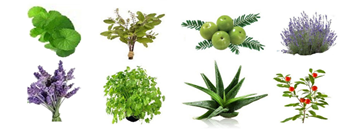
This scheme provides structured support for conservation, cultivation and sustainable management of medicinal plants species across States and UTs.
Its interventions include:
- Establishment of conservation and resource augmentation areas
- Supporting farmers to cultivate medicinal plants
- Strengthening nurseries and regional centres
- Improving supply-chain mechanisms for raw materials
Other Key Schemes and Initiatives
- Information, Education & Communication (IEC): Enhances public awareness of AYUSH through national campaigns, fairs, digital outreach and evidence-based communication
- International Cooperation (IC): Supports India’s global engagement in traditional medicine through international conferences, bilateral collaborations, expert deployments and capacity-building partnerships, strengthening India’s presence in the global AYUSH dialogue.
• Medical Value Travel (MVT): Promotes India as a destination for AYUSH-based wellness and healing by supporting branding, accredited wellness centres, treatment packages and collaboration with tourism and health sectors.
• Digitisation & Knowledge Preservation: Advances the Ministry’s digital ecosystem through the Ayush Grid, research and service portals, and the Traditional Knowledge Digital Library (TKDL). This ensures preservation, structured documentation and protection of India’s indigenous medical heritage.
India at the 2ndWHO Global Summit on Traditional Medicine
India will host the 2nd WHO Global Summit on Traditional Medicine from 17–19 December, 2025 in New Delhi. The Summit will bring together global policymakers, researchers, regulators, industry, and traditional-medicine experts to advance evidence-based, safe and equitable traditional-medicine practices worldwide.
|
170+
Expert Speakers
|
25+
Sessions
|
21
Selected Innovations
|
6+
WHO and Biocultural Regions
|
100+
Countries Represented
|
The theme - “Restoring Balance: The Science and Practice of Health and Well-being”- positions traditional medicine within the broader global health agenda of resilience, equity and sustainability.
The programme spans three days, with structured engagements across plenaries, ministerial dialogues, technical sessions and thematic parallel tracks.
|
Day 1
|
Day 2
|
Day 3
|
|
Will open with the Ministerial Segment and Ministerial Roundtable, followed by the inaugural Plenary on “Restoring Balance”, and sessions exploring traditional-medicine knowledge systems and their role in planetary and human health.
|
Focuses on strengthening the scientific foundation of traditional medicine, including research methodologies, evidence generation, innovation-to-investment pathways, and sessions on the science of well-being and meditation.
|
Dedicated to global standards, data systems, responsible AI, digital innovation, and the pathway from ancestral knowledge to accountable implementation, concluding with a high-level closing ceremony.
|
Alignment with Traditional Medicine Strategy 2025–2034
The WHO’s Global Traditional Medicine Strategy 2025–2034 lays out a comprehensive framework to shape the future of traditional, complementary and integrative medicine (TCIM). The aim is to ensure that all people have universal access to safe, effective and people-centric TCIM.
At its core, the Strategy advances four objectives
- Strengthening the evidence base for traditional medicine through high-quality research, digital innovations, and appropriate methodologies.
- Establishing robust regulatory frameworks for TCIM products, practitioners and practices, supported by global standards such as the WHO International Herbal Pharmacopoeia.
- Integrating TCIM into health systems, especially at the primary healthcare level, through national policies, inter-professional collaboration and standardised documentation.
- Optimising cross-sectoral value, highlighting the role of TCIM in biodiversity conservation, One Health, cultural preservation, and advancing Sustainable Development Goal 3.8 on universal health coverage by improving access to quality, affordable and culturally appropriate health services.
The Strategy’s direction strongly mirrors India’s national priorities—scientific validation, safety, digitisation, sustainable use of medicinal resources, and the protection of traditional medical knowledge. India’s AYUSH ecosystem, academic and research infrastructure, and WHO-linked institutions such as the WHO Global Traditional Medicine Centre (GTMC), Jamnagar, position the country as one of the key contributors to this decade-long global framework.
Launching at the 2ndWHO Global Summit
The Traditional Medicine Global Library (TMGL)
As part of the 2nd WHO Global Summit on Traditional Medicine, WHO will launch the Traditional Medicine Global Library (TMGL), the world’s largest digital repository on traditional, complementary and integrative medicine. Bringing together over 1.5 million records, TMGL will serve as a global knowledge resource with evidence maps, research, policies and regulatory information from across WHO’s Member States.
Key highlights:
- A global portal featuring regional and country-specific pages for broad, equitable access
- Integration with Research4Life to support low-and middle-income countries
- Tools for evidence mapping, research gap analysis, policymaking and quality standards
The launch of TMGL in India underscores the country’s leadership in advancing evidence-based traditional medicine and strengthening global scientific and policy frameworks.
Other launches:
|
Global Research Priorities Roadmap
|
WHO Bulletin Special Issue on Traditional Medicine
|
Health Heritage Innovations (H2I)
|
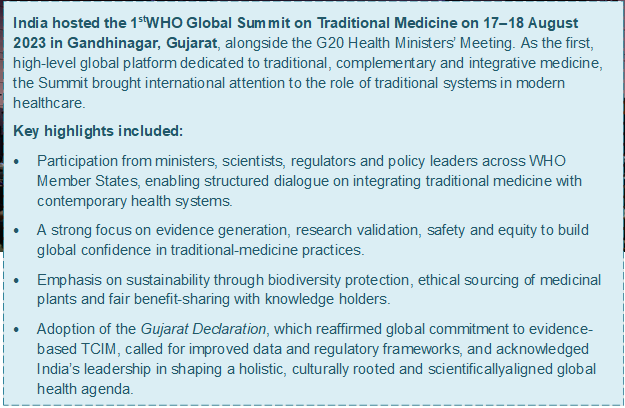
India hosted the 1stWHO Global Summit on Traditional Medicine on 17–18 August 2023 in Gandhinagar, Gujarat, alongside the G20 Health Ministers’ Meeting. As the first, high-level global platform dedicated to traditional, complementary and integrative medicine, the Summit brought international attention to the role of traditional systems in modern healthcare.
Key highlights included:
- Participation from ministers, scientists, regulators and policy leaders across WHO Member States, enabling structured dialogue on integrating traditional medicine with contemporary health systems.
- A strong focus on evidence generation, research validation, safety and equity to build global confidence in traditional-medicine practices.
- Emphasis on sustainability through biodiversity protection, ethical sourcing of medicinal plants and fair benefit-sharing with knowledge holders.
- Adoption of the Gujarat Declaration, which reaffirmed global commitment to evidence-based TCIM, called for improved data and regulatory frameworks, and acknowledged India’s leadership in shaping a holistic, culturally rooted and scientificallyaligned global health agenda.
|
1stWHO Global Summit on Traditional Medicine
Way Forward & Global Outlook
As traditional medicine reclaims its place in global health discourse, India stands at the forefront of this transformation. Rich wealth of traditional knowledge, powered with modern regulation, digital systems, and scientific rigour marks India out as a world leader in this area. The upcoming summit further underscores India’s strength in shaping international discourse aimed at strengthening standards, and establishing frameworks for evidence-based traditional healthcare. This is also in alignment with the vision of Viksit Bharat@2047.
India is helping steer traditional medicine towards a future where ancient knowledge and contemporary science work together to advance human well-being. In doing so, the country is not only strengthening its own health-care landscape, but also emerging as a leading voice in shaping a more holistic, inclusive, and culturally grounded global health architecture.
References:
Ministry of Ayush
https://ayush.gov.in/index.html#!/services
https://ayush.gov.in/resources/pdf/PressRelease/World_Health_Summit_Regional_Meeting_2025_to_Spotlight_Traditional_Medicine_as_a_Key_Driver_of_Global_Health_Equity.pdf
https://ayush.gov.in/resources/pdf/annualReport/DecadeAyushReport.pdf
https://www.pib.gov.in/PressReleseDetailm.aspx?PRID=2079777&utm_®=3&lang=2
https://namayush.gov.in/Achievements-at-a-Glance
https://namayush.gov.in/
https://www.ayush.gov.in/#!/ayurgyan
Annual Report 2024-2025, Ministry of Ayush (pg. 61 of report) http://www.dbtayush.gov.in/resources/pdf/annualReport/AR_2024_2025.pdf
https://ngo.ayush.gov.in/central-sector-scheme-ayurswasthya
https://ayush.gov.in/resources/pdf/schemes/aoushdhi.pdf
https://ngo.ayush.gov.in/Default/assets/front/documents/RevisedCentralSectorSchemeforNMPB_July2023.pdf
https://ngo.ayush.gov.in/Default/assets/front/documents/IEC-scheme-of-2021-26-with-Annexures-converted_0.pdf
https://ngo.ayush.gov.in/Default/assets/front/documents/Revised-IC-Scheme-as-on-22nd-June-2021%20(1).pdf
https://hciottawa.gov.in/pdf/Champion-Service.pdf
Press Information Bureau
https://www.pib.gov.in/PressReleasePage.aspx?PRID=2200420®=3&lang=1
https://www.pib.gov.in/PressReleasePage.aspx?PRID=2188383®=3&lang=2
https://www.pib.gov.in/PressReleasePage.aspx?PRID=2154258®=3&lang=2
https://www.pib.gov.in/PressReleasePage.aspx?PRID=2144184®=3&lang=2
https://www.pib.gov.in/PressReleasePage.aspx?PRID=1949767®=3&lang=2
WHO
https://apps.who.int/gb/ebwha/pdf_files/WHA78/A78_4Add1-en.pdf
https://apps.who.int/gb/ebwha/pdf_files/WHA78/A78_4Add1-en.pdf
https://iris.who.int/server/api/core/bitstreams/cf37a4ad-4d27-4244-a7ee-001de39841ee/content
https://tm-summit.org/
https://www.who.int/news/item/25-09-2025-traditional-medicine-global-library-to-launch-in-2025
Click here for pdf file.
****
PIB Research
(Backgrounder ID: 156521)
आगंतुक पटल : 182
Provide suggestions / comments