Ministry of Jal Shakti
DDWS organises Third Edition of multilingual Sujal Gram Samvad with 8 GP-headquartering villages across 8 States in their local language
Interaction in local language with village communities strengthen ‘Jan Bhagidari’ and community-led water governance
‘Sujal Gram Samvad’ provides a platform for villages to share best practices in local dialects and enables peer learning among community members from other villages
Posted On:
21 JAN 2026 6:06PM by PIB Delhi
The Department of Drinking Water & Sanitation (DDWS), Ministry of Jal Shakti, successfully organised the Third Edition of ‘Sujal Gram Samvad’ today, reinforcing the Government of India’s commitment to participatory water governance and community-led implementation of Jal Jeevan Mission (JJM).
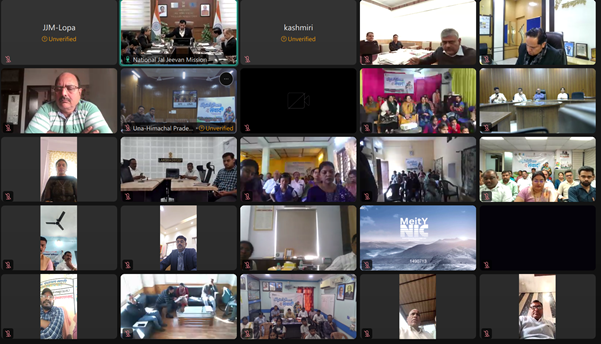
The virtual interaction brought together Gram Panchayat representatives, Village Water and Sanitation Committee members, community participants, women SHGs, students and frontline functionaries, along with State Mission directors of JJM, District Collectors/District Magistrates/Deputy Commissioners, DWSM officials, and senior officers from States and Union Territories.
The third edition of Sujal Gram Samvad featured village‑level interactions across eight Gram Panchayat headquarter villages. The initiative recorded participation of over 3,000 attendees, reflecting strong engagement from both communities and officials. In addition, villagers participated in large numbers at the Gram Panchayat level, including women, children, youth, and elderly community members resulting in collective participation that extended well beyond the registered count.
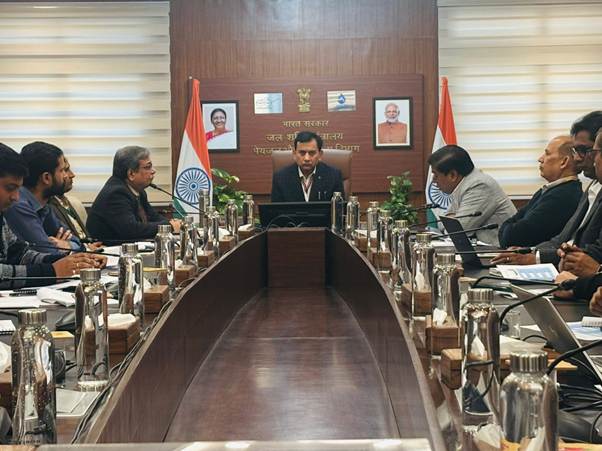
Shri Ashok K.K. Meena, Secretary, DDWS in his message highlighted 3 key areas critical to strengthening village‑level drinking water governance.
- Under the 73rd Constitutional Amendment, the responsibility of drinking water supply rests with Gram Panchayats and stressed the need for Panchayats to fully assume this role through continuous community engagement and participatory planning to ensure regular and reliable water supply to all households.
- Jal Arpan & Lok Jal Utsav- noting that Jal Arpan ensures formal evaluation, commissioning, and handover of water supply schemes to Gram Panchayats along with necessary technical handholding. He urged Panchayats to conduct Lok Jal Utsav to carry out a comprehensive review of schemes and ensure timely operation and maintenance.
- Jal Seva Aankalan - a transformative initiative, wherein villagers, along with Gram Panchayats, assess water quantity, quality, and service levels through Gram Sabhas. He stressed that the findings should be placed before the Gram Sabha and uploaded on the portal to enhance transparency, accountability, and continuous improvement in service delivery.
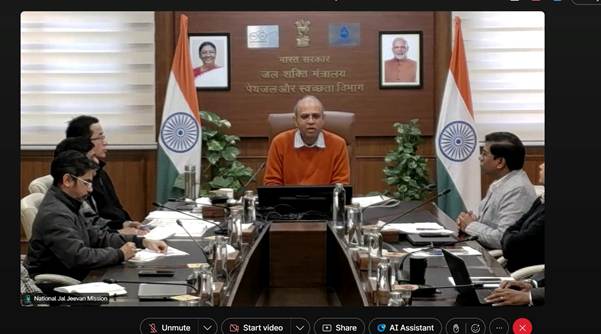
In his opening remarks, AS & MD, NJJM, Shri Kamal Kishore Soan, stated that Sujal Gram Samvad has been designed as a platform to listen directly to villagers in their own languages and to understand how communities are managing the operation and maintenance of drinking water supply schemes. He emphasised the critical role of Gram Panchayats, Village Water & Sanitation Committees, District Collectors, and Mission Directors, noting that while many Panchayats have shown exemplary performance, existing challenges are being addressed through coordinated efforts of village, district, state, and central governments. He recalled that direct interactions between Panchayat representatives and the Ministry leadership have helped strengthen the Mission by drawing from grassroots experiences.
He highlighted that Panchayats demonstrating outstanding work are invited on national occasions such as Republic Day and Independence Day to inspire others and encouraged sharing of good practices for wider dissemination. Stressing that drinking water supply must be sustained over a 30‑year horizon, he reiterated that community participation is essential for ensuring source sustainability, system maintenance, and service reliability. He concluded by underscoring that Jal Jeevan Mission is not merely a scheme but a people’s movement, with Sujal Gram Samvad serving as a key instrument to advance sustainable and inclusive drinking water service delivery.
Voices from the Ground
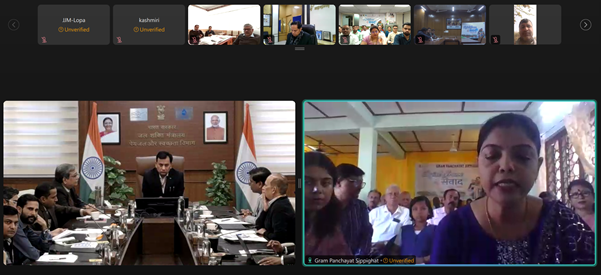
- Sipphighat, South Andaman, Andaman & Nicobar Islands
Shri Samir Kumar, Economic Advisor, initiated the village-level interaction by engaging with the community in Hindi at Sipphighat, South Andaman district, A&N Islands.
Villagers shared that access to clean and safe drinking water has led to a significant reduction in water‑borne diseases, resulting in savings on medical expenses and reduced drudgery for women and girls. A Class VII girl student highlighted that the availability of tap water at both home and school has led to improved health outcomes, fewer incidents of illness, and uninterrupted daily water supply in schools. She also noted that separate toilets for girls and boys are available, and handwashing facilities are functional, contributing to better hygiene and a healthier school environment.
2. Salehbhat, Raipur, Chhattisgarh
Community from Salehbhat shared in Chhattisgarhi with DoWR official, earlier drinking water was collected from rivers and streams; however, under Jal Jeevan Mission, clean and safe water is now available through household tap connections that flows from a village water tank with regular and timely supply.
Villagers reported responsible water use and said a monthly user charge of ₹50 per household is being willingly paid for operation and maintenance. Water quality testing is conducted using field testing kits by trained women, and results are shared in Gram Sabha meetings. Monthly Jal Samiti meetings are held to discuss issues such as leakages, supply gaps, and timing.
Jal Seva Aankalan is scheduled for 23 January during the Gram Sabha. The community also highlighted initiatives for source sustainability, including recharge structures, recharge pits, protection of traditional water bodies (kunds), and promotion of Sokshta Gaddha (Soak Pits) for groundwater recharge. The village emphasised the important role of Jal Bahini and Operators in daily operations, with strong integration of village‑level institutions ensuring system sustainability.
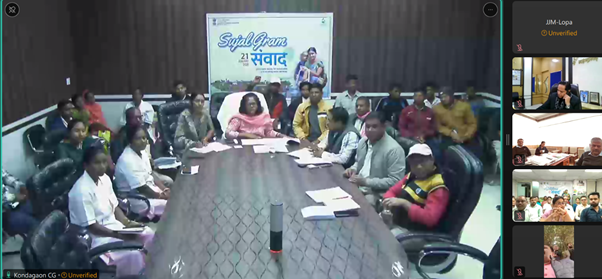
- Dochana, Mahendergarh, Haryana
Speaking in Haryanvi dialect with DDWS officials, villagers shared that as groundwater is not fit for drinking, canal water is treated, tested, and supplied to households. Village Water & Sanitation Committee (VWSC) meetings are held regularly for awareness generation and grievance redressal, while trained women conduct water quality testing using Field Testing Kits (FTKs). Earlier, only one tap connection per ward provided limited water supply; however, the village now reported adequate and uninterrupted water availability.
The Panchayat stated that a monthly user charge of ₹100 per household is collected with receipts issued, and the funds are used exclusively for maintenance of the water supply system. BPL households and those unable to pay are exempted. It was also shared that SHGs supports Panchayats in user‑fee collection across Haryana. Jal Seva Aankalan is scheduled for 27 January through the Gram Sabha, reinforcing transparency and community participation in service delivery.
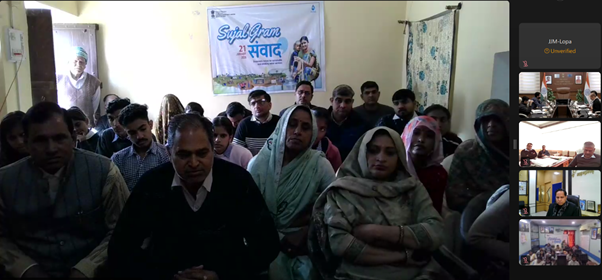
- Harvalem, North Goa, Goa
In Harvalem village, interactions were held in Marathi language, with Sarpanch, VWSC members, school children, and community representatives, who highlighted the availability of 24‑hour drinking water supply through household tap connections. It was also shared that Goa has achieved 100 percent metering of water user charges, ensuring transparency and efficient service delivery. The village further informed that water quality testing is conducted regularly, both before and after the monsoon season, to ensure safe and reliable drinking water for all residents.
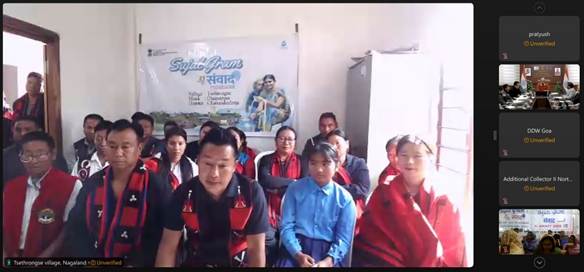
- Tsethrongse, Chumoukedima, Nagaland
The community members of Tsethrongse, spoke in Nagamese and shared that prior to JJM, households had to collect drinking water from sources located 1–1.5 km away from the village. With the provision of Household Tap Connections, water is now supplied directly to homes, significantly easing daily hardships. The village collects a user charge of ₹100 from all beneficiaries and has engaged two persons for the operation and maintenance of water supply assets.
The community further informed that surplus funds have been utilised to expand the water supply infrastructure, including the construction of additional storage tanks. Water is supplied twice daily, in the morning and evening. Water quality testing is conducted by FTK‑trained women, who share the results with villagers, with testing carried out as per requirement. In addition, the Public Health Engineering (PHE) Department conducts water quality testing twice a year, before and after the monsoon and provides technical support to maintain water quality. The WATSAN Committee meeting is held annually with participation from the entire village, where grievances are discussed and resolved, and issues beyond the village level are escalated to the PHE Department for necessary action.
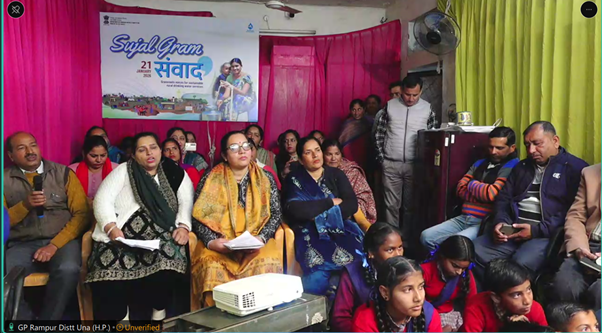
- Rampur, Una, Himachal Pradesh
In Rampur village of Una district, Pradhan Harvinder Kaur and community members, interacted in Punjabi, and shared that the village has achieved 100 percent household tap water connections. Earlier, only 7% homes have tap connections, and women had to fetch water from wells. With household tap connections now in place at every home, women have been able to save time, which is being productively utilised for Self‑Help Group activities, livestock rearing, and other income‑generation initiatives.
The village highlighted strong community engagement in water quality monitoring, with free testing conducted using field testing kits, covering eight key parameters once or twice every month during monthly meetings, where water samples are tested collectively. It was also shared that the VWSC comprises 11 members, including 9 women and 2 men, reflecting significant women’s leadership in water governance at the village level.
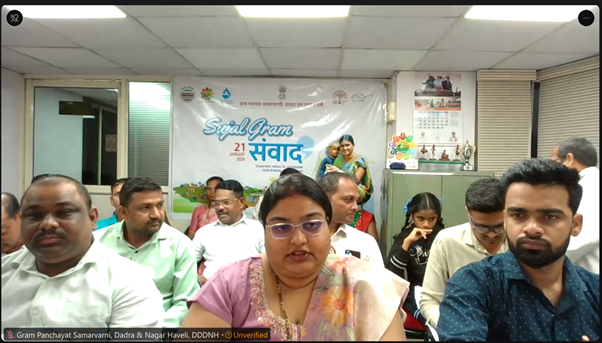
- Samarvarni, Dadra & Nagar Haveli, Dadra & Nagar Haveli and Daman & Diu
Interacting in their local language, Gujarati, community members shared that the district has 8 Water Treatment Plants (WTPs), and households have been receiving safe and quality drinking water through tap connections for the past six years.
They highlighted that the SCADA‑based centralised command and control system ensures timely and reliable water supply. The community emphasised that collective awareness and responsible water use have significantly strengthened local water security. Villagers discussed the importance of measuring daily water consumption, preventing wastage, and promptly addressing pipeline leakages through community reporting and quick repairs. Regular monitoring has helped reduce water losses from household bathrooms and toilets, ensuring uninterrupted supply.
Water‑related grievances are regularly discussed in Gram Sabha meetings, with minor issues resolved within a day and larger concerns escalated to the district level and addressed in a timely manner. The community also stressed the importance of promoting rainwater harvesting and reuse of greywater for kitchen gardens and other non‑potable purposes to enhance sustainability.
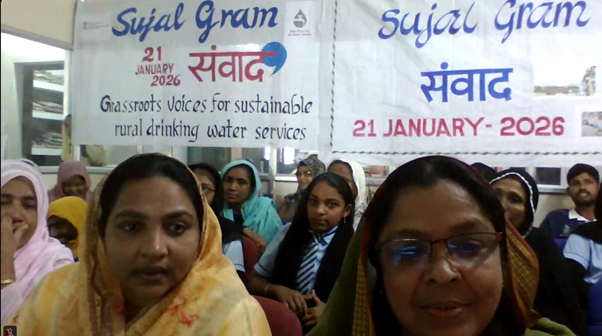
- Kalpeni Island, Chandrapur, Lakshadweep
The Executive Officer, Kalpeni, while interacting with DDWS officials in Malayalam, highlighted that the Panchayat now enjoys 24×7 drinking water availability. Earlier, villagers had to depend on wells located in distant areas for drinking water, whereas they are now receiving good‑quality tap water, which is being directly used for cooking purposes. During the interaction at Kalpeni Gram Panchayat, the focus remained on the round‑the‑clock water supply, which has emerged as a benchmark within the district. Students who participated in the interaction shared that access to clean drinking water and improved sanitation facilities in schools has made their daily lives easier and more comfortable.
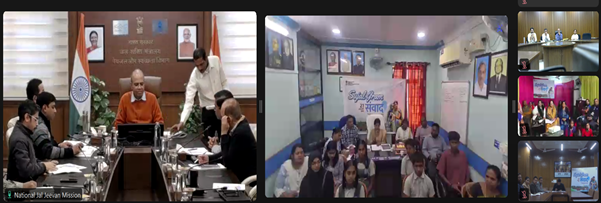
The programme began with Shri Y. K. Singh, Director, NJJM, welcoming all participants and briefly explaining the purpose of the Third Edition of Sujal Gram Samvad. He later proposed the vote of thanks, marking the successful conclusion of the programme.
Way Forward
The Sujal Gram Samvad platform plays a critical role in advancing the objectives of the Jal Jeevan Mission, as it enables direct, two-way communication between policymakers and grassroots institutions responsible for last-mile delivery of rural water supply.
The third edition of Sujal Gram Samvad further strengthened the feedback loop between the Centre and grassroots institutions, reaffirming the Government’s resolve to make rural water supply systems sustainable, people-centric, and future-ready.
The full interaction of the Third Edition can be viewed at:
Ministry of Jal Shakti | Webcast Services of National Informatics Centre, Government of India
AMK
***
(Release ID: 2216985)
Visitor Counter : 852