Rajya Sabha Secretariat
Institutional knowledge of humans central to developing accountable AI for Parliaments: Deputy Chairman Shri Harivansh;
Innovation without restraint carries risk, while restraint without innovation can lead to stagnation, says Shri Harivansh;
Artificial Intelligence in Parliament must be rooted in truth, bound by ethics, guided by human judgment, and accountable to democratic values,urges Deputy Chairman
Posted On:
15 JAN 2026 5:57PM by PIB Delhi
Deputy Chairman Rajya Sabha Harivansh highlighted the importance of institutional memory of humans in shaping application of Artificial Intelligence in legislatures. Harivansh emphasised that if AI is to enter legislatures, it must become accountable, contextual, and trustworthy. He made these remarks at the workshop on the adoption of AI in Parliament at the 28th Conference of Speakers and Presiding Officers of the Commonwealth in New Delhi. During his addresses he also listed the various digital and AI tools being developed for efficient functioning within the Indian Parliament.
Contextualising the need for hybrid approach to developing AI he added, “When a human enters a new organisation, they bring with them two essential attributes: skill and knowledge. Skills can be acquired, transferred, or outsourced. Knowledge, however, is contextual and deeply embedded within the institution. Parliamentary knowledge is unique. It is built over decades through debates, rulings, conventions, and constitutional practices. The same principle applies equally to Artificial Intelligence.” He further added that Institutional knowledge of humans is central to developing accountable AI for Parliaments.
“Human oversight and the ability to intervene must be integral to the system. Innovation without restraint carries risk, while restraint without innovation can lead to stagnation.” Therefore, Parliament must maintain a careful and deliberate balance between the two, he added
Elaborating on the practical use cases of AI already underway in Parliament, Harivansh cited the use of models to carry out translation of business documents, analysis of Parliamentary debates and framing of questions across 22 languages. “We have developed a Parliamentary Language Dictionary consisting of approximately 48 thousand terms, which has been integrated into a custom AI model designed exclusively for parliamentary use. This has significantly increased acceptability among internal users and improved its accuracy. Human translators remain firmly in control, with AI serving as an assistive tool.” However, he stated that in the legislative context “artificial Intelligence in Parliament must be rooted in truth, bound by ethics, guided by human judgment, and accountable to democratic values”.
In his concluding remarks, he also called for greater Parliamentary cooperation on application of AI among Commonwealth nations.
The two-day conference is being hosted by India for the fourth time with the previous ones hosted in 1971, 1986 and 2010. The conference was inaugurated earlier in presence of Hon’ble Prime Minister Narendra Modi at the Central Hall of Parliament (Samvidhan Sadan).
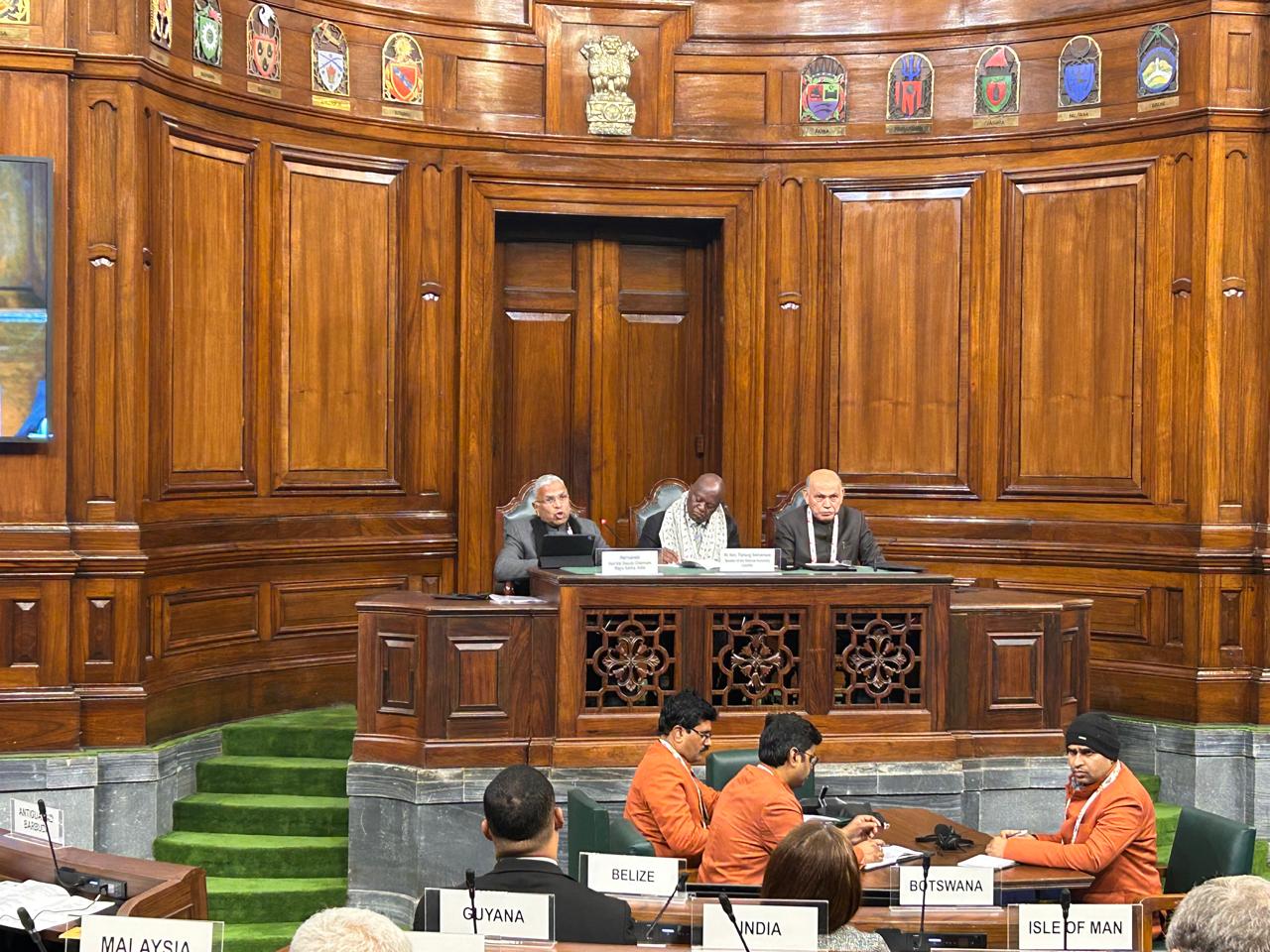
Z46Q.jpeg)
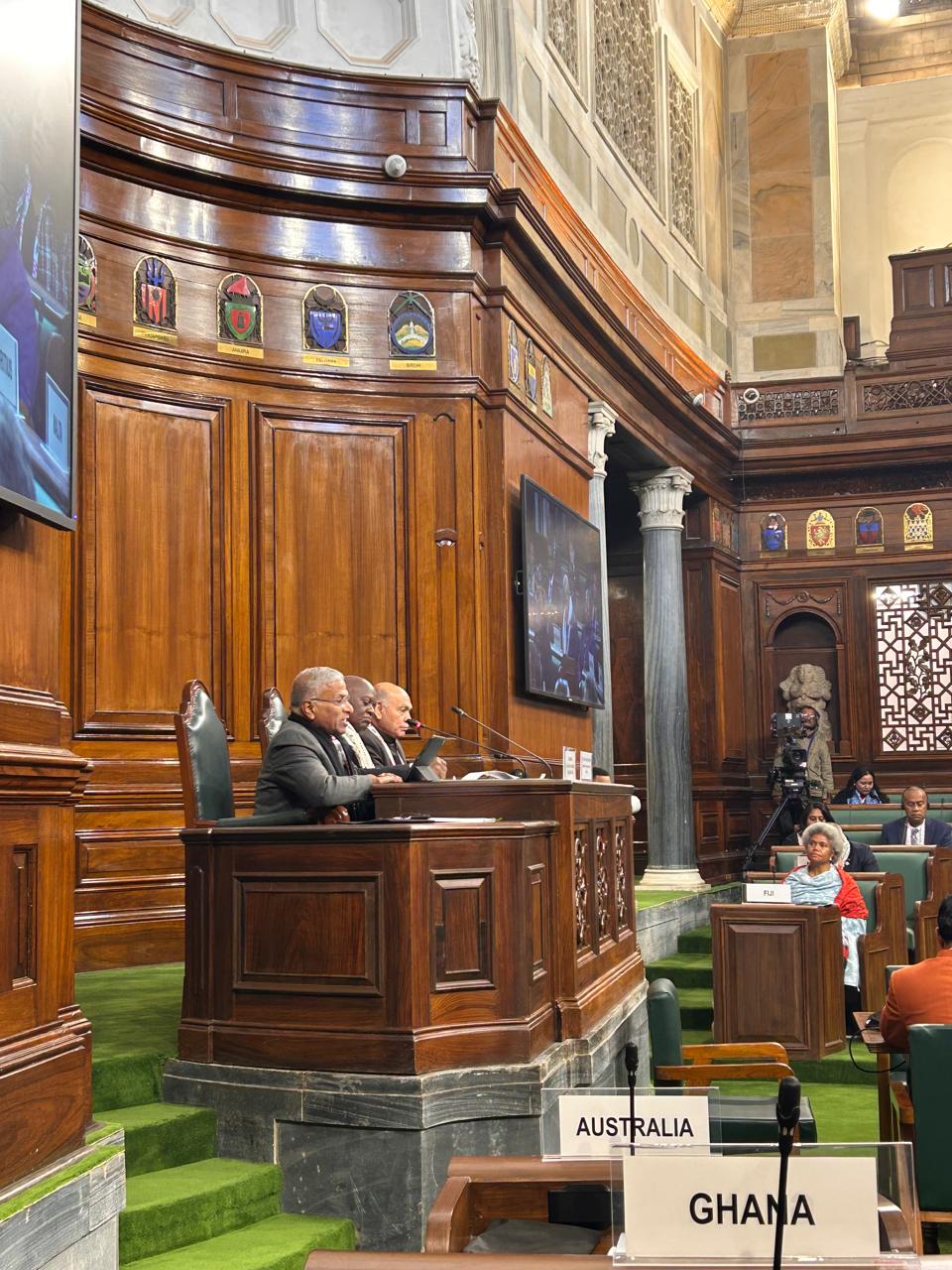
****
RK
(Release ID: 2214979)
Visitor Counter : 1209