Ministry of Skill Development and Entrepreneurship
MSDE Engages with UN Special Rapporteur on advancing inclusive skilling and economic participation of persons with disabilities
Dialogue focuses on accessible training, meaningful employment and pathways to economic independence
प्रविष्टि तिथि:
18 NOV 2026 5:20PM by PIB Delhi
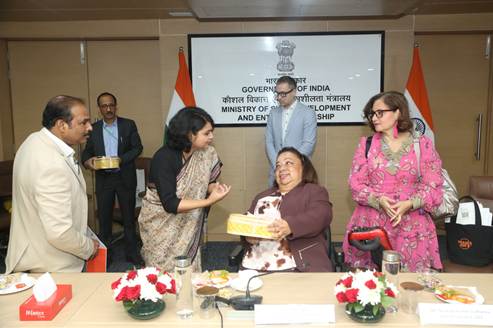
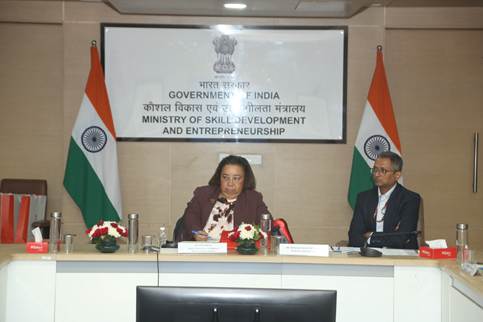
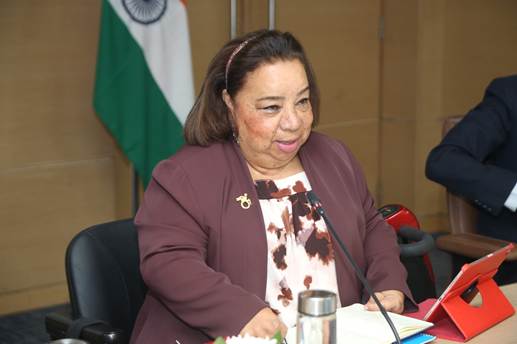
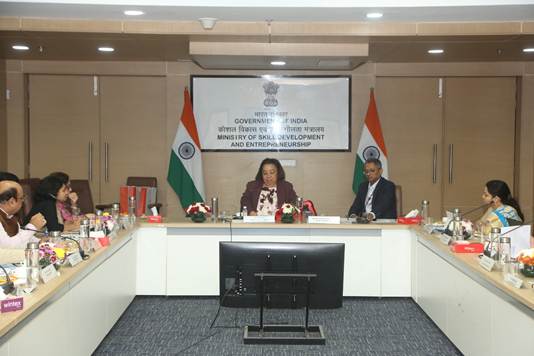
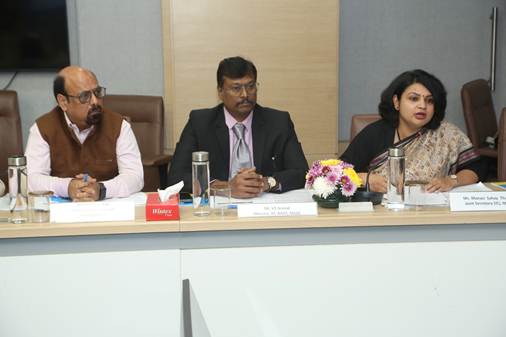
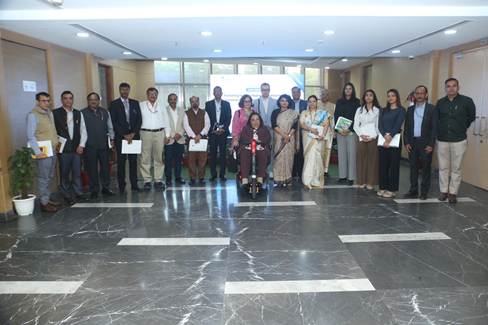
The Ministry of Skill Development and Entrepreneurship (MSDE) held an interaction with Ms. Heba Hagrass, United Nations Special Rapporteur on the Rights of Persons with Disabilities, on strengthening disability inclusion in skill development and expanding pathways to employment and entrepreneurship. The engagement formed part of the Special Rapporteur’s official visit to India.
The interaction provided an opportunity to examine how skill development systems can support the dignity, autonomy and economic participation of persons with disabilities. The dialogue centred on addressing barriers across the journey from access to training and certification to employment, retention and career progression, in keeping with the principles of the Convention on the Rights of Persons with Disabilities (CRPD).
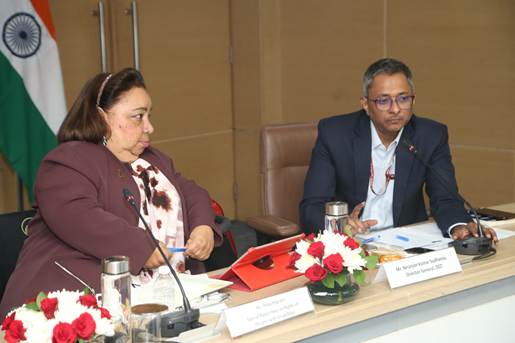
Speaking on the engagement, Shri Niranjan Kumar Sudhansu, Additional Secretary, MSDE said, “An inclusive skill ecosystem must recognise both the diversity of learners and the equal worth of their aspirations. For persons with disabilities, access to training must translate into the freedom to choose a vocation, demonstrate competence and progress in the world of work. Our endeavour is to embed accessibility across the skilling journey and strengthen the connection between learning and livelihoods. The measure of our progress must be the opportunities people are able to exercise and the economic independence they are able to achieve.”
The engagement brought into focus the importance of accessible training infrastructure, digital learning platforms, learning materials and assessment processes. Reasonable accommodation, assistive technologies and the capacity of trainers and assessors were identified as important considerations in enabling learners with different disabilities to participate on an equal basis. The discussions also underscored the importance of embedding accessibility and appropriate support within mainstream training programmes, alongside disability-specific interventions, to enable greater participation and inclusion.
The dialogue also addressed the relationship between skilling and labour market inclusion. Industry engagement, accessible workplaces and support during the transition from training to employment are critical to ensuring that acquired skills lead to sustained livelihoods. The discussions also emphasised upon the enabling measures to enhance the participation of persons with disabilities in skill training and government employment, while encouraging greater inclusion and employment opportunities in the private sector.
Entrepreneurship and self-employment were also discussed as important pathways to economic independence, including the role of access to finance, mentoring, technology and markets in supporting entrepreneurs with disabilities.
Ms. Heba Hagrass, United Nations Special Rapporteur on the rights of persons with disabilities said, “The right to work begins with having a real opportunity to learn, choose and participate. Inclusive vocational training must equip persons with disabilities for the full range of opportunities in a changing economy, with accessibility and reasonable accommodation built into its design. Meaningful participation of persons with disabilities and their representative organisations is essential to this process. Their experience and expertise can help institutions translate commitments into practical changes that advance equality and independence.”
The dialogue also highlighted the role of evidence in strengthening disability inclusion, including through better understanding of participation, training outcomes and pathways to employment. Particular attention was drawn to addressing barriers faced by women with disabilities and persons in rural and underserved areas.
The engagement situated inclusive skilling within the wider objective of enabling persons with disabilities to participate as equal contributors to economic and social development. It provided a platform for exchanging perspectives on how policy, institutional practice, technology and employer participation can work together to expand opportunity.
The United Nations Special Rapporteur on the rights of persons with disabilities is an independent expert appointed by the Human Rights Council. The mandate promotes the rights of persons with disabilities through dialogue, country visits, recommendations and the exchange of good practices.
***
SH
(रिलीज़ आईडी: 2337978)
आगंतुक पटल : 185