PIB Backgrounder
Reclaiming the Land Beneath the Waste
Transforming India’s Legacy Dumpsites
प्रविष्टि तिथि:
21 SEP 2026 5:03PM by PIB Delhi
Behind every clean street in urban India lies a chain of infrastructure and systems that manage the waste generated by cities. Every large Indian city generates waste that comes from households, markets, institutions, commercial establishments and public spaces. Much of this waste is directed to dumpsites, where it accumulates over time and forms legacy waste sites. To tackle this challenge, the Swachh Bharat Mission-Urban (SBM-U) was launched in October 2014.
Over 12 years, SBM-U has been building infrastructure beyond basic sanitation. Its focus now extends to managing urban waste and creating better spaces for cities to live, work and gather. Under the Swachh Bharat Mission-Urban 2.0, launched in October 2021, cities across India are undertaking the transformation of legacy dumpsites into productive and environmentally sustainable spaces. The scale of this effort is reflected in the 3.66 crore metric tonnes of legacy waste remediated between January and December 2025. During this time, 459 Urban Local Bodies across 29 States achieved complete dumpsite remediation. The Lakshya Zero Dumpsite initiative under this mission is driving a structured and time-bound effort to scientifically remediate such sites across States and Urban Local Bodies.
Gorakhpur
In Gorakhpur, Uttar Pradesh, a 40-acre site once stood as a towering mound of accumulated municipal waste. For seven years, it served as the city’s primary waste disposal site. The growing waste mound affected the surrounding environment and created difficult living conditions for nearby residents. The site was scientifically remediated through biomining, with around 400 tonnes of waste processed every day. The process separated the accumulated waste into refuse-derived fuel, black soil, recyclables and inert material. Recovered black soil was used for filling low-lying areas, while refuse-derived fuel went to cement industries for co-processing. Gradually, the waste mound gave way to reclaimed land.
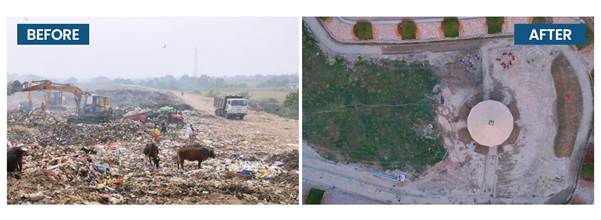
Image 1: Dumpsite in Gorakhpur, Uttar Pradesh
The transformation continued beyond clearing the accumulated waste. The entire 40-acre site was developed into the Kachre Se Kanchan Rapti Eco Park. The new public space now includes green lawns, walking and jogging tracks, and a children’s play area. An open gym, yoga zone, solar lighting and water conservation structures further expand its public use. Food courts, parking facilities and other amenities have also been incorporated into the park. Several installations made from recycled waste materials highlight the possibilities of resource recovery. The park has also created space for local livelihoods. The women-led self-help group Shakti Ki Rasoi operates a restaurant within the park. Today, the park attracts around 500 visitors each day. A site once defined by accumulated waste has thus become a space for recreation and community life.
Delhi
Gorakhpur is not an isolated success. In the national capital, another towering mound is steadily shrinking. The Bhalswa dumpsite, spread over about 70 acres, once held vast quantities of legacy waste. Since July 2022, biomining has been carried out in mission mode continuously at the site.
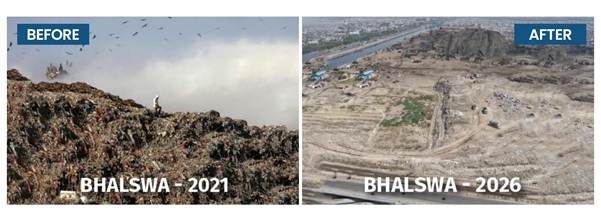
Image 2: Dumpsite in Bhalswa, Delhi
In September 2025, the annual Swachhata Hi Seva cleanliness campaign was launched nationally from Bhalswa. The site was taken up for accelerated remediation. In November 2025, the Dumpsite Remediation Accelerator Programme (DRAP) was launched. This nationwide, mission-mode initiative fast-tracks the remediation of remaining dumpsites under Swachh Bharat Mission-Urban 2.0.
As part of DRAP, results are now visible in Bhalswa. By May 2026, more than half of the site had been reclaimed, and by 31 July 2026, 99.07 lakh metric tonnes of legacy waste had been remediated.
The work goes beyond removing old waste. Fire-prevention measures, leachate management and other environmental safeguards support safety around the site. Newly awarded work to process fresh waste at the landfill is also being expedited. The goal is to prevent new legacy waste from building up again.
Nagpur
In Nagpur, the Bhandewadi dumping yard is being reshaped into a working waste-processing facility. As a rapidly growing city of over 30 lakh people, Nagpur generates waste from homes, markets, institutions, and public spaces. A significant share of waste used to go to the Bhandewadi dumping yard, which became a major legacy waste site over time.
The city chose to move from open dumping to scientific waste management. Legacy waste was excavated, segregated, and processed in a systematic way. More than 10 lakh metric tonnes of accumulated waste have been treated, which has enabled the reclamation of acres of valuable land, once locked under waste.
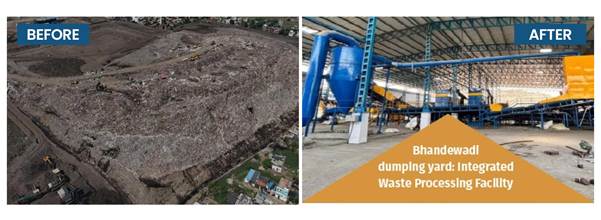
Image 3: Bhandewadi dumping yard, Nagpur
The story did not end with reclamation. The site is now an Integrated Municipal Solid Waste Processing Facility. Here, materials are recovered, waste is composted and waste-derived fuel is produced. Modern machines process the waste, while real-time monitoring and CCTV keep a close watch. Dust control and leachate treatment help protect the surroundings.
The transformation has brought benefits for the city. Dependence on landfills has fallen markedly. Air, water and soil quality have improved, along with public health in surrounding areas. The city has also added composting plants, modular processing units and construction and demolition waste systems. Here, waste is no longer seen as a liability, but as a resource to be recovered.
Raichur
In Raichur, Karnataka, the reclaimed land is taking a different form, with 35 acres of Yakalaspura dumpsite being transformed through scientific legacy waste remediation. Around 62,252 metric tonnes of waste have been processed, reclaiming nearly 22 acres of urban land.
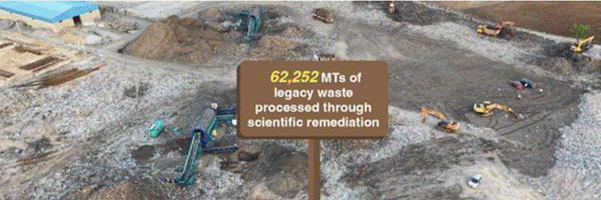
Image 4: Yakalaspura dumpsite, Raichur, Karnataka
Part of the restored site now supports sustainable land use, including a Miyawaki forest spread across approximately 5-7 acres. It demonstrates how a former dumpsite can be converted into a thriving ecological space. Around 60,000 bamboo and native saplings are being planted to expand green cover, support biodiversity and restore the soil. The plantation began on 5 June 2026, with the site inaugurated on World Environment Day. The Yakalaspura transformation is more than waste remediation. The initiative is developed around the concept of “Toxic Waste to Ecological Wealth”. It demonstrates how reclaimed dumpsite land can support ecological restoration and sustainable urban
development.
The Movement beyond Cleanup
A reclaimed dumpsite is more than recovered land. It represents a changing approach to managing the waste generated by cities. Across Gorakhpur, Delhi, Nagpur and Raichur, the pattern is the same. Waste mountains are excavated, sorted and turned back into usable land.
Machines and plants alone cannot make this last. City Solid Waste Action Plans, tracked progress on the SBM-U portal and annual Swachh Survekshan rankings keep the work on course long after the ribbon is cut. Infrastructure and institutions together turn a one-time cleanup into a lasting system. Swachh Bharat Mission–Urban began with sanitation, but it has grown well beyond it. It is now reshaping how cities reclaim land, restore ecology and build public spaces where people live, work and gather.
References
Ministry of Housing and Urban Affairs
Click here to see pdf
****
PIB Research
(रिलीज़ आईडी: 2313052)
आगंतुक पटल : 287
इस विज्ञप्ति को इन भाषाओं में पढ़ें:
हिन्दी