PIB Backgrounder
India as a Tourism Hub
Building a Globally Competitive, Inclusive and Sustainable Visitor Economy
प्रविष्टि तिथि:
31 JUL 2026 5:51PM by PIB Delhi
|
India is steadily emerging as a major tourism hub, backed by its civilisational heritage, natural diversity, spiritual appeal and expanding visitor economy. With stronger destination infrastructure, improved connectivity, digital platforms, travel facilitation and global promotion, the sector is moving towards higher-value tourism experiences. The focus is also on sustainable and inclusive growth, ensuring tourism supports local livelihoods, community participation, heritage preservation and India’s long-term competitiveness as a global destination.
|
Tourism as a National Growth Engine
Tourism has emerged as one of India's key drivers of economic growth, employment and regional development. More than a travel industry, it supports a wide ecosystem of hospitality, transport, handicrafts, food services, wellness, culture and local enterprises, creating livelihood opportunities across both urban and rural India. As domestic travel reaches record levels and international arrivals strongly continue to recover, the sector is playing an increasingly important role in strengthening local economies while showcasing India's rich cultural and natural heritage to the world.
Today, the sector reflects both scale and momentum:
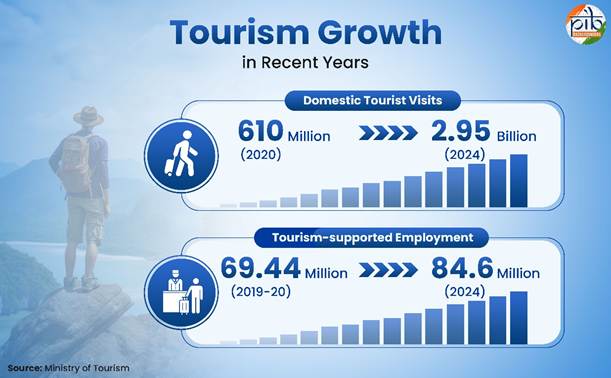
- 2.9 billion domestic tourist visits in 2024, exceeding pre-pandemic levels.
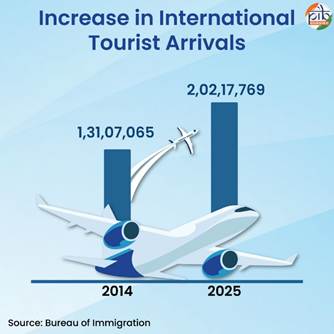
- Around 2.02 crore International Tourist Arrivals 2025.
- ₹15.73 lakh crore contribution to India's GDP in FY 2023-24, accounting for 5.22% of the economy.
- 84.6 million jobs supported by tourism and hospitality in 2023-24.
- Nearly USD 31.7 billion in international tourism receipts in 2025.
Yet, India's tourism story is not merely about rising visitor numbers. The country's unparalleled cultural heritage, diverse landscapes, spirituality, wellness traditions and experiential offerings provide a strong foundation to emerge as a leading global tourism destination.
India’s Tourism Advantage: Diversity, Demand and Soft Power
India's greatest tourism strength lies in the sheer diversity of experiences it offers. Within one country, visitors can explore ancient civilisations, living cultural traditions, sacred pilgrimage sites, pristine forests with diverse wildlife, snow-clad mountains, vibrant festivals, diverse cuisines and world-renowned wellness practices. This unique combination of tangible and intangible heritage enables our country to cater to a wide range of travellers throughout the year.
India's tourism asset base includes:
- 44 UNESCO World Heritage Sites, reflecting the country's rich cultural and natural heritage.
- 106 National Parks and 18 Biosphere Reserves, supporting wildlife and nature-based tourism.
- A vast network of pilgrimage centres, heritage monuments, museums, protected forests, beaches, islands and cultural landscapes.
- Rich traditions of handicrafts, cuisine, festivals, performing arts, Yoga and Ayurveda that continue to attract visitors from across the world.
Major Tourism Segments
India's tourism offerings span multiple high-potential segments, allowing destinations to cater to varied visitor interests and create year-round tourism demand.
Spiritual and Pilgrimage Tourism
As the birthplace of Hinduism, Buddhism, Jainism and Sikhism, India is home to some of the world's most significant pilgrimage destinations. From the sacred circuits of Char Dham, Kashi and Ayodhya to the holy sites of Bodh Gaya, Amritsar, Tirupati and Puri, spiritual tourism continues to attract millions of domestic and international visitors every year. Continued investments in connectivity, infrastructure and visitor amenities are further strengthening India's position as a global spiritual tourism destination.
Buddhist Circuits and Transnational Cultural Linkages
India's Buddhist heritage continues to attract pilgrims and scholars from across Asia and beyond. Destinations associated with the life of Lord Buddha, together with other shared civilisational and cultural linkages, strengthen our nation’s role as an important centre for religious and cultural tourism.
Heritage and Cultural Tourism
India's rich civilisational legacy is reflected in its forts, palaces, temples, archaeological sites, museums and historic cities. Complementing these tangible treasures are the country’s vibrant living traditions—classical dance, music, festivals, handicrafts and regional cuisines—which offer visitors immersive cultural experiences beyond monuments. Together, they showcase the remarkable continuity and enduring vitality of India's cultural heritage across generations.
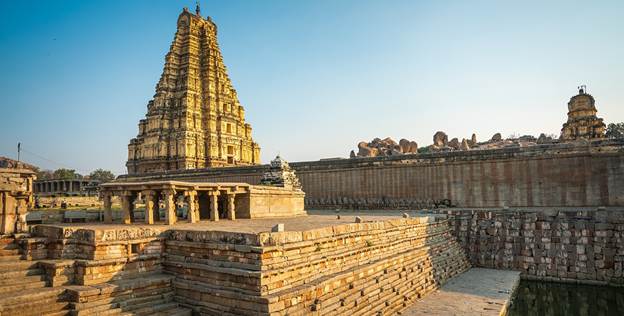
Virupaksha Temple, Hampi, Karnataka
Wellness, Yoga and Medical Tourism
India has emerged as a leading destination for wellness tourism, drawing visitors from around the world seeking holistic health and well-being. Yoga, recognised globally as India's gift to the world, along with Ayurveda, naturopathy and traditional healing systems, forms the foundation of this rapidly growing segment. Complementing these offerings are world-class healthcare facilities and high-quality, cost-effective medical treatment, which have further strengthened India's position as a preferred destination for medical tourism.

Eco-tourism and Wildlife Tourism
India's diverse ecosystems provide a wealth of nature-based tourism experiences. National parks, tiger reserves, wetlands, mangroves, biosphere reserves and Himalayan landscapes offer opportunities for wildlife safaris, birdwatching, trekking, turtle conservation trails, nature interpretation etc. At the same time, responsible eco-tourism is also creating sustainable livelihood opportunities for local communities while promoting conservation and protection of natural habitats.
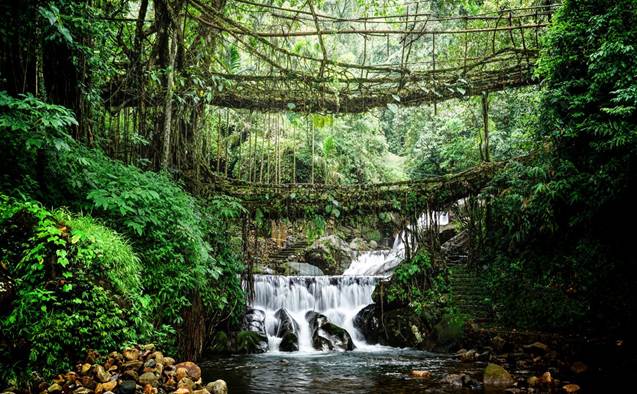
Double Decker Living Root Bridge, Cherrapunjee, Meghalaya
Rural, Homestay and Community-based Tourism
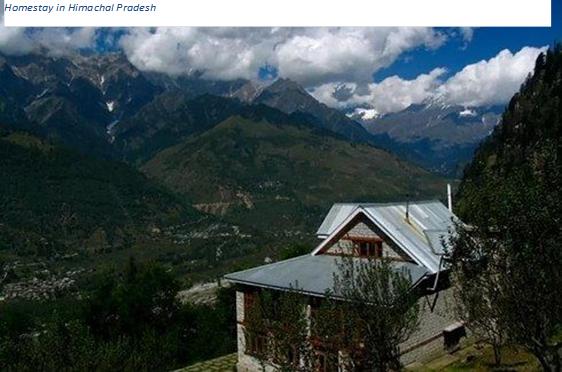
Homestay in Himachal Pradesh
|
Beyond established destinations, rural tourism is bringing visitors closer to India's villages, local traditions and indigenous knowledge systems. Homestays, village walks, traditional cuisine, handicrafts, agricultural experiences and meaningful cultural interactions enable travellers to experience authentic local life while generating sustainable livelihoods and direct income for rural households, artisans and community enterprises.
MICE Tourism
India is emerging as a leading destination for Meetings, Incentives, Conferences and Exhibitions (MICE) tourism, supported by expanding convention infrastructure and a proven track record of hosting major international events. Modern convention centres, enhanced connectivity and destination-based business events are diversifying the country's tourism offerings beyond leisure travel, while generating year-round economic activity.
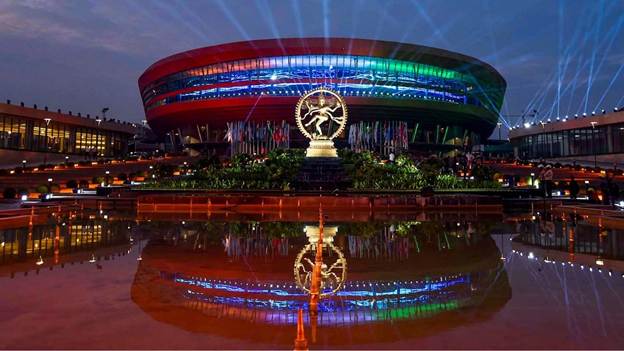
Bharat Mandapam, New Delhi
|
G20: Showcasing India's Tourism Potential to the World
India's G20 Presidency provided an unprecedented opportunity to showcase the country's tourism diversity on the global stage.
- Over 200 G20 meetings were organised across more than 60 cities, taking international delegates beyond conventional metropolitan destinations.
- The events highlighted India's heritage monuments, local crafts, regional cuisines, cultural performances and tourism experiences across different States and Union Territories.
- The multi-city approach strengthened destination branding, promoted lesser-known locations and demonstrated India's capability to host world-class international events.
- The experience has also reinforced India's growing potential as a destination for MICE tourism while enhancing its global visibility and soft power.
|
Coastal, Cruise, Adventure and Experiential Tourism
With a coastline spanning over 7,500 km, island territories, rivers, vast deserts and mountain landscapes, India offers a diverse range of tourism experiences. From coastal and cruise tourism, to water sports, trekking, mountaineering, river rafting, desert safaris, film tourism and other experiential travel offerings- the country caters to a wide range of traveller interests. These diverse interests are expanding visitor choices and encouraging longer stays across destinations.

Infrastructure-Led Destination Development
India's tourism development strategy has progressively shifted from improving individual attractions to creating integrated destination ecosystems. The focus has shifted beyond developing standalone monuments and heritage sites to building holistic tourism destinations with seamless connectivity, high-quality visitor infrastructure and immersive experiences. This approach seeks to improve the overall visitor journey while ensuring that tourism generates sustained economic and long-term benefits for local communities.
Strengthening Destination Infrastructure
A number of flagship initiatives are driving this transformation across the country. These investments are shifting India's tourism model from isolated attractions to integrated destinations that encourage longer visitor stays, higher local spending and improved visitor experiences.
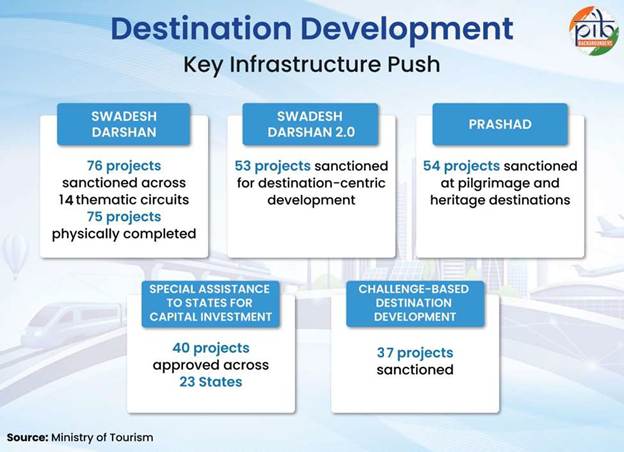
- Swadesh Darshan has sanctioned 76 projects with an investment of over ₹5,295.24 crore across 14 thematic tourist circuits. Of these, 75 projects have been physically completed. The programme has developed infrastructure across the Buddhist, Coastal, Desert, Eco, Himalayan, North East, Ramayana, Rural, Spiritual, Tribal and other thematic circuits.
- Building on this, Swadesh Darshan 2.0 adopts a destination-centric approach, focusing on sustainable and experience-based tourism. 53 projects, worth ₹2,207.08 crore, have been sanctioned to develop destinations through better planning, infrastructure and visitor experience.
- Under the PRASHAD scheme, 54 projects worth over ₹1,726.24 crore have been sanctioned to improve infrastructure at major pilgrimage and heritage destinations, enhancing facilities for pilgrims while preserving their cultural and spiritual significance.
- Through the Special Assistance to States for Capital Investment (SASCI), 40 projects across 23 States have been approved with an outlay of ₹3,295.76 crore for the development of iconic tourist centres and transform them to match global standards.
- The Challenge-Based Destination Development (CBDD) initiative has sanctioned 37 projects worth ₹687.99 crore, focusing on destinations with high tourism potential under the spiritual and eco-tourism categories.
Connectivity as Tourism Infrastructure
Tourism infrastructure extends far beyond the destination itself. Improved accessibility has become a critical component of destination development.
Expansion of the national highway network, modernisation of railway stations, introduction of Vande Bharat trains, enhanced regional air connectivity through UDAN, airport development, better last-mile connectivity, e-buses and improved public amenities are making tourist destinations more accessible and reducing travel time. The next phase of regional connectivity, Viksit UDAN, with an outlay of over ₹28,840 crore, is expected to further strengthen air travel in Tier-2 and Tier-3 cities and remote regions, including through the development of over 100 new aerodromes and 200 helipads. These investments are helping connect tourism circuits rather than keeping them as isolated attractions, enabling visitors to explore multiple destinations within a region.
Ease of Travel, Digital Tourism and Global Market Access
In an increasingly competitive tourism landscape, destinations are judged not only by what they offer but also by how easy they are to access, discover and experience. From visa facilitation and digital services to destination promotion and technology-driven innovation, India is steadily working to create a seamless visitor journey while strengthening its presence in global tourism markets.
Making Travel Easier
Travel facilitation has emerged as a key driver of international tourism. India has steadily simplified entry procedures through the e-Tourist Visa system, making travel more convenient for international visitors.
Key initiatives include:
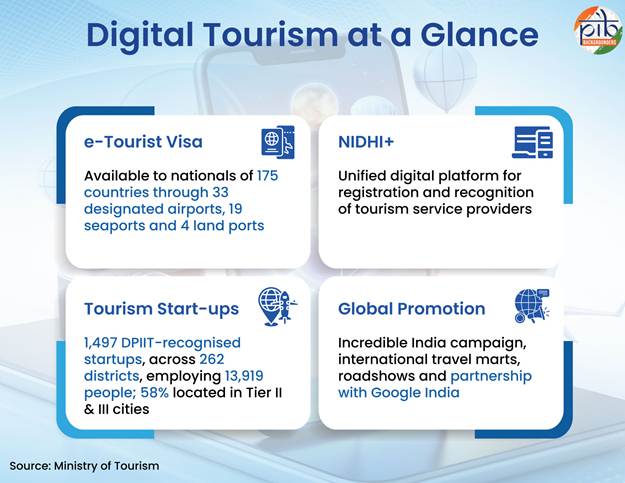
- e-Tourist Visa facility extended to nationals of 175 countries.
- Entry permitted through 33 designated airports, 19 seaports and 4 land ports.
- Expansion of visa categories and designated ports of entry under the e-Visa framework.
- Continued efforts towards simplified documentation, digital authorisation and easier travel procedures for visitors from high-potential source markets.
Building a Digital Tourism Ecosystem
Digital platforms are becoming central to both visitor experience and tourism governance.
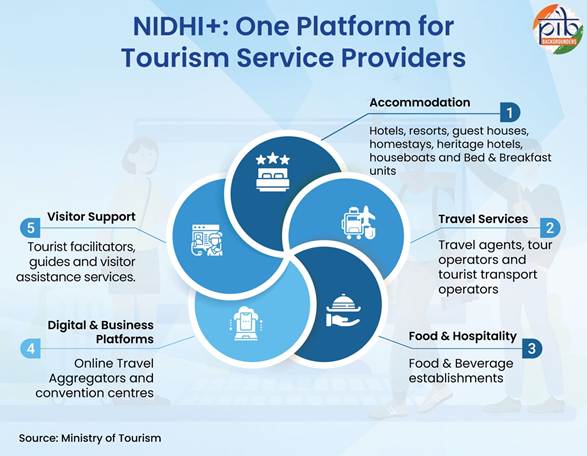
The National Integrated Database of Hospitality Industry (NIDHI+) has been developed as a unified digital platform for registration, recognition and classification of tourism service providers. It provides end-to-end online processing, integrated payment facilities and transparent approvals while improving ease of doing business.
Innovation Driving Tourism Growth
Innovation and entrepreneurship are emerging as important drivers of tourism growth. The travel and tourism sector has 1,497 DPIIT-recognised startups (as on 17 April 2023) across 262 districts, generating employment for nearly 13,919 people. Notably, 58% of these startups are based in Tier II and Tier III cities, highlighting the growing spread of tourism entrepreneurship beyond major urban centres.
These startups are developing solutions across travel-tech, online booking, homestays, rural and experiential tourism, smart mobility and AI-enabled travel planning. Notable examples include Highway Delite, which has created a digitally connected highway amenities network; VilloTale, which promotes rural tourism through homestays and community-based experiences; and udChalo, which provides technology-enabled travel services to over 2.8 million defence personnel, veterans and their dependants through digital platforms and a network of more than 70 booking offices.
Sustainable and Inclusive Tourism: The Long-Term Model
As India strengthens its position as a global tourism hub, sustainability is emerging as a key principle of tourism development. The focus is increasingly on creating destinations that are environmentally responsible, economically inclusive and capable of delivering high-quality visitor experiences. Alongside investments in infrastructure, connectivity and digital transformation, tourism policies are placing greater emphasis on responsible travel, community participation, skill development and long-term destination management.
Sustainable Destinations
India is promoting a more balanced model of tourism by encouraging Travel for LiFE and responsible visitor behaviour. Greater emphasis is also being placed on diversification through trekking, birdwatching, turtle trails and other nature-based experiences, helping distribute visitor flows beyond saturated destinations while also supporting conservation and local livelihoods. Sustainable tourism also contributes directly to the achievement of the Sustainable Development Goals (SDGs) by promoting inclusive economic growth, employment, cultural preservation and environmental protection.
- SDG 8.9 focuses on promoting sustainable tourism that creates jobs and promotes local culture and products,
- SDG 12.B emphasises on developing tools to monitor sustainable tourism impacts, and
- SDG 14.7 highlights increasing the economic benefits to Small Island Developing States and Least Developed Countries through the sustainable use of marine resources, including tourism.
Looking Ahead
India's tourism vision extends beyond increasing visitor arrivals to building a resilient, high-value tourism ecosystem. Investments in destination infrastructure, enhanced connectivity, digital transformation, travel facilitation, skill development and sustainable destination management are strengthening India's competitiveness as a global tourism destination while ensuring that growth remains inclusive. By balancing economic development with environmental responsibility and community participation, the Government is creating a tourism sector that drives higher visitor spending, generates quality employment and delivers long-term economic and social benefits for destinations and local communities.
References
Press Information Bureau
https://www.pib.gov.in/PressReleasePage.aspx?PRID=2277629®=48&lang=2&utm
https://www.pib.gov.in/PressReleasePage.aspx?PRID=2226966&utm®=48&lang=2
https://www.pib.gov.in/PressReleasePage.aspx?PRID=2240649®=3&lang=1&utm
https://www.pib.gov.in/FactsheetDetails.aspx?Id=149085®=48&lang=2
https://www.pib.gov.in/PressReleasePage.aspx?PRID=2232011®=48&lang=2
Ministry of Tourism
https://www.tourism.gov.in/
https://data.tourism.gov.in/mrd/Uploads/annual-reports/Ministry%20of%20Tourism%20Annual%20Report_2025-26_english_0.pdf
https://nidhi.tourism.gov.in/home/
https://www.tourism.gov.in/static/uploads/2025/07/a7720ca5f98221c4be071b932d2186e4.pdf
https://master-tourism.digifootprint.gov.in/static/uploads/2025/06/21e6726f1430d5deb423df9514ac5c47.pdf
https://master-tourism.digifootprint.gov.in/static/uploads/2025/06/8ac294b0518dd85d090b65906f8fd498.pdf
https://master-tourism.digifootprint.gov.in/static/uploads/2026/02/cab327af634c9575e187fb271602ac88.pdf
NITI Aayog
https://niti.gov.in/sites/default/files/2026-07/Unlocking-Growth-in-Tourism-and-Hospitality-Sector.pdf
Photos
https://www.incredibleindia.gov.in/en
Others
https://whc.unesco.org/en/statesparties/in
https://static.investindia.gov.in/s3fs-public/2022-10/Draft%20Tourism%20Policy%20ver%203%20Nov%2021%20updated.pdf?utm
https://newsonair.gov.in/pm-modi-launches-next-phase-of-viksit-udan-to-give-fillip-to-air-travel-in-tier-2-and-tier-3-cities/
https://www.startupindia.gov.in/content/sih/en/bloglist/blogs/TourismSector.html?utm
https://sdgs.un.org/topics/sustainable-tourism
India as a Tourism Hub
******
PIB Research
(रिलीज़ आईडी: 2292601)
आगंतुक पटल : 3623