Ministry of Panchayati Raj
India Showcases Women-led Panchayati Raj as a Global Model for Inclusive Grassroots Governance at BRICS Women Ministerial Meeting
Secretary, Ministry of Panchayati Raj highlights India’s transformative initiatives to advance women’s leadership and strengthen inclusive grassroots governance
प्रविष्टि तिथि:
08 JUL 2026 5:45PM by PIB Thiruvananthpuram
Kochi, Kerala; July 8, 2026: Under India’s BRICS Chairship 2026, the Ministry of Panchayati Raj showcased the country’s transformative initiatives in empowering women through democratic decentralisation and strengthening grassroots governance during the panel discussion on “Advancing Women’s Leadership at the Grassroots” held as part of the BRICS Women Ministerial Meeting in Kochi, Kerala. The panel was chaired by Shri Vivek Bharadwaj, Secretary, Ministry of Panchayati Raj, Government of India.
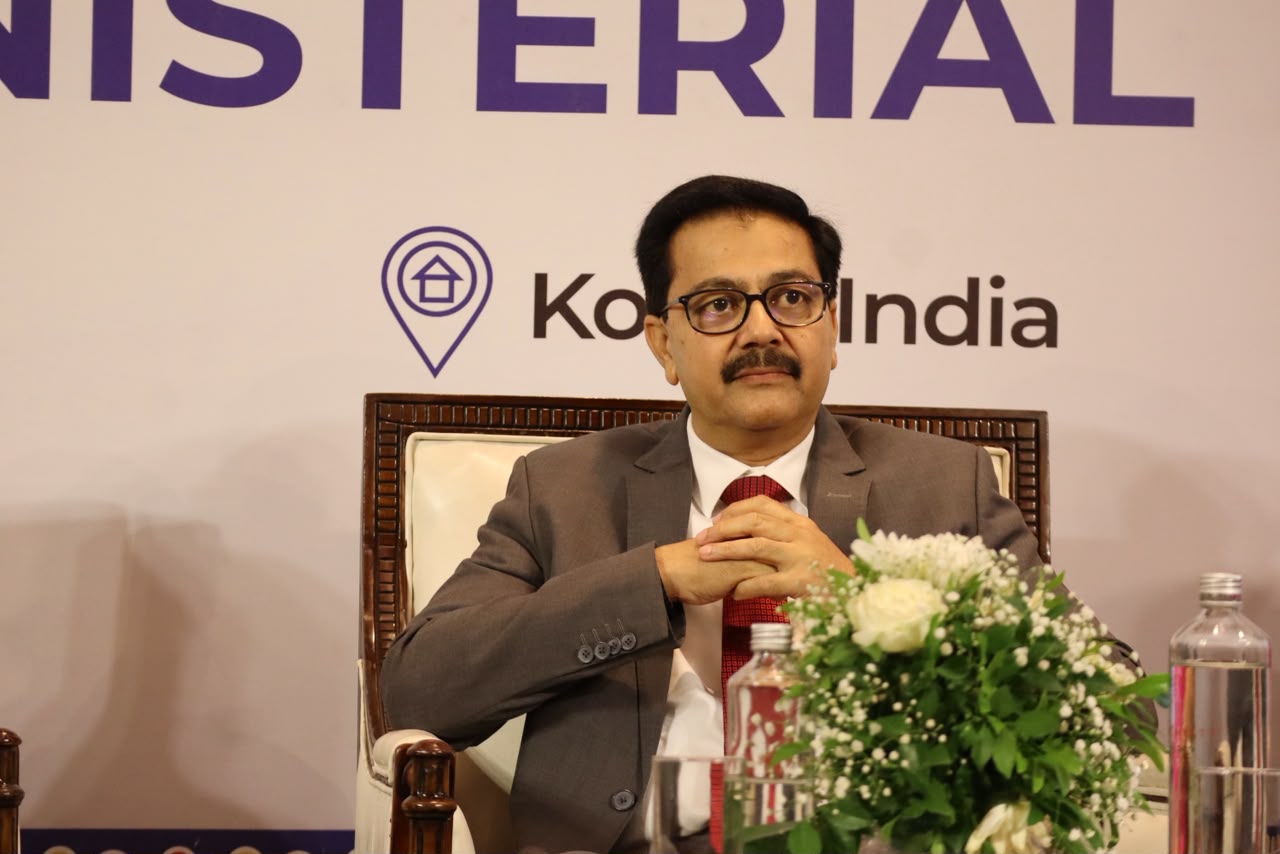
The BRICS Women Ministerial Meeting has brought together Ministers and Heads of Delegation from BRICS Member Countries to deepen cooperation, advance women’s empowerment and reaffirm the shared commitment to inclusive, resilient and sustainable development. The panel provided an important platform for sharing innovative approaches to strengthening women’s leadership in local governance and promoting people-centric development.
TQJA.jpeg)
Addressing the gathering, Shri Vivek Bharadwaj, Secretary, Ministry of Panchayati Raj highlighted India’s constitutional commitment to democratic decentralisation and the remarkable transformation brought about by women-led Panchayati Raj Institutions. He noted that women are increasingly emerging as effective agents of change, with 25 of the 42 Gram Panchayats recognised for exemplary performance under the National Panchayat Awards last year being led by women, reflecting the growing contribution of women to inclusive and participatory local governance.
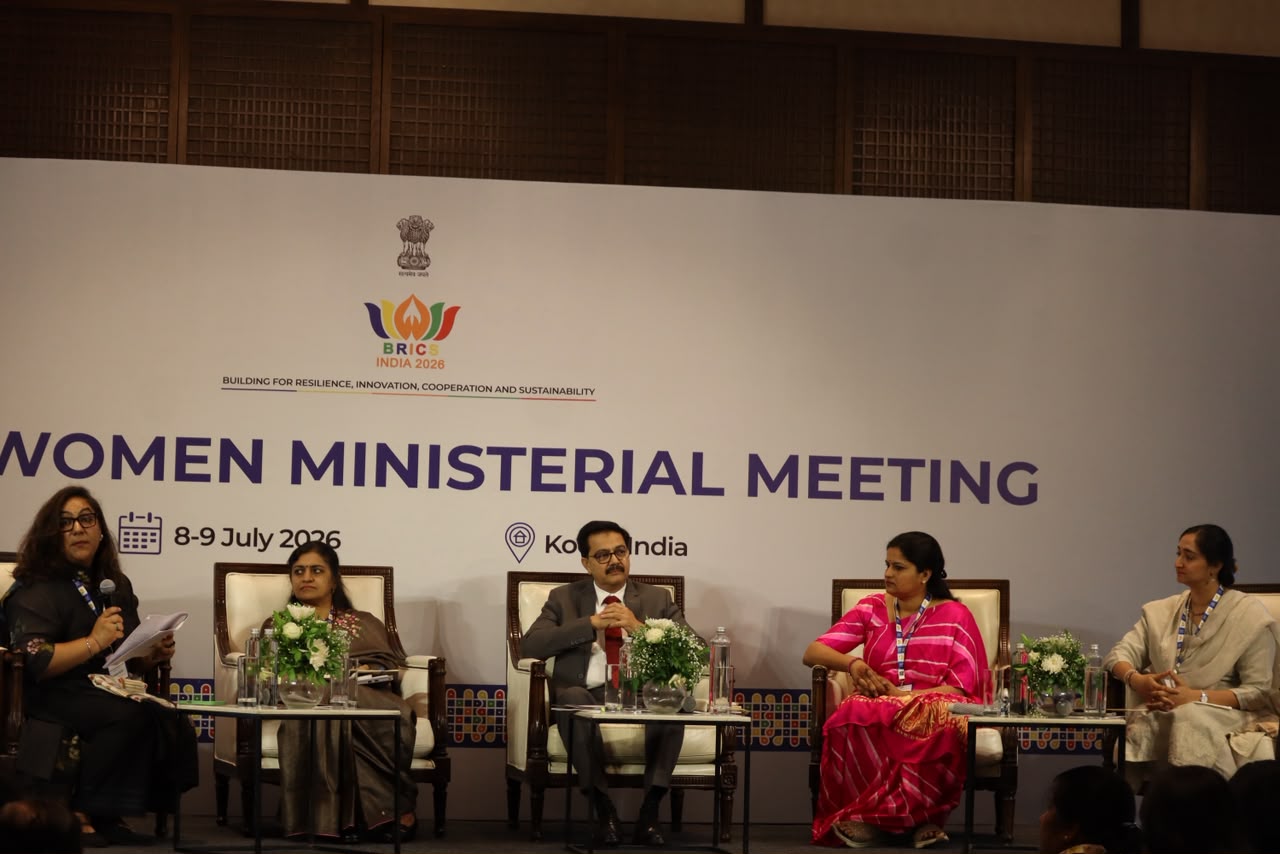
Emphasising that meaningful representation must be complemented by sustained institutional support, Shri Bharadwaj highlighted the Ministry’s Sashakt Panchayat Netri Abhiyan, a dedicated capacity-building initiative designed to address the specific leadership needs of elected women representatives. Launched in March 2025, the initiative has already trained around 1.5 lakh elected women representatives, equipping them with the knowledge, skills and confidence required to effectively lead local governments and drive community development.
He further underlined the Ministry’s commitment to fostering genuine women’s leadership by addressing the challenge of proxy representation in Panchayats through appropriate institutional measures. Shri Bharadwaj also highlighted the initiative to establish a Model Women-Friendly Gram Panchayat in every District of the country. With active support from UNFPA, 744 Gram Panchayats are being developed as models of gender-responsive local governance with a focus on health, nutrition, education, skilling, safety and inclusive public service delivery.
Highlighting India’s pioneering governance innovations, Shri Bharadwaj shared that the Ministry has successfully localised the Sustainable Development Goals into nine citizen-centric themes, enabling Gram Panchayats to translate the global development agenda into locally relevant action. Referring to the Panchayat Advancement Index (PAI) with nearly 150 measurable indicators, he underlined that evidence-based assessment is enabling every Gram Panchayat to benchmark its progress, identify development priorities and accelerate inclusive and sustainable development. He observed that these innovations offer a practical framework for strengthening grassroots governance and hold relevance for countries pursuing locally driven implementation of the Sustainable Development Goals.
The panel also featured distinguished speakers including Ms. Sharmila Mary Joseph, Principal Secretary, Women & Child Development Department, Government of Kerala, Ms. Neeru Yadav, Sarpanch, Lambi Ahir Gram Panchayat, Rajasthan, and Ms. Bhakti Sharma, former Sarpanch, Barkhedi Abdullah Gram Panchayat, Madhya Pradesh, who shared valuable perspectives and experiences on advancing women's leadership through decentralised governance, community participation and responsive local institutions.
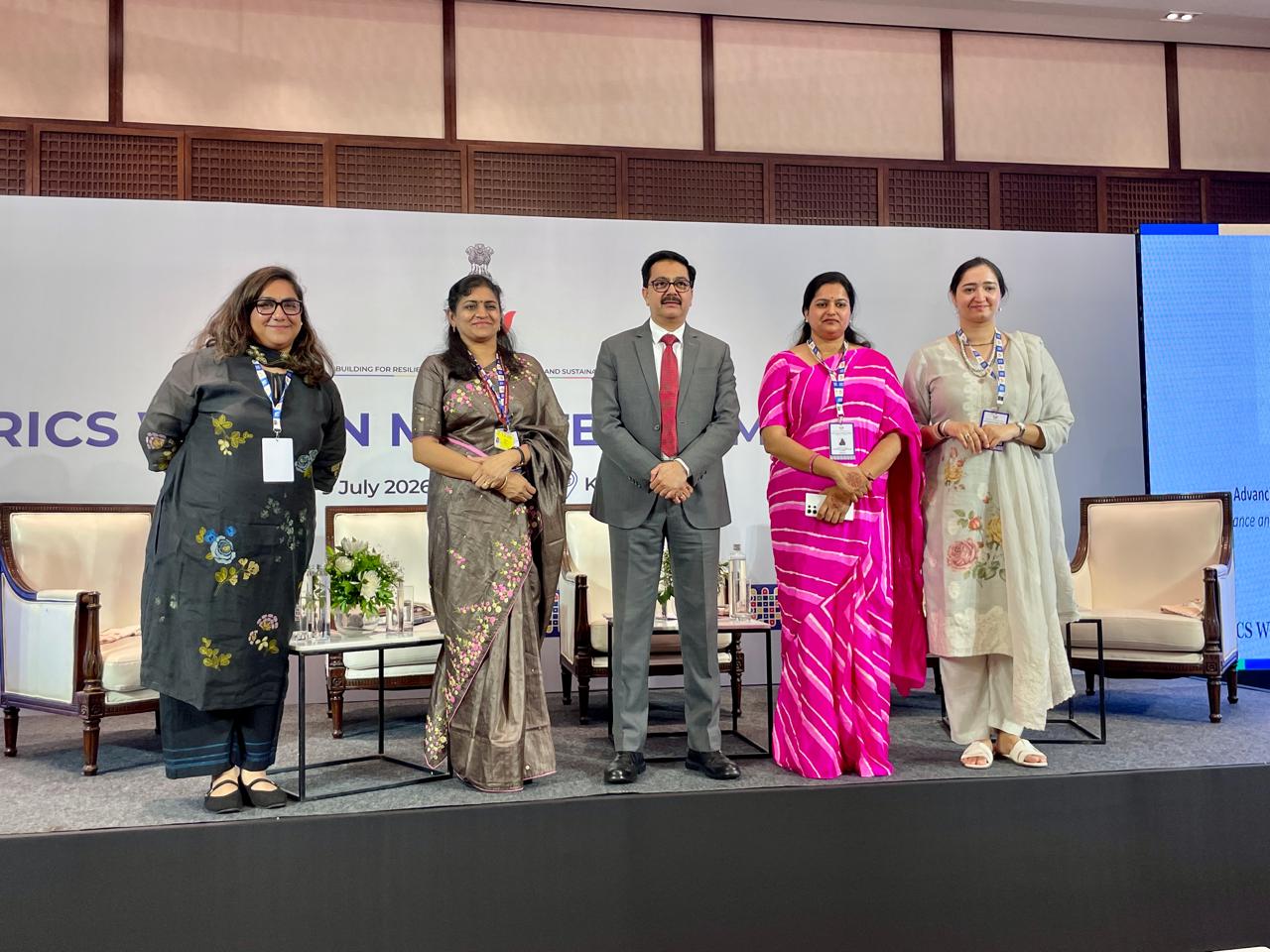
Concluding the discussion, Shri Bharadwaj emphasised that empowering women at the grassroots is fundamental to building responsive institutions, resilient communities and sustainable societies. He noted that India’s experience demonstrates how constitutional decentralisation, sustained capacity building and data-driven governance can transform local institutions into engines of inclusive development. The deliberations reaffirmed the shared commitment of BRICS countries to strengthening women’s leadership as a catalyst for achieving the Sustainable Development Goals and advancing people-centric, inclusive and sustainable development.
SKY/GG
***
(रिलीज़ आईडी: 2282512)
आगंतुक पटल : 1592