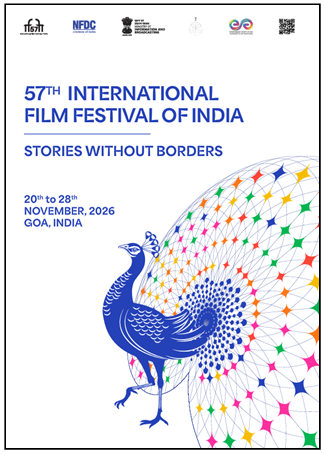
Source: Ministry of Information and Broadcasting
|
Cinema has a unique way of bringing people together. A story from a remote village can move audiences thousands of miles away. A film in an unfamiliar language can evoke emotions everyone understands. Beyond geographical boundaries and cultural differences, stories find ways to connect people. Film festivals make these connections possible, bringing diverse voices, fresh perspectives and new talent onto one stage.
This spirit of storytelling takes centre stage at the 57th International Film Festival of India (IFFI). The festival returns to Goa from 20 to 28 November 2026. Its theme, Stories Without Borders, celebrates cinema's power to connect people across cultures and countries. Over nine days, the festival will bring together filmmakers, emerging talent and cinema enthusiasts from around the world.
Yet, IFFI is about more than the films audiences watch. For a young filmmaker, it could mean a first encounter with the global film industry. For a regional storyteller, it could mean reaching audiences beyond familiar linguistic and cultural boundaries. For an independent filmmaker, it could open doors to new collaborations and opportunities. Through its various initiatives, IFFI continues to nurture talent, celebrate India's cinematic diversity and strengthen global connections.
Nurturing the Next Generation of Storytellers
Every filmmaker begins somewhere, often with an idea and the determination to bring it alive. Turning that idea into a film requires more than creativity. It demands technical skills, collaboration, industry exposure and opportunities to demonstrate one's abilities. For aspiring filmmakers, IFFI offers a chance to take these important steps.
At the centre of this effort is Creative Minds of Tomorrow (CMOT), introduced in 2021. Its sixth edition at IFFI 2026 will bring together 100 young talents across 13 filmmaking crafts. These range from direction, cinematography and scriptwriting to sound recording, costume design and visual effects. The initiative recognises that filmmaking depends on many creative disciplines working together.
Participants will engage in masterclasses, workshops and conversations with established film professionals. A 48-hour filmmaking challenge will test their ability to turn ideas into completed films. The programme also includes the CMOT Talent Camp where participants will pitch creative concepts and explore opportunities across the media and entertainment industry. Together, these activities provide practical experience and exposure beyond conventional classroom learning.
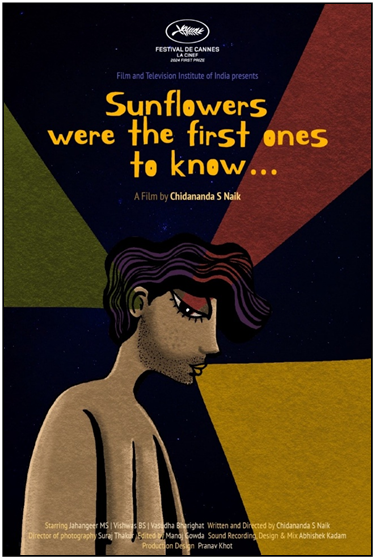
Source: Ministry of Information and Broadcasting
|
The initiative has already seen young filmmakers progress to international recognition. Chidananda S. Naik, a CMOT participant in 2022, offers a notable example. His short film, Sunflowers Were the First Ones to Know, made as a student of the Film and Television Institute of India (FTII), won the La Cinef Award at Cannes in 2024. A Kannada-language film inspired by Indian folk stories and traditions, it demonstrated the international appeal of locally inspired storytelling. His journey illustrates the possibilities available to emerging Indian filmmakers.
The 2026 festival also places considerable emphasis on new voices across its film selections. It will feature 52 women filmmakers and 62 debut filmmakers from India and abroad. Among them, 10 women filmmakers and 12 debut filmmakers will feature in competitive sections. Seven films from different countries, India's The Sledge and Birds on Ice among them, will also compete in the Best Debut Feature Films Competition. Such platforms provide opportunities for first-time directors to present their work alongside established filmmakers.
IFFI creates space for talent at different stages of development. While some participants are learning the craft, others are seeking recognition for their first films. The festival brings them together, allowing fresh ideas and emerging voices to find wider audiences.
Indian Panorama: Films in Many Indian Languages
India's cinematic landscape is as varied as the communities and cultures that shape it. Beyond mainstream cinema, countless stories emerge from the country's regional languages and filmmaking traditions. Some explore familiar human experiences, while others reveal lives rarely represented on screen. Bringing these different perspectives together has long been an important part of IFFI.
Indian Panorama, introduced in 1978, plays a central role in this effort. This flagship IFFI section showcases outstanding contemporary Indian feature and non-feature films.
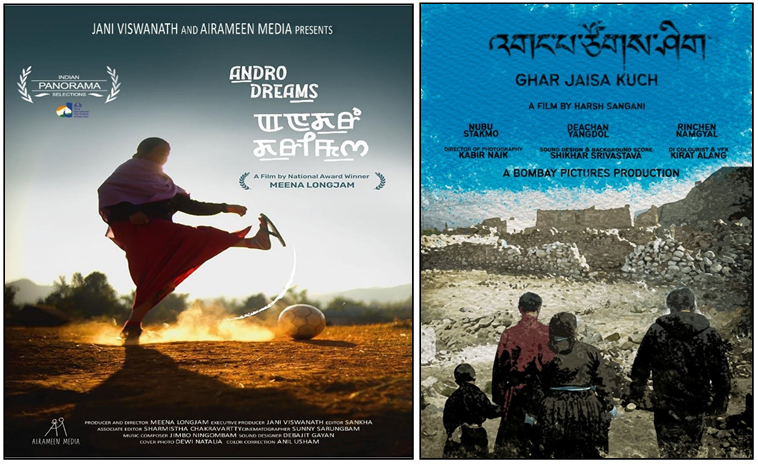
Source: Ministry of Information and Broadcasting
|
Over the years, Indian Panorama has brought several distinctive regional narratives into the spotlight. At IFFI 2023, Manipuri documentary Andro Dreams opened the non-feature section. Directed by Meena Longjam, it followed an all-girls football club in rural Manipur. The film explored women's determination amid financial difficulties and deeply rooted social barriers. In 2024, the Ladakhi short film Ghar Jaisa Kuch achieved another milestone. It became the first Ladakhi film to open Indian Panorama's non-feature section. Director Harsh Sangani's film explored displacement, belonging and the longing for home.
The diversity continued in 2025, with films representing both established and lesser-represented cinematic traditions. Tamil film Amaran was selected to open the feature section, and Hindi film Kakori the non-feature section. Selections also included Vimukt in Braj, Imbu in Tulu and Oitharei in Manipuri. These films reflected the growing linguistic range of stories presented through Indian Panorama.
The 57th IFFI carries this tradition forward with 25 feature and 20 non-feature films. These were selected from 404 feature entries and 358 non-feature entries, respectively. In all, the Indian Cinema section will screen 76 films in 18 languages. The Ladakhi film Becoming, directed by Leena Yadav, will open the non-feature section alongside the opening feature film Dhurandhar, directed by Aditya Dhar. Other selections include Urum in Nyishi, Pili Channe in Tulu and Birds on Ice in Ladakhi. The festival will also highlight Marathi and Malayalam cinema, celebrating their legacies and contemporary voices.
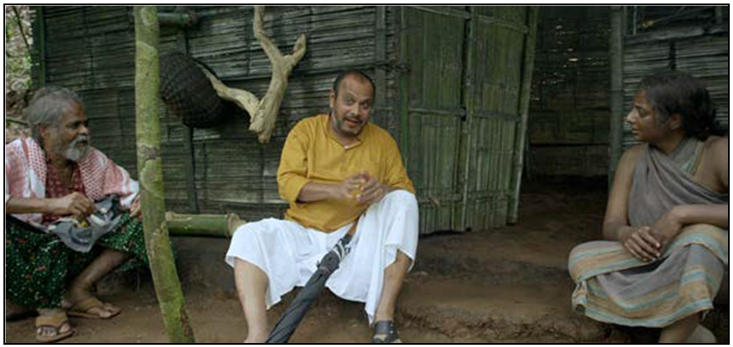
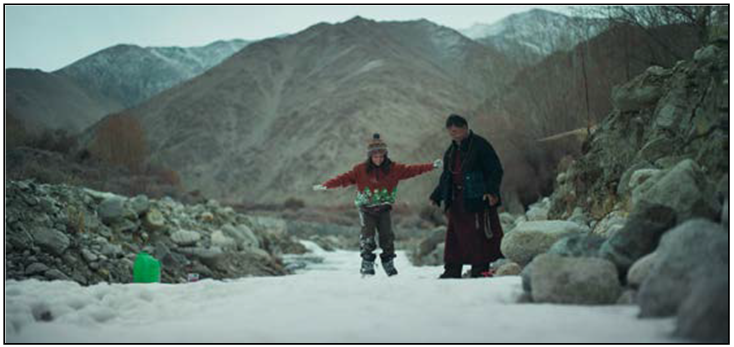
Such selections demonstrate the importance of making room for different voices within Indian cinema. A regional film can introduce audiences to unfamiliar landscapes, traditions and experiences. Yet, its underlying themes may remain deeply relatable. By bringing these stories together, Indian Panorama broadens the understanding of India's cinematic identity. It also gives filmmakers a platform to connect with audiences beyond their immediate regions.
WAVES Film Bazaar and the BRICS Showcase
A film's journey does not end when the final scene is shot. Reaching audiences often requires financial support, industry connections and opportunities beyond familiar markets. For independent filmmakers, finding these opportunities can be particularly difficult. Over the years, IFFI has evolved into a space where such connections can take shape.
One such platform is WAVES Film Bazaar, which celebrates its 20th edition in 2026. Established in 2007, it is South Asia's largest film market, held alongside IFFI in Goa. Unlike a traditional film festival, Film Bazaar focuses on the business and development of cinema. It brings together filmmakers, producers, financiers, distributors and other industry professionals from across the world. Its aim is to help promising film projects find the support needed to reach audiences.
A promising script may need a producer, while an unfinished film may need expert guidance. Another may be ready for distribution but lack access to international buyers. Film Bazaar addresses these different needs through specialised programmes. Its Co-Production Market connects projects with potential collaborators and financiers. The Screenwriters' Lab supports writers, while the Work-in-Progress Lab helps filmmakers refine their films. The Viewing Room, market screenings and a Producers' Lab help filmmakers connect with potential buyers and distributors.
The impact of these efforts can be traced through films associated with the platform. The Lunchbox, Court, Newton and Girls Will Be Girls are among the acclaimed films whose journeys it has contributed to. As Film Bazaar completes two decades, its significance extends beyond individual films. It represents a growing network of opportunities for Indian storytellers seeking international collaborations and audiences.
While Film Bazaar helps films reach new markets, cinema also connects nations through shared experiences. This cultural dimension finds expression in IFFI's BRICS cinema showcase, featuring 21 films in 2026. Bringing together stories from BRICS nations, the programme explores different histories, societies and contemporary realities. It offers audiences opportunities to encounter perspectives shaped by experiences beyond their own.
The selection reflects both the diversity of these societies and the concerns connecting them. Brazil's Amadeo and the Hypothetical New World revisits the struggle against slavery. Indonesia's The Sea Speaks His Name follows the disappearance of a student activist during the country's 1998 people's movement. South Africa's The Trek examines the injustices of the colonial frontier. Though rooted in different histories, these films explore questions of freedom, identity and belonging.
Other films turn towards experiences closer to everyday life. Dreaming of Serenada, a Uganda-UK documentary, approaches climate change through a father-daughter relationship. China's Embers reflects on grief, loss and mortality. Such narratives demonstrate how personal experiences can illuminate larger social concerns. They also reveal how stories from different societies can find common emotional ground.
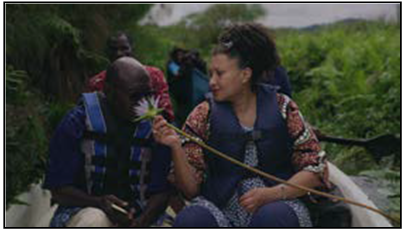

The BRICS showcase reflects cinema's role in fostering cultural understanding and dialogue among nations. It creates space for stories that may otherwise remain unfamiliar to international audiences. Alongside Film Bazaar, it adds another dimension to IFFI's growing global engagement. While one builds professional connections, the other encourages conversations through films and storytelling.
Together, these platforms reflect how IFFI's influence extends beyond the festival's nine days. They bring new possibilities for filmmakers and fresh perspectives for audiences. More importantly, they demonstrate how cinema can connect people through both collaboration and shared experiences.
A Festival Where Stories Begin New Journeys
A film festival is more than its screenings, awards and celebrations. It also creates opportunities and connections that continue beyond the festival. For emerging filmmakers, these encounters can open doors to new possibilities. For regional and independent cinema, they offer a chance to reach wider audiences. Together, these opportunities contribute to an increasingly diverse and globally connected Indian film industry.
The theme Stories Without Borders reflects this, in the stories audiences experience and in the work of those who make them. As the 57th IFFI brings together talent, creativity and cultures, it reinforces cinema's power to connect. A festival's lasting contribution lies in the films it showcases and in what those films and their creators go on to do.
References
Ministry of Information and Broadcasting
https://www.pib.gov.in/PressReleasePage.aspx?PRID=2335780
https://www.iffigoa.org/pdfs/catalogue-57.pdf
https://www.iffigoa.org/cmot/about-cmot
https://www.pib.gov.in/PressReleasePage.aspx?PRID=2021475
https://www.pib.gov.in/PressReleasePage.aspx?PRID=2070656
https://www.iffigoa.org/index.php/indian-panorama/about-ip
https://www.pib.gov.in/PressReleasePage.aspx?PRID=1978678
https://www.pib.gov.in/PressReleasePage.aspx?PRID=2075681
https://www.pib.gov.in/PressReleasePage.aspx?PRID=2187868
https://www.pib.gov.in/PressReleasePage.aspx?PRID=2336235
https://www.pib.gov.in/PressReleasePage.aspx?PRID=2337040
https://www.pib.gov.in/PressReleasePage.aspx?PRID=2336497
https://www.pib.gov.in/PressReleasePage.aspx?PRID=2336493
https://www.pib.gov.in/PressReleasePage.aspx?PRID=2174755
https://www.pib.gov.in/PressReleasePage.aspx?PRID=2336218
Click here to see pdf
****
PIB Research