Posted On:
01 SEP 2026 5:14PM by PIB Delhi
For centuries, the Ganga has been woven into India’s civilisation, culture and everyday life.
It has nurtured communities, supported livelihoods and inspired traditions across generations. Over time, however, growing cities, pollution and unplanned urbanisation placed increasing pressure on the river. This highlighted the need to strengthen its ecological health and people’s relationship with it. Reviving the Ganga, therefore, calls for more than cleaning its water. This broader understanding shapes the Namami Gange Programme (NGP), launched in 2014.
The programme is an Integrated Conservation Mission for the Ganga and its tributaries. It brings together pollution abatement, conservation and river rejuvenation. NGP’s work extends across sewage treatment, riverfront development, afforestation, etc. Scientific monitoring and public awareness further strengthen this integrated effort. Yet, lasting transformation depends on a partner that no programme can do without. That partner is the community itself. This belief gave rise to Jan Ganga, the public participation pillar of Namami Gange. Inspired by the vision of Jan Bhagidari, it places people at the centre of conservation. This is where Namami Gange becomes a story of people. A story that moves from awareness to participation, and ultimately towards ownership.
United by the River: Celebrating Stories of Participation
A river can bring people together in ways that extend beyond environmental action. Its banks become spaces where communities meet, participate and celebrate their shared connection. Jan Ganga creates such opportunities through cleanliness drives, plantation campaigns and educational initiatives. These activities turn conservation into a collective experience rather than an isolated responsibility.
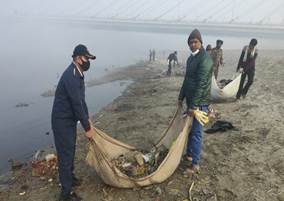
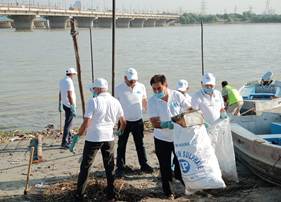
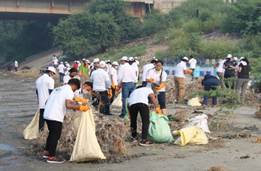
One of the clearest expressions of this participation under NGP is river cleanliness. The Ganga Swachhta Pakhwada has become an important platform for spreading this message. Observed annually from 16th to 31st March, it is a fortnight-long event that reaches thousands of people across the five main-stem Ganga basin States. These include Uttarakhand, Uttar Pradesh, Bihar, Jharkhand and West Bengal. It also covers the National Capital Territory of Delhi and towns along Ganga’s tributaries. Students, volunteers, community groups and other stakeholders participate in coordinated efforts to strengthen public engagement with river conservation.
This momentum is further sustained through regular weekly cleanliness drives along the Yamuna in Delhi. These drives contribute directly to cleaner river stretches and surrounding areas. Together, such efforts are helping make river conservation a regular civic practice rather than an activity limited to designated occasions.
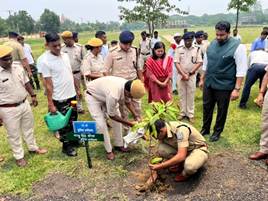
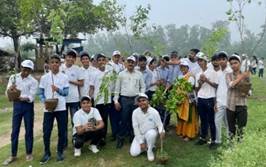
As communities care for cleaner river stretches, their attention also extends to riverbanks. Plantation has consequently become an integral part of public participation under Namami Gange. Healthy vegetation helps stabilise riverbanks and reduce soil erosion. These ecological benefits strengthen the resilience of rivers and their surrounding habitats.
Complementing this, the ‘Ek Ped Maa Ke Naam’ campaign has deepened participation in plantation activities. The campaign encourages people to plant trees as heartfelt tributes to their mothers. It also connects personal emotion with a shared responsibility towards environmental conservation. The powerful connection has encouraged individuals, families and communities to participate with renewed purpose. This spirit is also reflected in the way World Environment Day brings citizens together. Through plantation drives, awareness activities and community initiatives, the occasion further strengthens public participation in environmental conservation.
A movement also becomes stronger when its values reach the next generation. This makes youth engagement an important part of Jan Ganga. Schools, colleges and universities now offer diverse avenues for environmental learning and creative expression. Students explore river-related themes through essays, paintings, posters, debates and interactive awareness programmes.
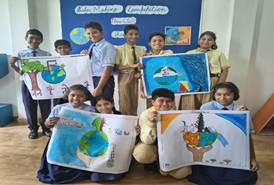
Experiential activities provide opportunities to connect classroom knowledge with real-world ecological challenges. University Ganga Clubs extend this involvement through lectures, field visits, volunteering and outreach initiatives. Eco-clubs, NCC units and educational institutions provide additional platforms for sustained participation. Together, these efforts foster informed young citizens committed to protecting rivers beyond textbooks and classrooms.
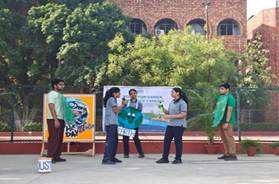
The Namami Gange Programme has integrated river conservation into several annual observances.
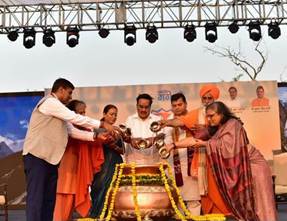
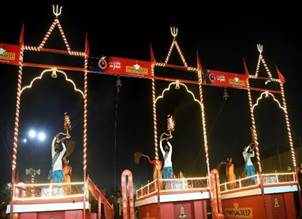
These occasions keep people connected with rivers throughout the year. Among them, Ganga Utsav stands out as a flagship platform for community engagement. It commemorates the Ganga’s recognition as India’s National River. This brings together performances, exhibitions, art contests and public dialogues, creating spaces for participation and shared expression. Other observances, including Swachhta Hi Seva and International Day of Yoga, further expand opportunities for public involvement. They reinforce the enduring cultural relationship between people and rivers.
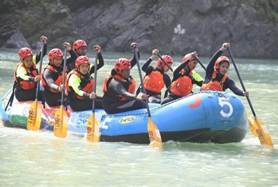
A deeper connection with rivers often emerges through direct experience rather than awareness alone. The Namami Gange Programme has created innovative initiatives to bring the spirit of river conservation into public life. A notable example was the Border Security Force’s all-women river rafting expedition along the Ganga. The journey covered the river from its upper reaches to the sea, showcasing courage, collaboration and environmental commitment. It presented the Ganga as more than a natural resource. Interactions with students, residents and young volunteers created spaces for conversation.
Across the Ganga basin, Ganga Praharis have become committed community volunteers supporting conservation efforts at the grassroots. They work with residents to spread environmental awareness, encourage responsible practices and safeguard local biodiversity. Ganga Seva Doots complement these efforts by extending outreach across schools, institutions and neighbourhoods. Through awareness drives and local initiatives, they help bring river conservation closer to everyday community life. Protecting aquatic life, restoring habitats and maintaining ecological balance further strengthens people’s connection with the river. Together, these volunteer networks reflect the spirit of Jan Bhagidari through citizen-led action. Their efforts demonstrate how informed communities can become enduring guardians of rivers and their surrounding ecosystems.
Creating a Culture of River Stewardship
The most lasting legacy of river rejuvenation is not only a healthier river, but a stronger relationship with it. Infrastructure can restore river health, scientific interventions can strengthen ecosystems and technology can improve monitoring and management. Yet the long-term future of rivers depends upon something that cannot be created through engineering alone. Through Jan Ganga, the Namami Gange Programme has demonstrated that each effort contributes to a larger transformation. It is far more than an environmental mission. Guided by the vision of Jan Bhagidari, it shows how collective action can become the foundation of sustainable development.
References
Ministry of Jal Shakti
https://www.jalshakti-dowr.gov.in/offerings/schemes-and-services/details/namami-gange-AO5ATNtQWa
https://www.pib.gov.in/PressReleasePage.aspx?PRID=2109118®=48&lang=2
Ministry of Culture
https://amritkaal.nic.in/event-campaign-detail?98
Click here to see PDF
*****
PIB Research