Posted On:
03 JUN 2026 9:42PM by PIB Delhi
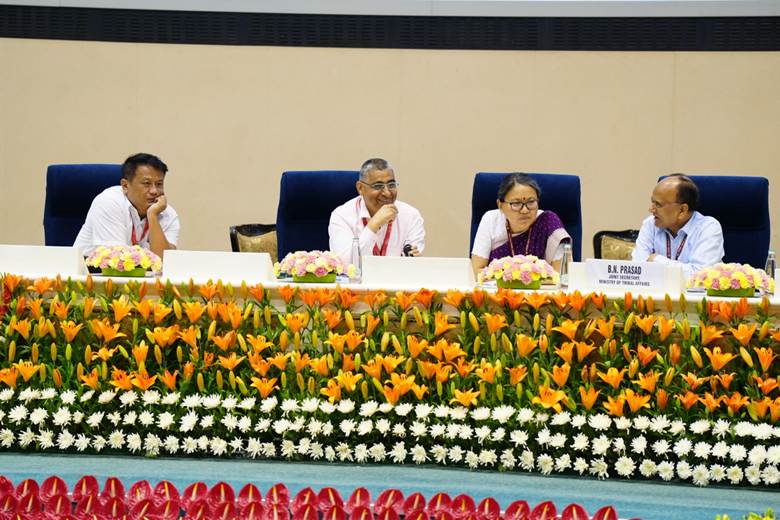
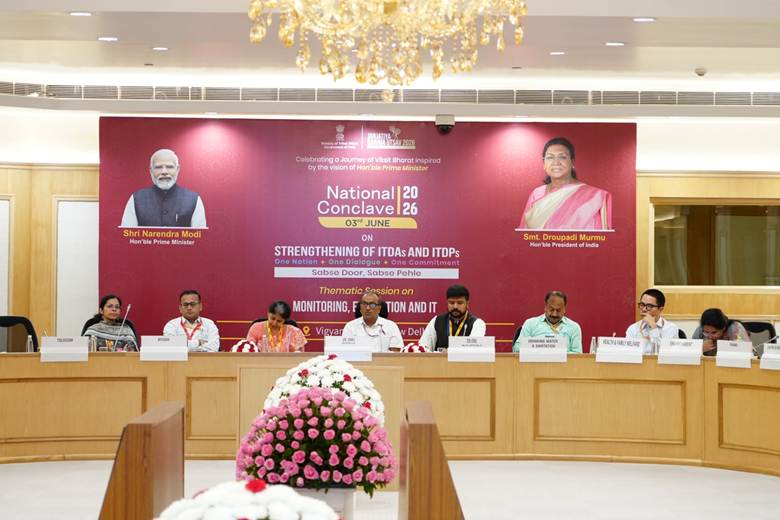
The Ministry of Tribal Affairs, Government of India, today convened the National Conclave on Strengthening Integrated Tribal Development Agencies and Projects (ITDAs/ITDPs) at Vigyan Bhawan, New Delhi. The Conclave brought together Project Officers, Directors and senior officials from ITDAs/ITDPs across the country, along with representatives of State Governments and the Ministry, to deliberate on a comprehensive roadmap for strengthening tribal development institutions and improving last-mile service delivery in tribal areas.
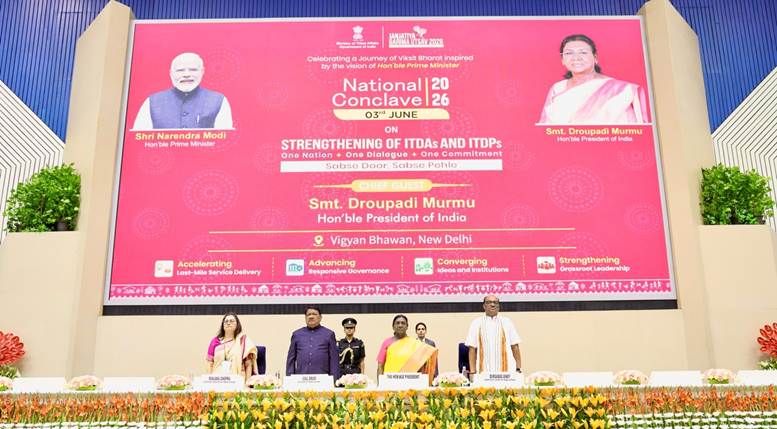
The Conclave comes at a time when tribal development in India has witnessed unprecedented momentum. Over the past 12 years, under the visionary leadership of the Hon’ble Prime Minister, the Ministry of Tribal Affairs has spearheaded transformative initiatives aimed at advancing socio-economic development, educational empowerment, and inclusive growth among tribal communities. Key achievements include the expansion of the EMRS network to 499 functional schools, scholarship support of over ₹22,000 crore benefiting nearly 30 lakh tribal students annually, the launch of transformational initiatives such as PM-JANMAN and DAJGUA with a combined outlay exceeding ₹1 lakh crore, and a threefold increase in the Ministry’s annual budget from ₹4,295 crore to approximately ₹13,000 crore. Complementing these efforts, nationwide ongoing initiative such as Janjatiya Garima Utsav (May 10 – June 09), and the recently concluded Jan Bhagidari Abhiyan – Sabse Door, Sabse Pehle have further strengthened community participation, outreach, and awareness, ensuring that the benefits of development reach even the most remote tribal habitations.
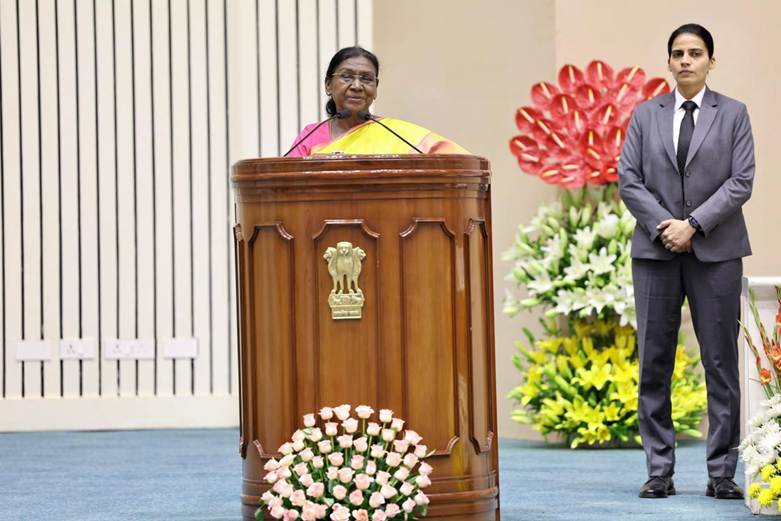
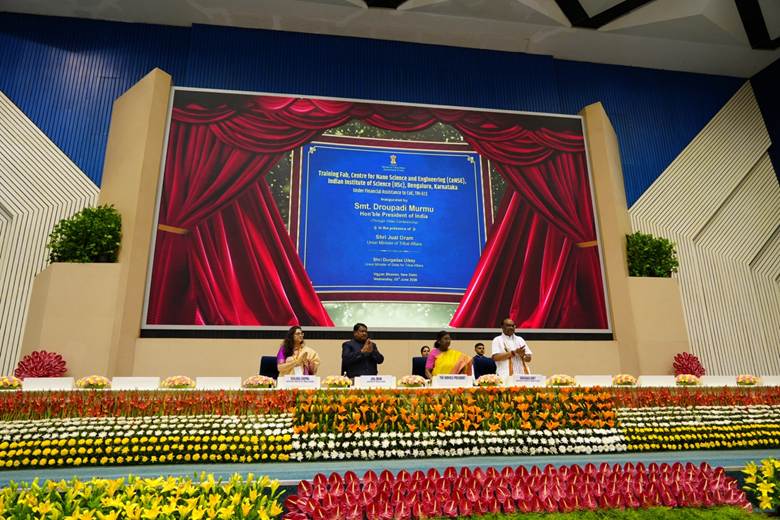
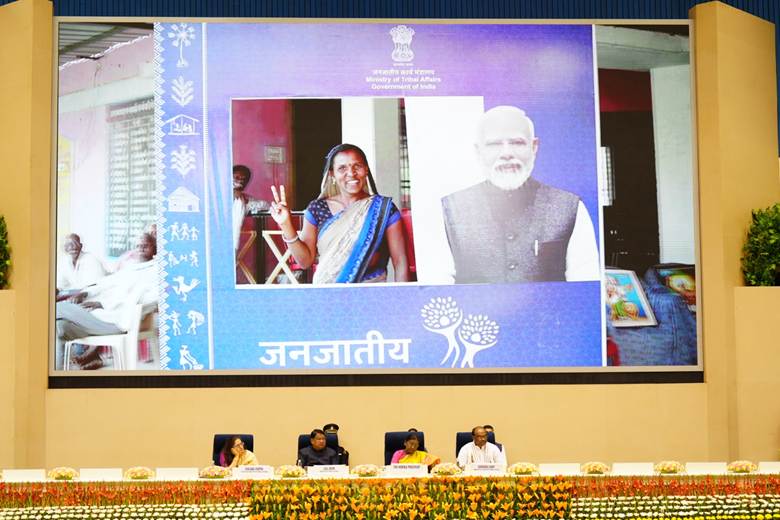
Smt. Droupadi Murmu, Hon’ble President of India, graced the inaugural session and inaugurated three landmark initiatives under Janjatiya Garima Utsav 2026 — the Training Fab at the Centre for Nano Science and Engineering (CeNSE), Indian Institute of Science (IISc), Bengaluru; Space Labs in 75 Eklavya Model Residential Schools (EMRSs) across the country; and the documentary film Sabse Door, Sabse Pehle. In her address, the Hon’ble President reaffirmed the nation’s commitment to ensuring that no tribal citizen is left behind in the journey towards Viksit Bharat.
The Training Fab at the Centre for Nano Science and Engineering (CeNSE), Indian Institute of Science (IISc), Bengaluru is India’s first dedicated semiconductor microfabrication training fab and will provide hands-on skilling to students and professionals, helping create a pipeline of industry-ready talent for the country’s growing semiconductor ecosystem. The Ministry contributed ₹4.7 crore towards the establishment of the cleanroom infrastructure and specialised training equipment.
The establishment of Space Labs in 75 EMRSs across 18 States marks a significant initiative of the Ministry of Tribal Affairs, implemented with the support of Bharat Petroleum Corporation Limited (BPCL) under its Corporate Social Responsibility (CSR) framework, with a financial commitment of approximately ₹12 crore. Developed under the technical guidance of ISRO-recognised Space Tutor agencies, the initiative is expected to directly benefit nearly 50,000 tribal students. The Space Labs are designed to promote experiential learning, scientific inquiry and innovation among tribal students, while opening pathways to emerging careers in STEM disciplines, including aerospace, astronomy, satellite technology and artificial intelligence. Highlighting the importance of scientific education, the Hon’ble President stated that more such laboratories should be established to expand access to advanced learning opportunities for tribal students across the country.
The Hon’ble President also launched the short film Sabse Door, Sabse Pehle, showcasing the Jan Bhagidari Abhiyan organised from 18 May to 25 June 2026 under Janjatiya Garima Utsav. The campaign has taken government services directly to tribal communities residing in some of the country's most remote locations through an unprecedented mobilisation effort.
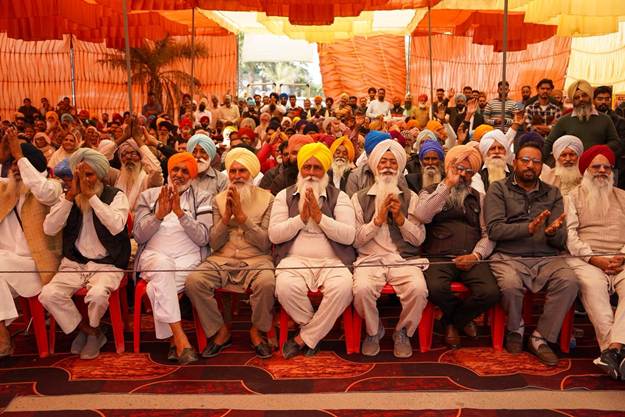
Addressing the gathering, Shri Jual Oram, Hon’ble Union Minister for Tribal Affairs, spoke about the Government’s vision of positioning tribal communities not merely as beneficiaries of welfare schemes but as equal partners in the building of Viksit Bharat. Recalling the historic role of ITDAs in bridging development gaps in tribal and forest-dependent regions, he observed that the time had come for a structural transformation in the staffing, funding and accountability mechanisms of these institutions.
He announced that the Ministry is exploring a dedicated capacity-building framework for ITDA functionaries to equip Project Officers and field-level personnel with modern governance skills, digital tools and exposure to best practices. He underscored the importance of convergence among departments, noting that coordinated area-based planning led by ITDAs delivers significantly greater outcomes than isolated scheme implementation. Reiterating the Ministry’s commitment to supporting States, he expressed confidence that the National Roadmap emerging from the Conclave would guide tribal governance reforms over the coming decade.
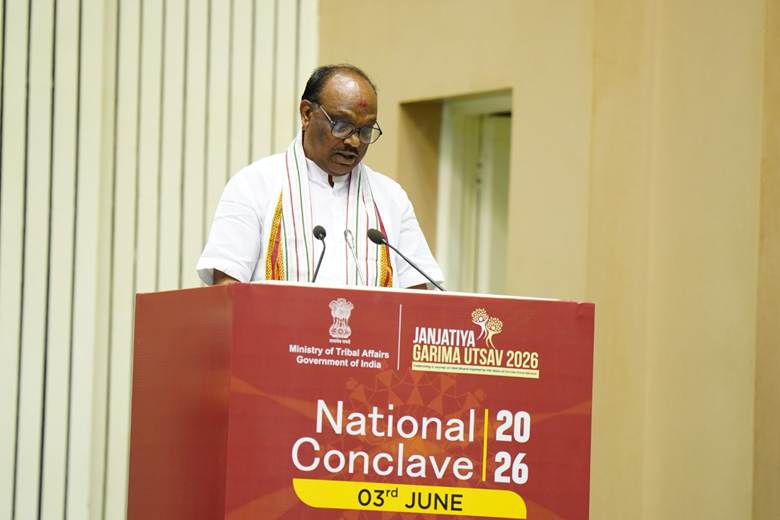
Shri Durgadas Uikey, Hon’ble Union Minister of State for Tribal Affairs, highlighted that ITDAs constitute one of the most important pillars of India’s tribal governance architecture and that their effectiveness directly influences the quality of life of crores of Scheduled Tribe citizens. He noted that under the leadership of the Hon’ble Prime Minister, tribal welfare investments have expanded significantly through flagship initiatives such as PM-JANMAN and the Dharti Aaba Janjatiya Gram Utkarsh Abhiyan (DAJGUA).
He emphasised that increased resource allocation must be matched by stronger institutional capacity to ensure effective last-mile delivery. Strengthening ITDAs, he stated, is central to fulfilling the constitutional commitment towards Scheduled Tribes. He urged Project Officers to view themselves not merely as administrators but as agents of transformation and to carry forward the recommendations of the Conclave with commitment and urgency.
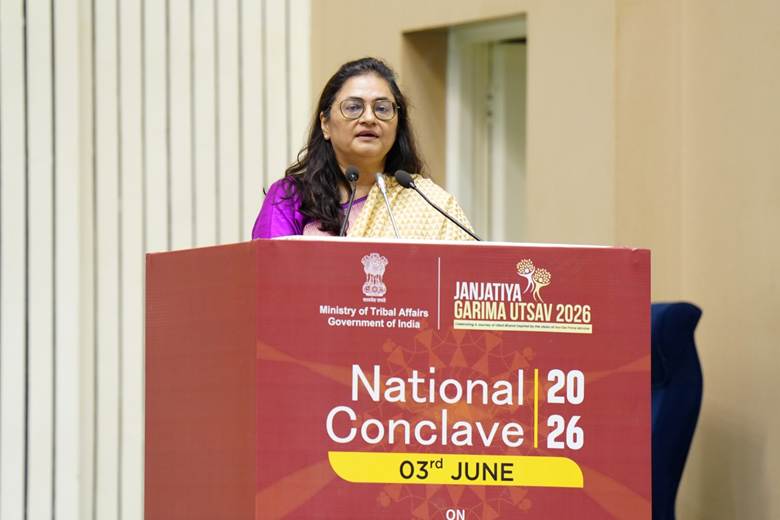
Delivering the welcome address, Smt. Ranjana Chopra, IAS, Secretary, Ministry of Tribal Affairs, traced the evolution of ITDAs from Tribal Sub-Plan administrative units to integrated platforms for tribal development. She observed that while ITDAs collectively serve the largest concentration of Scheduled Tribe populations in the country, institutional capacities remain uneven due to staffing gaps, limited convergence, inconsistent fund utilisation and inadequate adoption of technology.
She noted that the Conclave was conceived not as a review exercise but as a forward-looking dialogue aimed at generating actionable recommendations for implementation by States and the Ministry. Calling upon participants to engage constructively in the thematic discussions, she expressed confidence that the deliberations would mark a significant step towards strengthening tribal development institutions nationwide.
A key highlight of the Conclave was the presentation by Dr. Varnali Deka, IAS, Director, Ministry of Tribal Affairs, on the Draft Short-, Mid- and Long-Term Roadmap for Strengthening ITDAs and ITDPs. The roadmap was developed through an extensive consultation process comprising State-level workshops, field visits and interactions with Project Officers, tribal communities and State Government representatives across Andhra Pradesh, Telangana, Rajasthan, Maharashtra, Gujarat, Kerala, Karnataka, Tamil Nadu, Odisha, Chhattisgarh and Jharkhand.
Dr. Deka also highlighted the Ministry’s commitment to leveraging emerging technologies in alignment with the M.A.N.A.V. framework — Moral and Ethical Systems, Accountable Governance, National Sovereignty, Accessible and Inclusive AI, and Valid and Legitimate Systems — articulated by the Hon’ble Prime Minister at the India AI Impact Summit. She noted that the framework would guide the Ministry’s use of AI-based tools for monitoring, beneficiary tracking and grievance redressal while ensuring transparency, accountability and inclusivity.
Shri Jafar Malik, IAS, Deputy Secretary, Ministry of Tribal Affairs, led consultations across several of these States, anchoring the Ministry’s field engagement process. The roadmap synthesises lessons, challenges and best practices emerging from these consultations and proposes reforms in institutional capacity, human resources, fund flow mechanisms, convergence and monitoring systems.
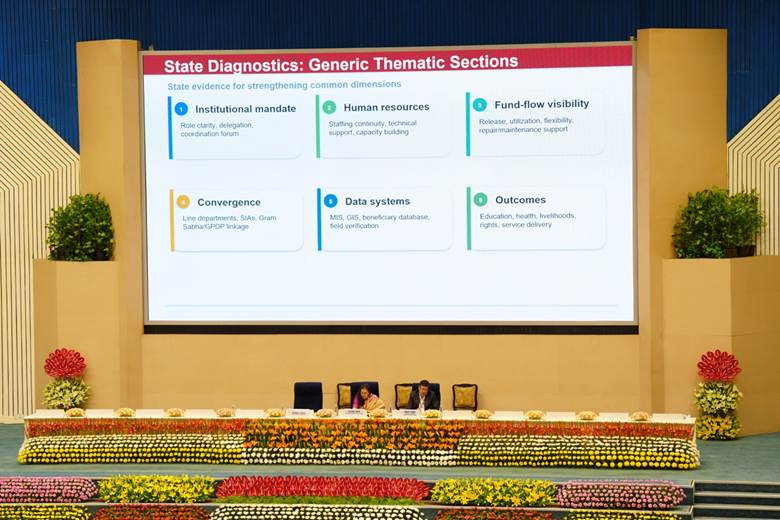
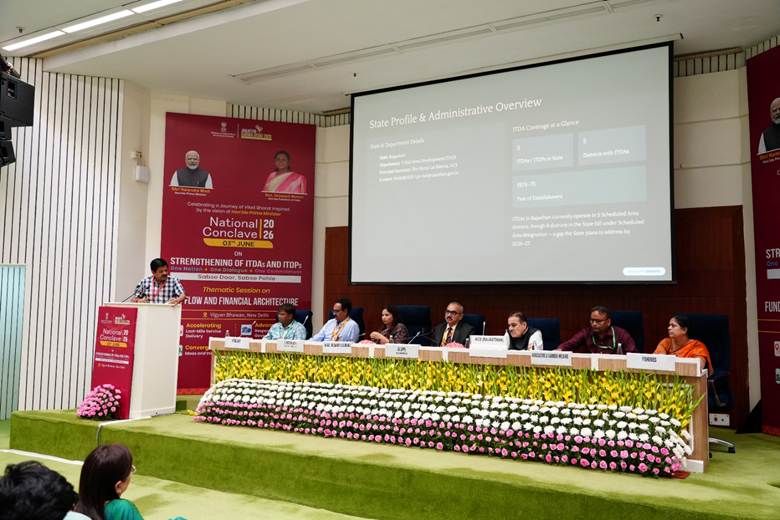
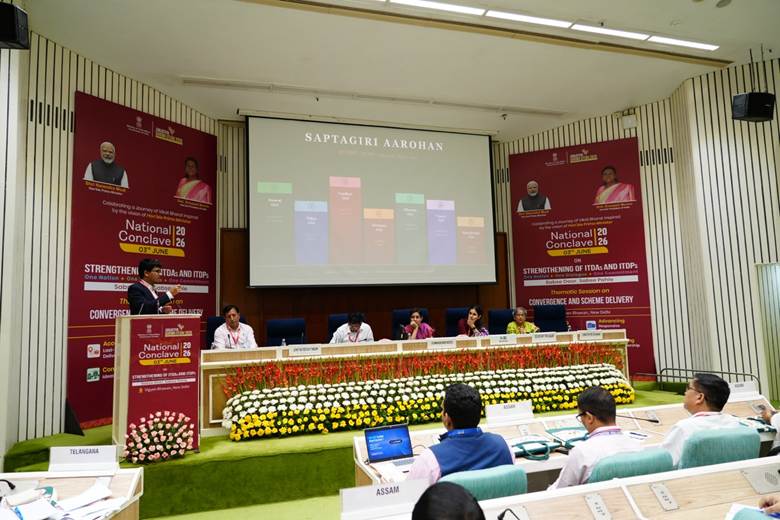
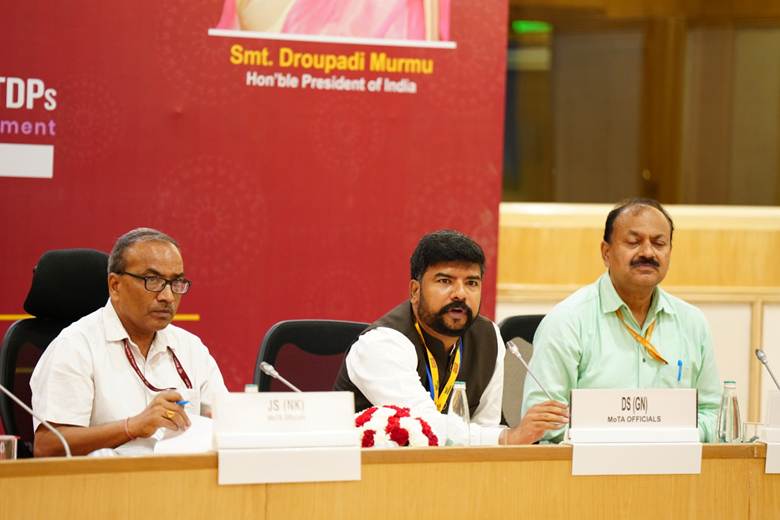
The Conclave featured four thematic Breakout Groups that deliberated on: (i) Institutional Framework and Human Resources; (ii) Fund Flow and Financial Architecture; (iii) Monitoring, Evaluation and IT Systems; and (iv) Convergence and Scheme Delivery. Recommendations from the groups were subsequently presented during a plenary session.
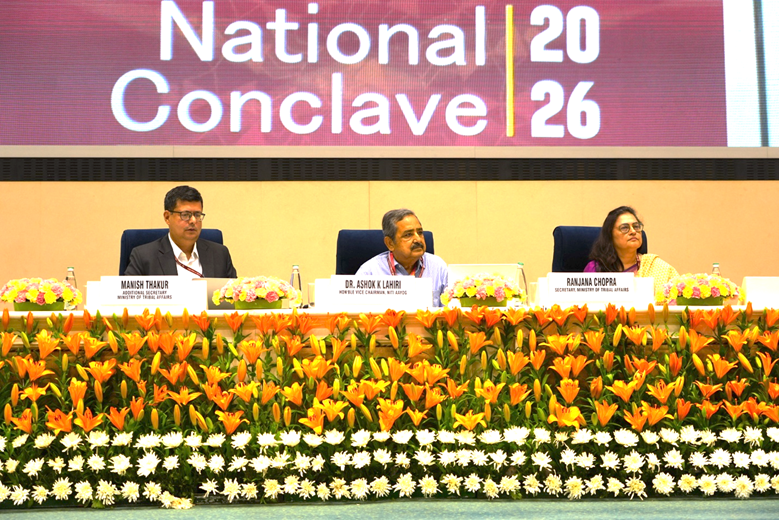
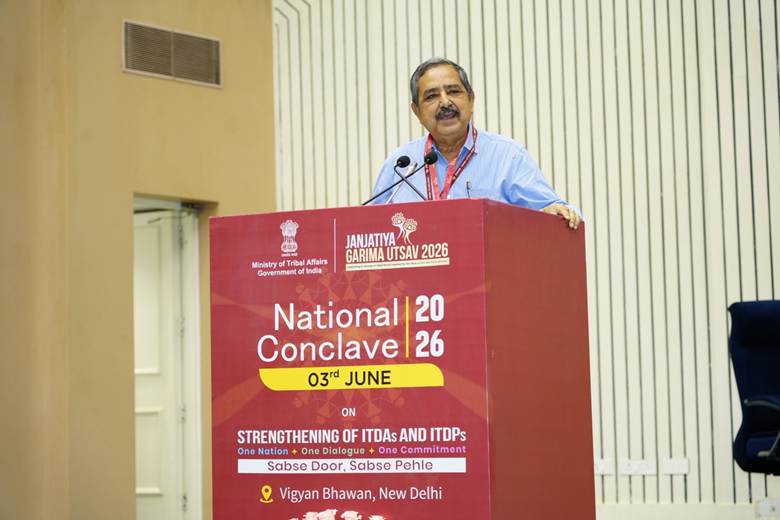
The valedictory session was graced by Dr. Ashok Kumar Lahiri, Vice Chairman, NITI Aayog, who commended the Ministry’s systematic approach towards strengthening tribal delivery institutions and emphasized the importance of evidence-based and data-driven governance in tribal areas.
Shri Manish Thakur, IAS, Additional Secretary, Ministry of Tribal Affairs, delivered the valedictory address and presented the Evidence-Weighted ITDA Diagnostic Scoring Framework designed to translate the Conclave’s deliberations into a credible national reform roadmap. The framework assesses 214 ITDAs across 17 States and Union Territories on 15 parameters spanning five institutional domains — Authority, Staff, Planning, Rights and Outcomes.
He also unveiled a five-level ITDA Maturity Model, ranging from a basic administrative office at Level 1 to a rights-linked, data-driven institution at Level 5, and called upon ITDAs to function as integrated area-development institutions coordinating across education, health, livelihoods, infrastructure, rights and digital governance systems.
Summarising the vision emerging from the Conclave, he stated: “Strengthen the weak. Scale the strong. Standardise what works. Support what is difficult.” States will be requested to nominate ITDA nodal officers and submit baseline data to support finalisation and dissemination of the National Roadmap.
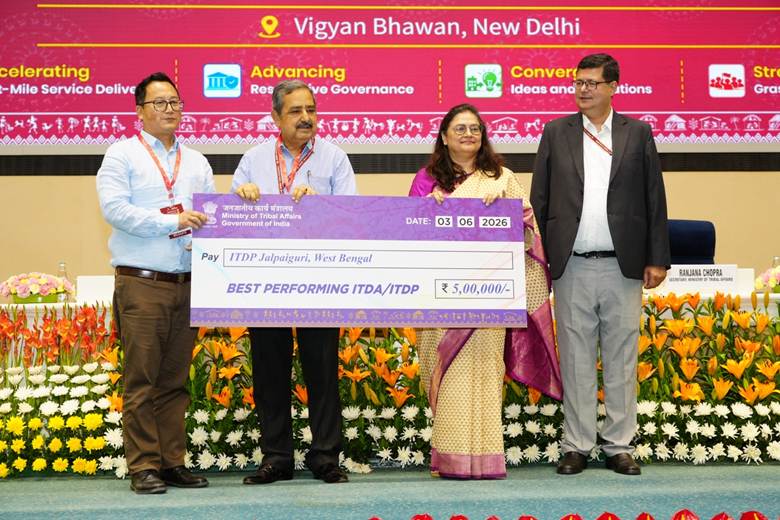
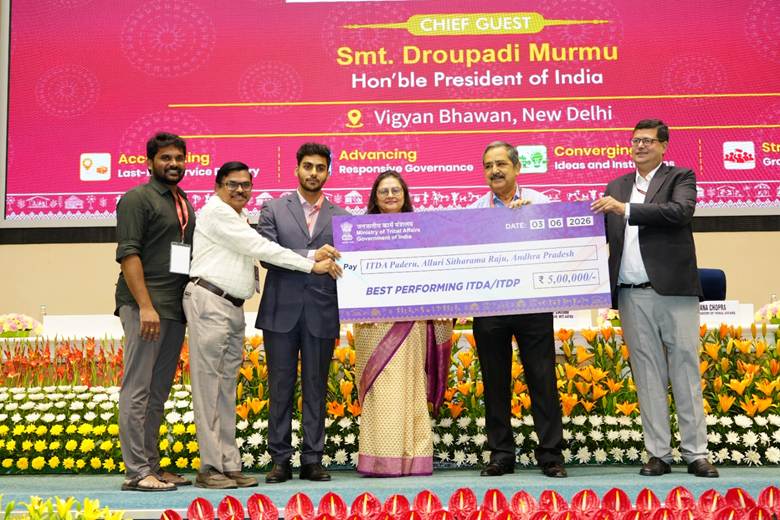
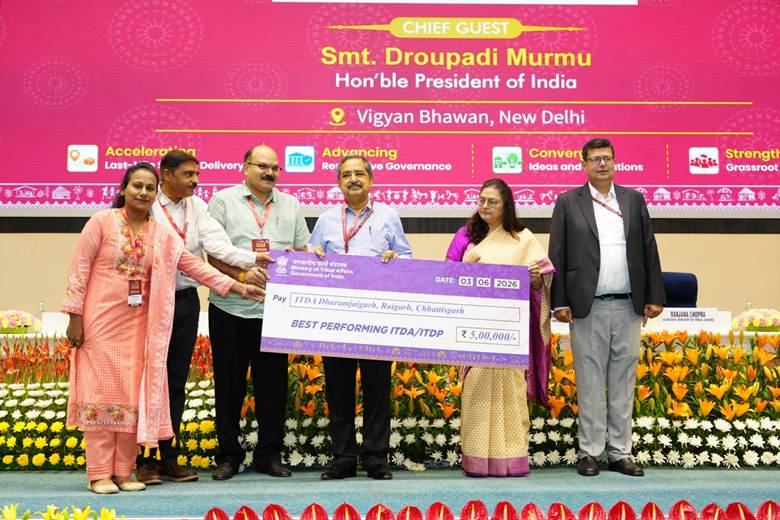
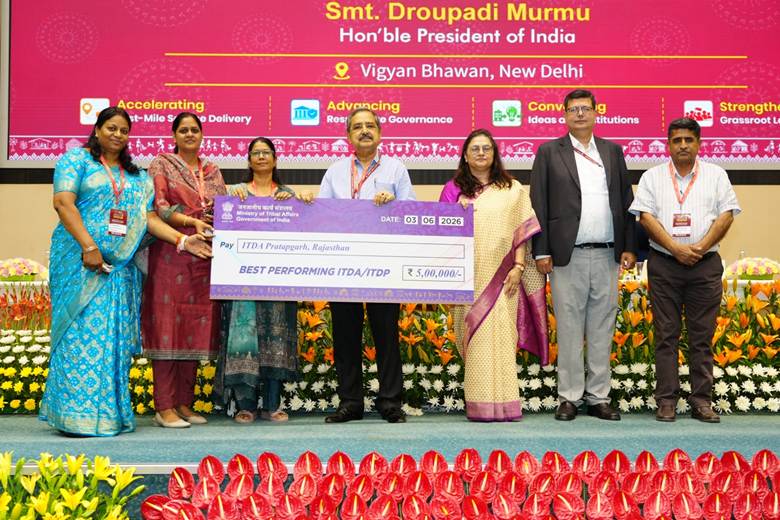
The Conclave also featured Awards for Top Performing ITDAs/ITDPs, recognising Project Officers and agencies that demonstrated excellence in service delivery, convergence, fund utilisation and community outreach. The awards sought to celebrate innovation and encourage replication of best practices across tribal regions.
ITDAs and ITDPs operate across Scheduled Areas in States including Andhra Pradesh, Telangana, Odisha, Gujarat, Maharashtra, Rajasthan, Jharkhand, Madhya Pradesh and Chhattisgarh, serving as key delivery mechanisms for flagship initiatives such as PM-JANMAN, DAJGUA and other tribal development programmes.
During the recently concluded Jan Bhagidari Abhiyan, organised from 18 May to 25 June 2026 under Janjatiya Garima Utsav, more than 57,000 camps and outreach activities were conducted, resulting in over 90 lakh tribal beneficiary engagements across the country. The Abhiyan facilitated access to critical government services including MGNREGA, Aadhaar, Ayushman Bharat, ration cards, caste certificates, pension schemes and Sickle Cell Disease screening.
The campaign also strengthened awareness and community participation through more than 37,000 IEC installations, 21,000 selfie points and nearly 20,000 wall paintings across tribal habitations. Beyond service delivery, the Abhiyan celebrated tribal culture, entrepreneurship, youth engagement and digital inclusion, embodying the spirit of Jan Bhagidari and reinforcing the Government’s commitment to ensuring that the benefits of development reach the last mile while empowering tribal communities as active partners in the journey towards Viksit Bharat.
***
RN