Ministry of Cooperation
National Workshop on Fisheries Cooperative Societies Organised in Hyderabad to Strengthen “Sahkar Se Samriddhi” Vision in Fisheries Sector
Series of Regional Workshops Being Conducted Across the Country to Expand Cooperative-led Fisheries Ecosystem and Deepen “Cooperation among Cooperatives”
Secretary, Ministry of Cooperation Dr. Ashish Kumar Bhutani Highlights Need for Stronger Institutional Frameworks, Technology Integration and Market Linkages for Fisheries Cooperative Societies
Union Fisheries Secretary Dr. Abhilaksh Likhi Emphasises Innovation, Startup Ecosystem, Modern Fisheries Infrastructure and Inclusive Growth of Fisherfolk Communities
National Workshop Discusses Formation of New Fisheries Cooperative Societies, Strengthening Existing Societies, Institutional Credit Linkages and PMMSY-linked Expansion
Detailed Technical Sessions Held on Reservoir Fisheries, Seaweed Cultivation, Open Sea Cage Culture, Fisheries Insurance, Digital Platforms and Diversification of Cooperative Activities
Posted On:
15 MAY 2026 9:16PM by PIB Delhi
Guided by Hon’ble Prime Minister Shri Narendra Modi’s vision of “Sahkar Se Samriddhi”, which is being implemented across the country under the leadership of Hon’ble Union Home Minister and Minister of Cooperation Shri Amit Shah, a National Level Workshop on Fisheries Cooperative Societies was organised in Hyderabad on 15th May, 2026. The workshop formed part of a continuing series of regional and national cooperative consultations being organised across different parts of the country to strengthen the fisheries cooperative ecosystem and promote “Cooperation among Cooperatives” for inclusive and sustainable growth of fisherfolk communities and rural economies. Earlier workshops under the same initiative were organised in Mizoram and Jaipur.
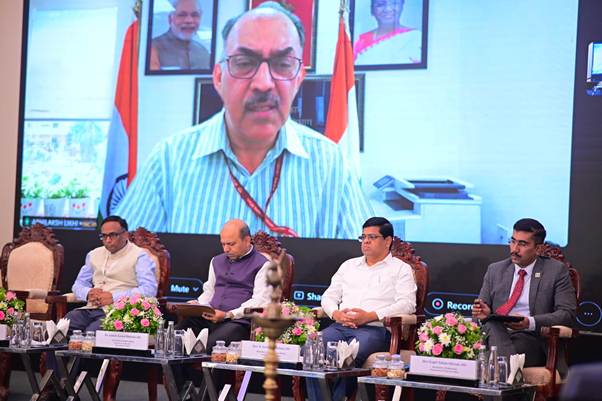
The National Workshop brought together senior officials from various State Governments, representatives of fisheries institutions, cooperative organisations, financial institutions and development agencies. Senior officers from the Department of Fisheries, Government of India, also participated virtually in the deliberations. The National Fisheries Development Board (NFDB) actively participated in the workshop process and technical discussions. The deliberations focused on strengthening inter-state coordination, accelerating implementation of fisheries-related schemes at the grassroots level and evolving institutional mechanisms for regular monitoring, issue resolution and policy feedback.
Addressing the inaugural session, Secretary, Ministry of Cooperation, Government of India, Dr. Ashish Kumar Bhutani underlined the growing importance of fisheries cooperative societies in strengthening rural livelihoods, increasing income opportunities and building sustainable community-led economic systems. He stated that cooperative institutions have emerged as an effective framework for ensuring inclusive development, particularly for fishermen, women and rural families associated with the fisheries value chain. He further emphasised the need to strengthen institutional mechanisms, improve access to affordable finance, modernise cooperative structures and integrate technology-enabled systems for better production, processing and marketing outcomes.
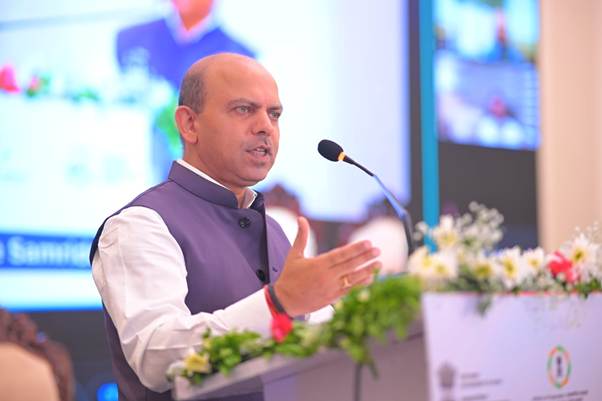
Dr. Bhutani observed that after the formation of the Ministry of Cooperation, continuous efforts are being made towards building a strong institutional framework for balanced and inclusive development of the fisheries sector. He noted that coordinated efforts involving cooperative institutions, development agencies and financial systems are creating a stronger grassroots ecosystem capable of generating employment, ensuring nutritional security and strengthening rural economic resilience. He also highlighted the importance of regular quarterly workshops with States to ensure continuous monitoring, policy feedback and effective implementation of schemes at the field level.
Union Fisheries Secretary Dr. Abhilaksh Likhi, Department of Fisheries, Ministry of Fisheries, Animal Husbandry & Dairying, Government of India, highlighted the immense opportunities available in India’s fisheries sector and stressed the importance of innovation-driven and cooperative-led growth models. He spoke about the expanding fisheries startup ecosystem and emphasised the need to strengthen fisheries cooperative societies through better market connectivity, digital integration, infrastructure development and modern technologies. He also underlined the importance of aligning India’s fisheries sector with emerging global standards and future market requirements.
The workshop included detailed technical and thematic sessions covering multiple dimensions of fisheries cooperative development. Discussions were held on formation of new fisheries cooperative societies, strengthening of existing societies, implementation targets for FY 2026–27 and strategies for empowerment of societies under the Prime Minister Matsya Kisan Samriddhi Sah-Yojana (PM-MKSSY). Special emphasis was laid on increasing membership, strengthening DCCB credit linkages, revival of non-functional fisheries cooperative societies and capacity building programmes for Board members and society members.
Representatives from institutions including NFDB, NCDC, NAFED, SFAC and NERAMAC made detailed presentations on implementation strategies, digital platforms, training modules, women empowerment initiatives and cooperative development models. State representatives from Madhya Pradesh, Uttar Pradesh, Jharkhand and several other States also shared their implementation experiences, best practices and future action plans.
During the session on Government Schemes and Welfare Initiatives, discussions focused on schemes such as PMMSY, PM-MKSSY, Fisheries and Aquaculture Infrastructure Development Fund (FIDF), entrepreneurship models and training and capacity-building programmes. Deliberations were also held on insurance coverage for fisheries cooperative societies and their members, including Group Accident Insurance Schemes, aquaculture insurance and vessel insurance.
Special technical sessions were organised on reservoir fisheries, ornamental fisheries, cluster-based fisheries development and adoption of emerging technologies such as Bio-floc systems and Recirculatory Aquaculture Systems (RAS). Discussions also focused on legal and policy reforms in reservoir leasing systems and the need for fisheries cooperative society-specific projects under PMMSY Phase-II.
The workshop further deliberated on strengthening fisheries cooperative societies through institutional credit support, expanding the role of cooperative banks, improving NABARD and NCDC support mechanisms and increasing credit outreach to fisheries cooperative societies through DCCBs.
Detailed discussions were also held on diversification of marine fisheries cooperative activities, including open-sea cage culture, seaweed cultivation for women empowerment, value addition from fish waste, circular economy models, domestic consumption, export opportunities and digital marketing platforms. Institutions including CMFRI, CIFT and MPEDA stressed the need for stronger market linkages and diversification of cooperative-led fisheries activities.
A dedicated session was also organised on the World’s Largest Grain Storage Plan in the Cooperative Sector, focusing on PACS identification, storage infrastructure, implementation frameworks, AMI financing, WDRA onboarding processes and strengthening cooperative storage ecosystems. Another major session focused on the formation and strengthening of two lakh new Multipurpose PACS, Dairy and Fisheries Cooperative Societies, including business diversification, revival plans for weak societies, deposit mobilisation and membership expansion strategies.
The workshop concluded with a collective commitment to accelerate cooperative-led transformation in the fisheries sector, strengthen implementation mechanisms, promote new fisheries cooperative societies and ensure long-term economic and social empowerment of fisherfolk communities across the country.
***
AK
(Release ID: 2261643)
Visitor Counter : 853