Ministry of Science & Technology
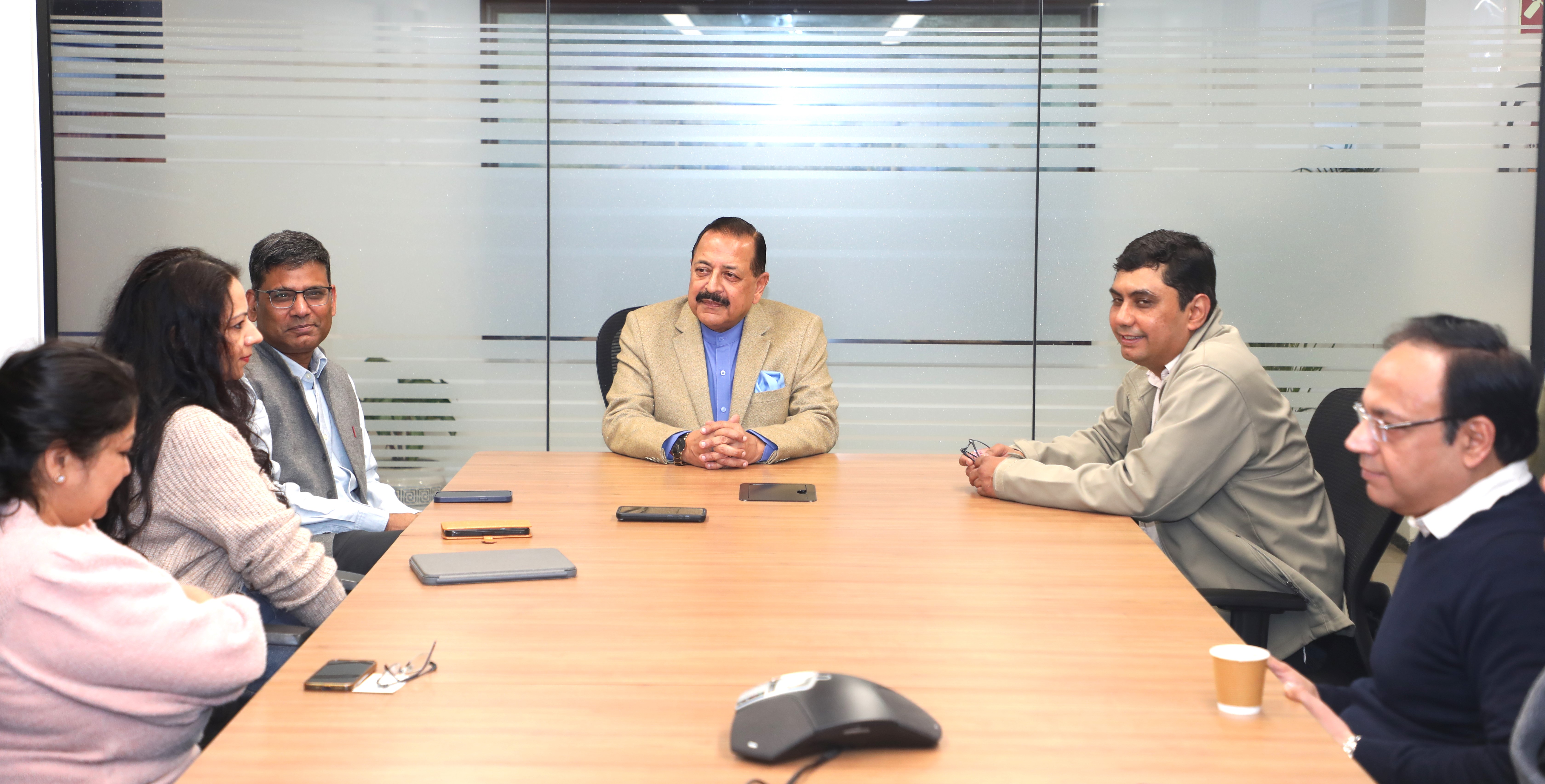
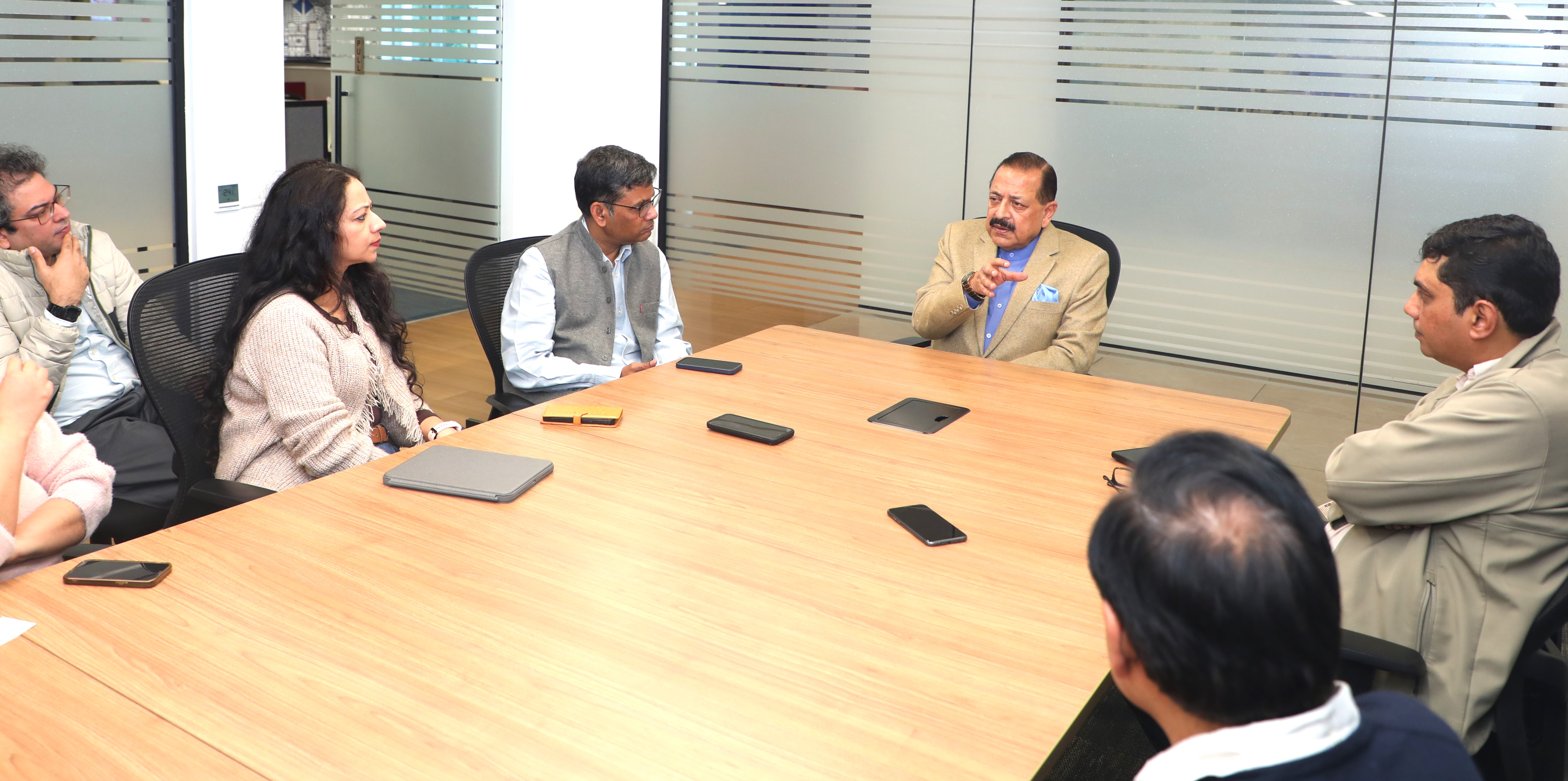
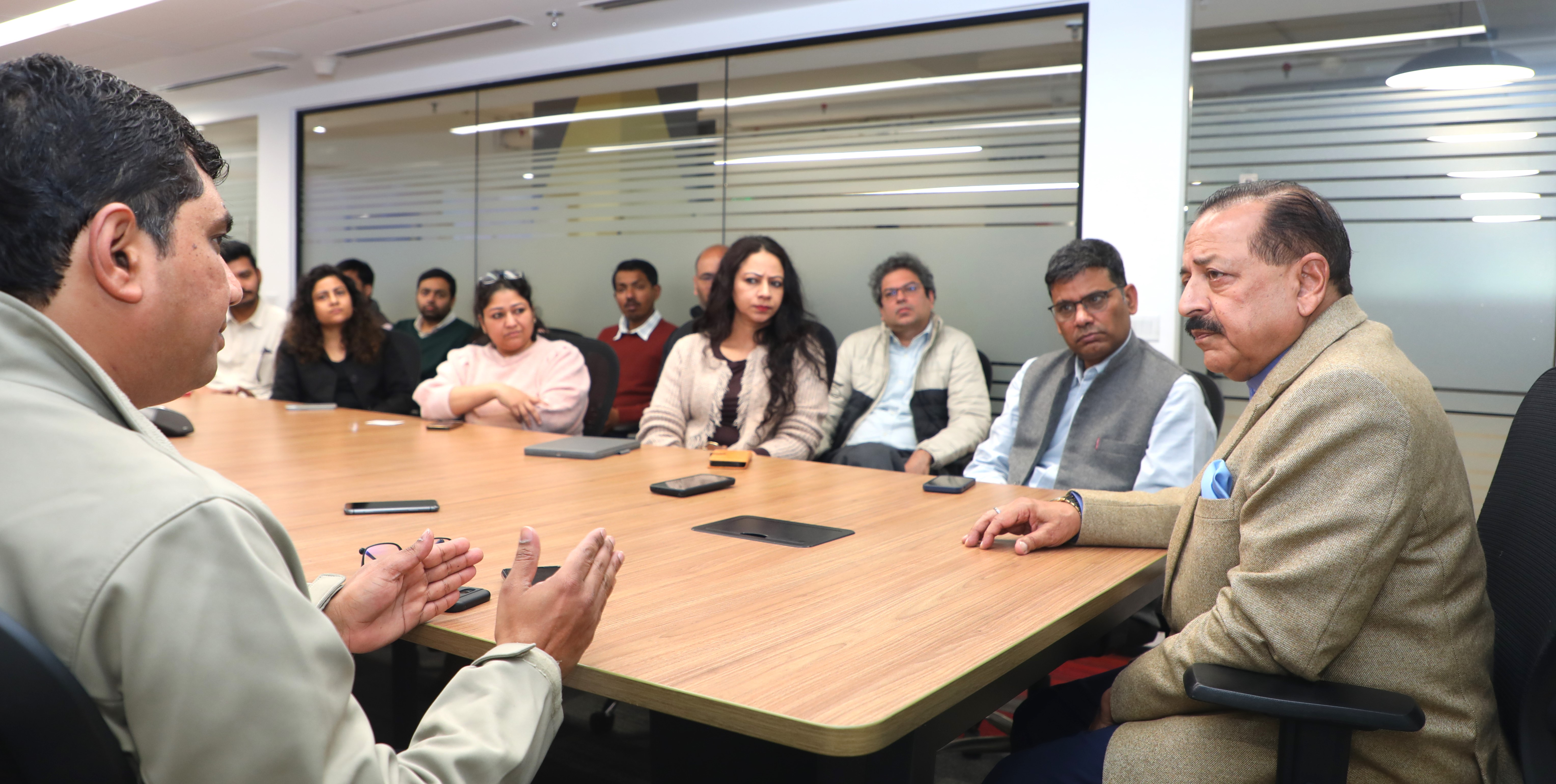
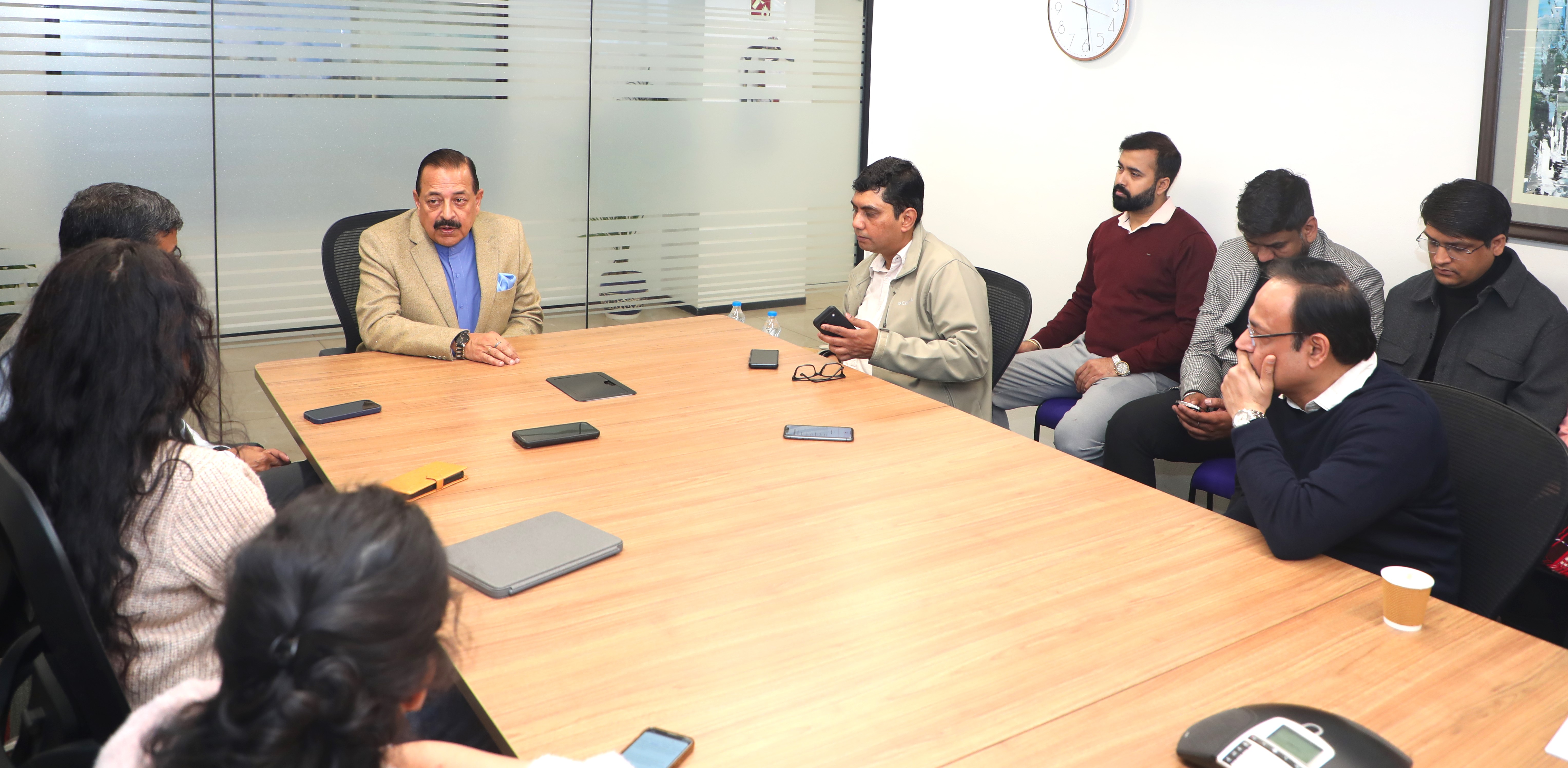
Dr Jitendra Singh interacts with journalists at Media Round Table
India at Decisive Inflection Point in Nuclear Energy Reforms Aimed at Strengthening Energy Security: Dr. Jitendra Singh
Government to Frame Nuclear Rules with Due Caution; Safety and Safeguards Non-Negotiable: Dr Jitendra Singh
Gaganyaan Uncrewed Mission to Precede Human Spaceflight, Likely in Second Half of 2026: Dr Jitendra Singh
₹1 Lakh Crore RDI Fund to Accelerate Lab-to-Market Transition; First Tranche Expected Soon, Says Dr Jitendra Singh
Posted On:
21 JAN 2026 7:09PM by PIB Delhi
Union Minister of State (Independent Charge) for Science & Technology, Earth Sciences and MoS PMO, Personnel, Public Grievances, Pensions, Atomic Energy and Space, Dr. Jitendra Singh, today said that India is at a decisive inflection point in its nuclear energy programme, with reforms aimed at strengthening energy security while maintaining the highest safety standards.
Interacting with journalists at a Media Round Table, on a wide range of issues covering Nuclear Energy, Space, science, technology and public policy, the Minister said the government is in the process of framing detailed rules under the recently enacted nuclear legislation. He clarified that while there will be no “tight timelines”, the rules will be notified after due diligence, keeping in view safety safeguards, stakeholder concerns, and global best practices.
Dr. Jitendra Singh said the new framework will fundamentally change the format of India’s nuclear energy programme. “We are opening the sector to non-government participation, including private players, without compromising on essential safeguards,” he said.
The Minister added that once the rules are in place, statutory bodies envisaged under the Act, such as a strengthened Atomic Energy Regulatory Board as a statutory entity and the Atomic Energy Redressal Commission, will be operationalised as per the composition and mandate already laid down in law.
On cost concerns, the Minister explained that while light water reactors are currently more expensive than indigenous pressurised heavy water reactors (PHWRs), costs are expected to come down with scale, localisation of manufacturing and increased domestic participation. Opening the sector, he said, is also intended to attract larger investments and bring efficiencies.
Responding to questions on liability, Dr. Jitendra Singh clarified that the operator–supplier liability framework remains intact. Any contractual arrangements between operators and suppliers are permissible, but the government will not be a party to such agreements.
The Minister noted encouraging interest from both domestic private players and foreign collaborators following the passage of the legislation. He said the response reflects global confidence in India’s nuclear ecosystem and long-term clean energy strategy.
On the space sector, Dr. Jitendra Singh rejected suggestions that recent launch setbacks have dented India’s credibility. “Every space mission is reviewed rigorously. We do not see this as a loss of credibility, foreign satellites continue to queue up for Indian launch services,” he said.
Dr. Jitendra Singh highlighted that government support for science and technology has increased substantially over the last decade, with budgets of key departments more than doubling. At the same time, opening the space sector to non-government entities has made India’s space economy visible and vibrant, growing to about USD 8 billion and projected to reach USD 20–25 billion in the coming years.
Providing an update on the Gaganyaan programme, the Minister said the uncrewed G1 mission will precede the human spaceflight planned for 2027, though it may take place in the latter half of 2026. He emphasised that human spaceflight demands extreme caution and multi-agency coordination, including the Navy and other national stakeholders, to ensure safe recovery.
Dr. Jitendra Singh stressed that India’s greatest strength lies in the use of space technology for governance and public welfare, ranging from infrastructure monitoring under Gati Shakti, telemedicine and agriculture to drone-based land mapping under the SVAMITVA programme. These applications, he said, often remain underreported despite their wide societal impact.
On the Research, Development, and Innovation (RDI) Fund with a corpus of ₹1 lakh crore, the Minister said the first tranche of around ₹4,000–5,000 crore is expected to be rolled out by the end of the month. He informed that the Technology Development Board and BIRAC have been identified as second-level fund managers to ensure professional handling. He said the RDI Fund is designed to bridge the gap between laboratory research and market-ready technologies, including in emerging areas like quantum technologies, where India is among a handful of nations with a dedicated National Quantum Mission.
Concluding on energy security, Dr. Jitendra Singh said nuclear power is no longer an option but an essential requirement. “Renewables are growing rapidly, but nuclear remains the most reliable source of uninterrupted base-load power, especially as data centres, AI and strategic sectors expand,” he said. He added that India’s long-term energy mix will balance renewables and nuclear power to meet climate commitments, strategic needs, and economic growth.
*****
NKR/AK
(Release ID: 2217027)
Visitor Counter : 909