Ministry of Environment, Forest and Climate Change
Zoological Survey of India plays Pivotal Role in Milestone IUCN Global Coral Reef Assessment
प्रविष्टि तिथि:
03 NOV 2026 2:57PM by PIB Kolkata
Kolkata, November 3, 2026
In a landmark contribution to global marine conservation, scientists from the Zoological Survey of India (ZSI), under the Union Ministry of Environment, Forest and Climate Change, have co-authored the first-ever global coral reef ecosystem assessment conducted under the International Union for Conservation of Nature (IUCN) Red List of Ecosystems (RLE).
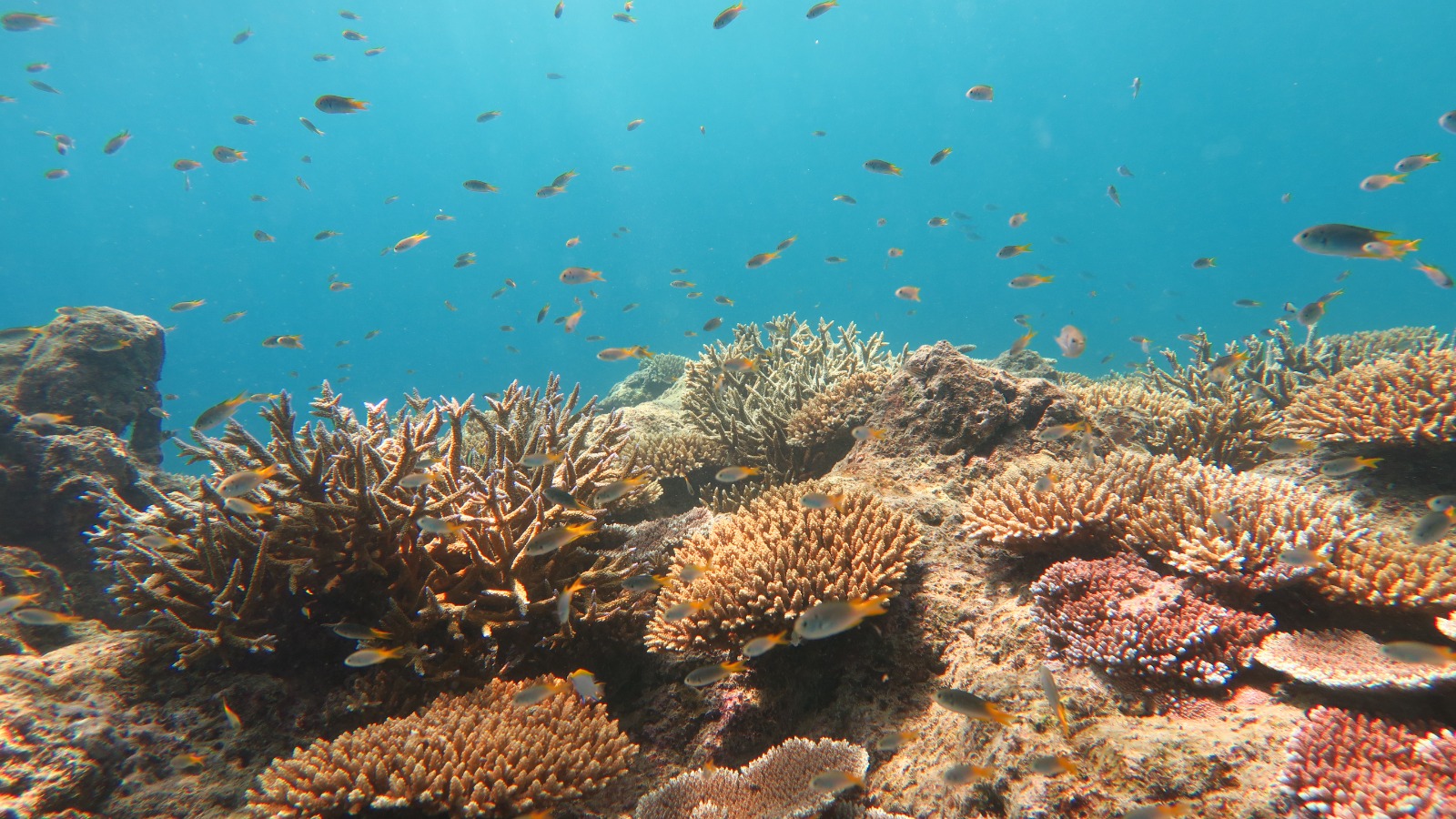
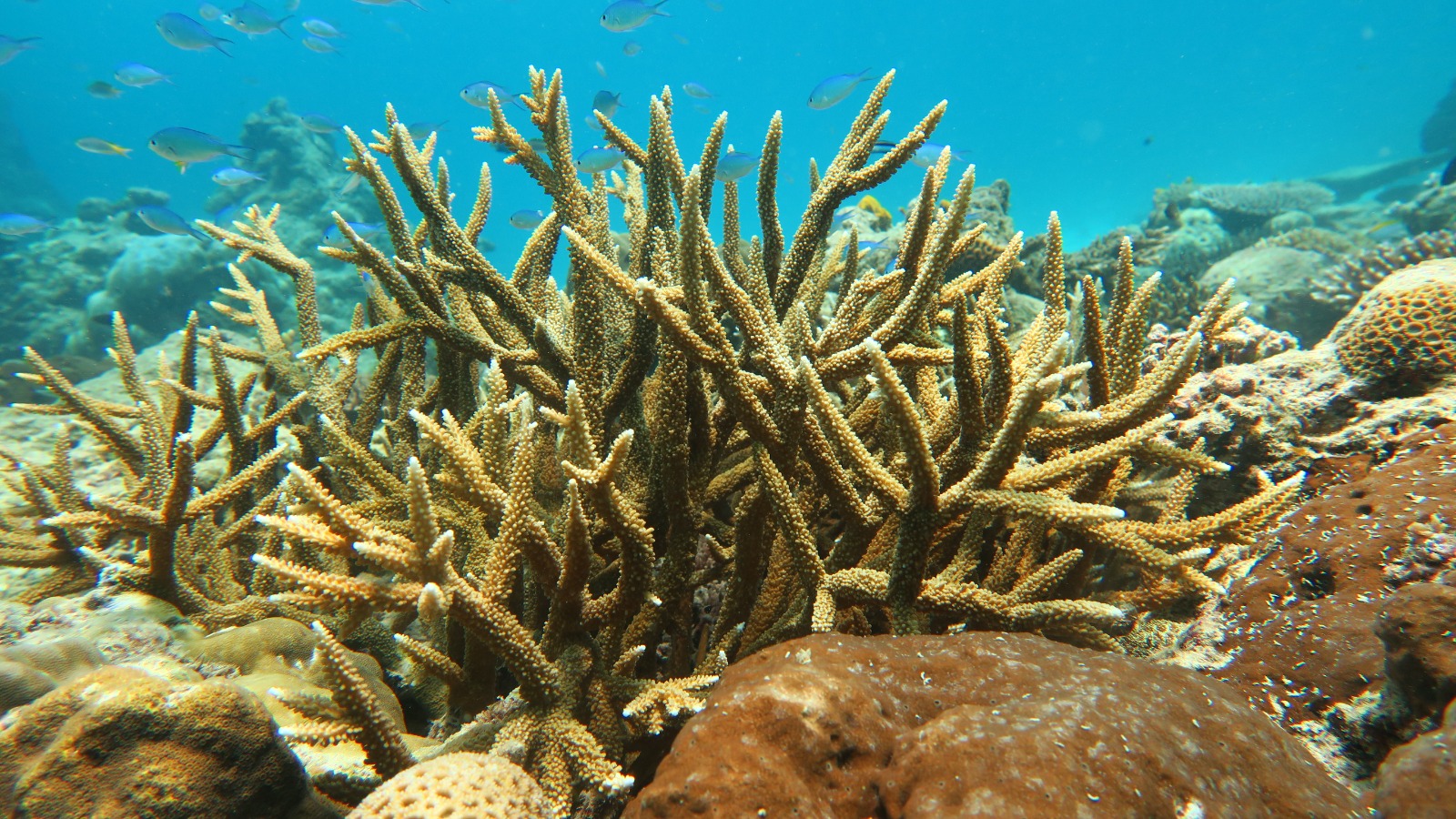
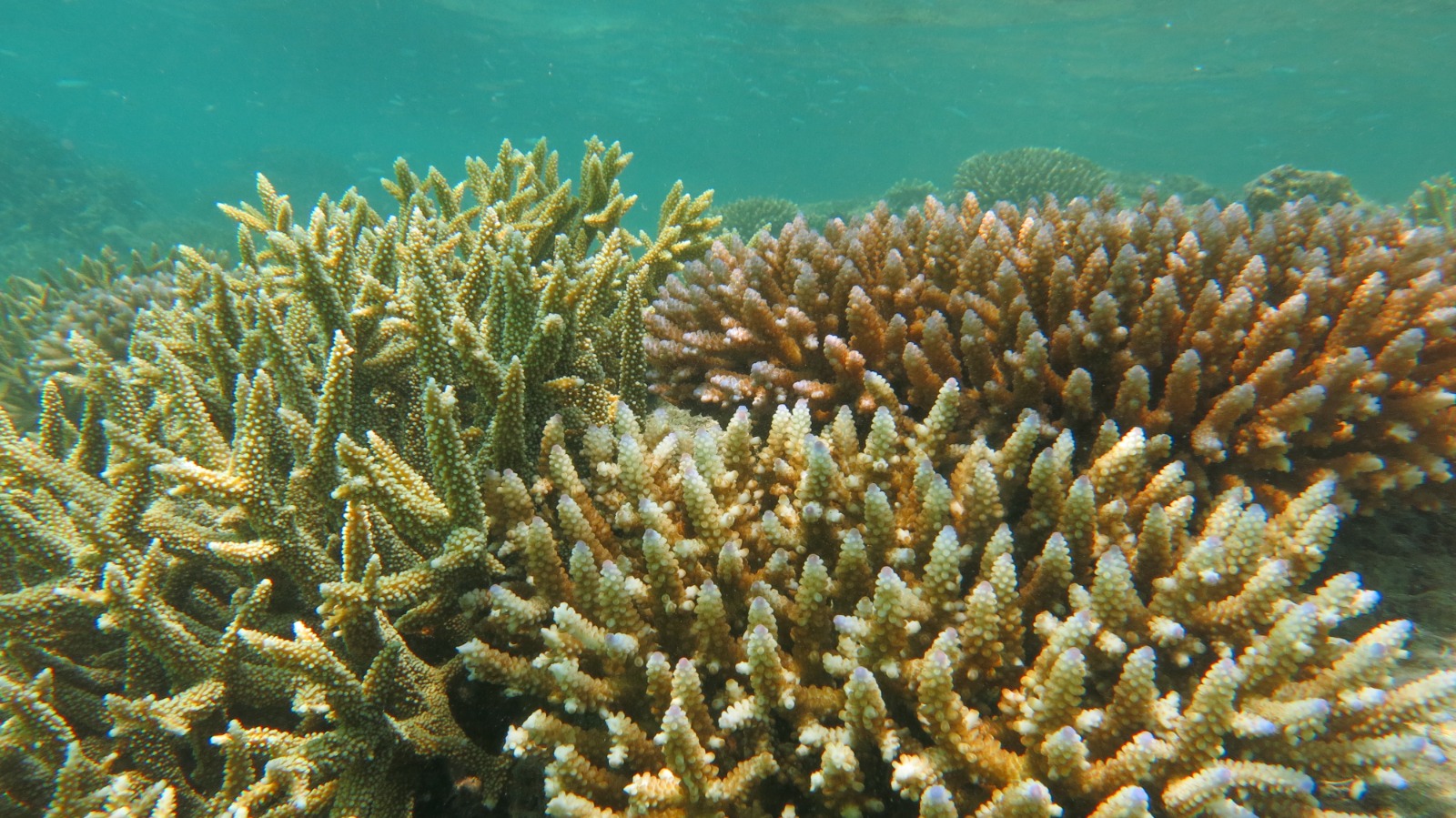
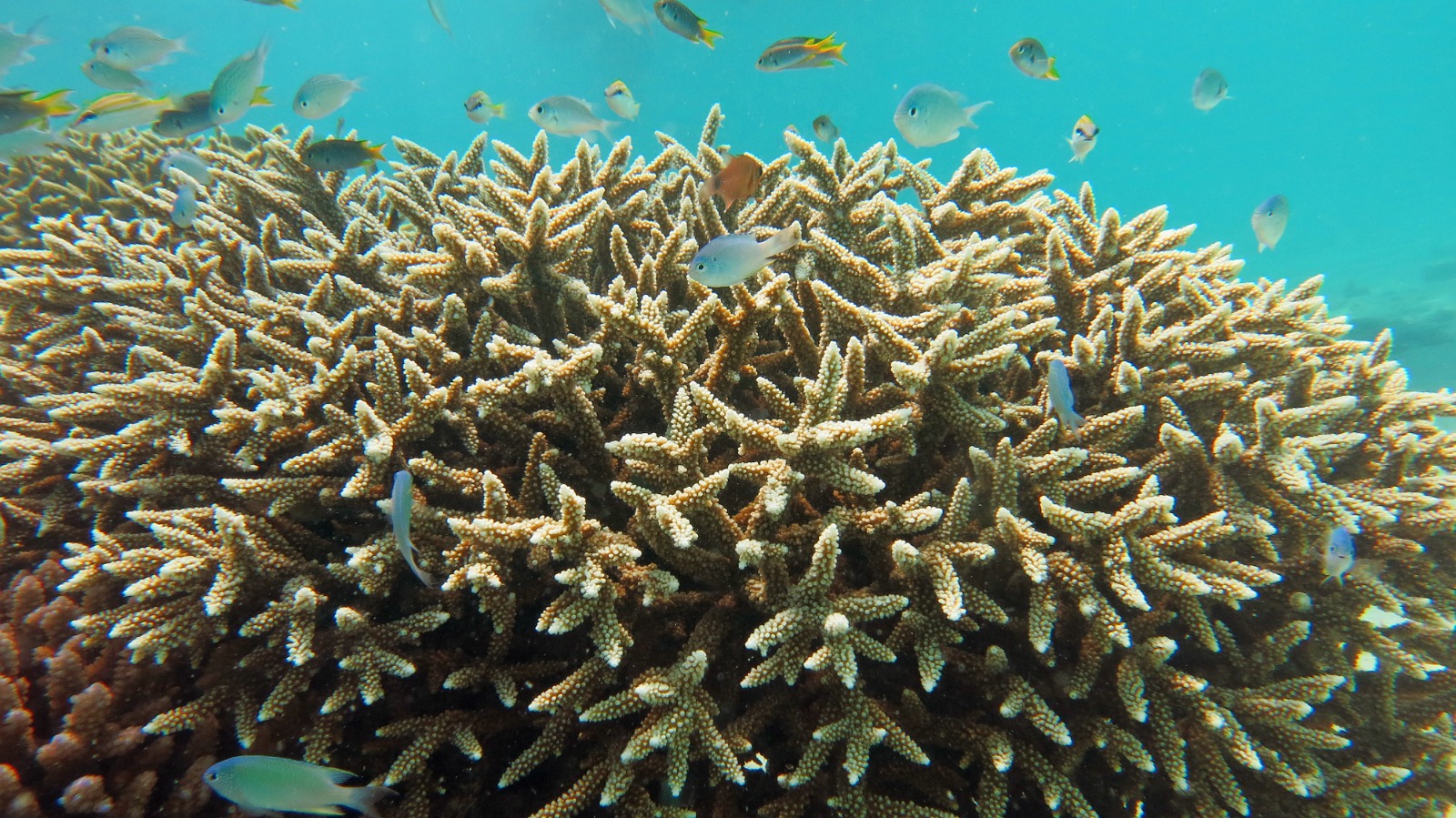
Unveiled at the United Nations Biodiversity Conference (COP17) in Yerevan, Armenia, the global study paints a critical picture of the future of marine biodiversity. Evaluating the extinction risk of entire ecological systems, the report reveals that 96% of all assessed coral reef units globally (accounting for 99.8% of total reef area) are classified as Critically Endangered (CR) when accounting for future ocean warming and marine heat stress.
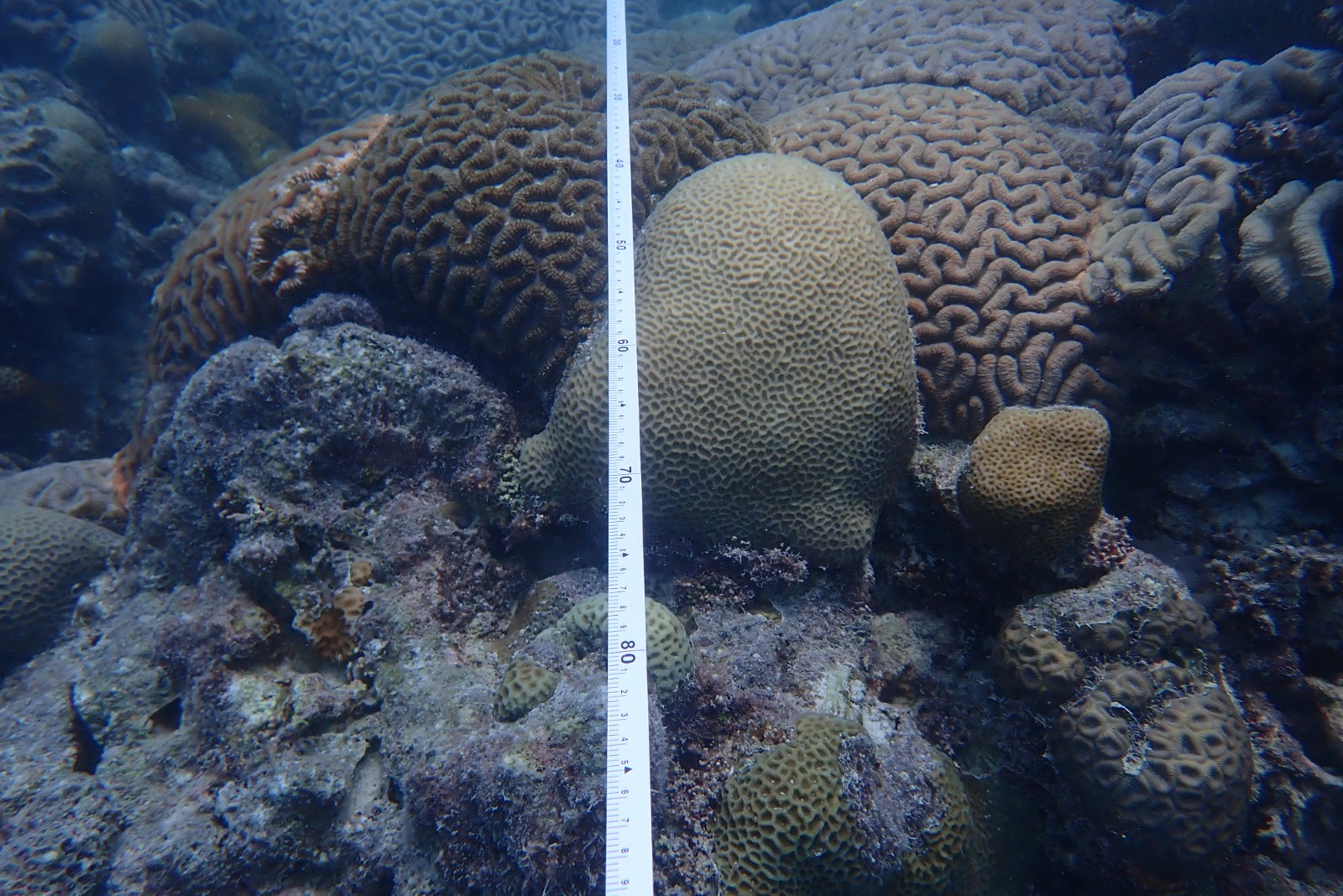
The regional assessment for South Asia covers 13 distinct coral reef ecoregions spanning approximately 8,282.6 km² across India, Bangladesh, Sri Lanka, the Maldives, and the Chagos Archipelago—representing about 4% of the world’s coral reefs.
While historical data from the past 50 years categorised South Asia’s reefs under varying threat levels (7 Vulnerable, 4 Endangered, and 2 Critically Endangered), incorporating projected marine heat stress over the next 50 years under IPCC climate scenarios elevates all 13 South Asian ecoregions to Critically Endangered status.
India hosts four of these vital ecoregions, incorporating island reefs, atolls, and mainland formations:
|
Indian Ecoregion
|
Historical Observed Risk
|
Overall Projected Risk
|
|
Andaman and Nicobar Islands
|
Vulnerable
|
Critically Endangered
|
|
Lakshadweep Islands
|
Vulnerable
|
Critically Endangered
|
|
South Coast of India (Gulf of Mannar & Palk Bay)
|
Endangered
|
Critically Endangered
|
|
West Coast of India (Gulf of Kachchh)
|
Vulnerable
|
Critically Endangered
|
ZSI provided vital scientific backing for the assessment. ZSI researchers Dr. C. Raghunathan, Dr. Tamal Mondal, Dr. J.S. Yogesh Kumar, and Dr. Chandran Rethinaraj served as co-authors on the regional report, contributing decades of long-term national biodiversity research, field surveys, reef mapping, coral taxonomy, and marine species monitoring.
Notably, India delivered the single largest national contribution to the analysis of monitoring sites under the assessment’s Criterion A. Out of 350 total listed monitoring sites across the region, 162 sites (46.3%) were contributed by Indian ecoregions, underscoring India's scientific leadership in international environmental evaluations.
The assessment identifies marine heatwaves and climate-induced mass coral bleaching—evidenced by severe historic events in 1998 and 2016—as the foremost threats to reef survival. These climate pressures are exacerbated locally by:
- Coastal development, dredging, and sedimentation
- Land-based pollution and marine debris
- Overfishing and loss of key predatory and herbivorous fish species
While local management—such as improving water quality, coastal zoning, and reef restoration—can bolster ecosystem resilience, long-term survival hinges on global reductions in greenhouse gas emissions.
India’s robust scientific involvement lays a strong foundation for regional collaboration in the Indian Ocean, reinforcing national and international commitments toward biodiversity conservation.
************
SSS/Kol/
(रिलीज़ आईडी: 2332021)
आगंतुक पटल : 40
इस विज्ञप्ति को इन भाषाओं में पढ़ें:
Bengali