Posted On:
17 NOV 2026 6:14PM by PIB Kolkata
Kolkata, November 17, 2026
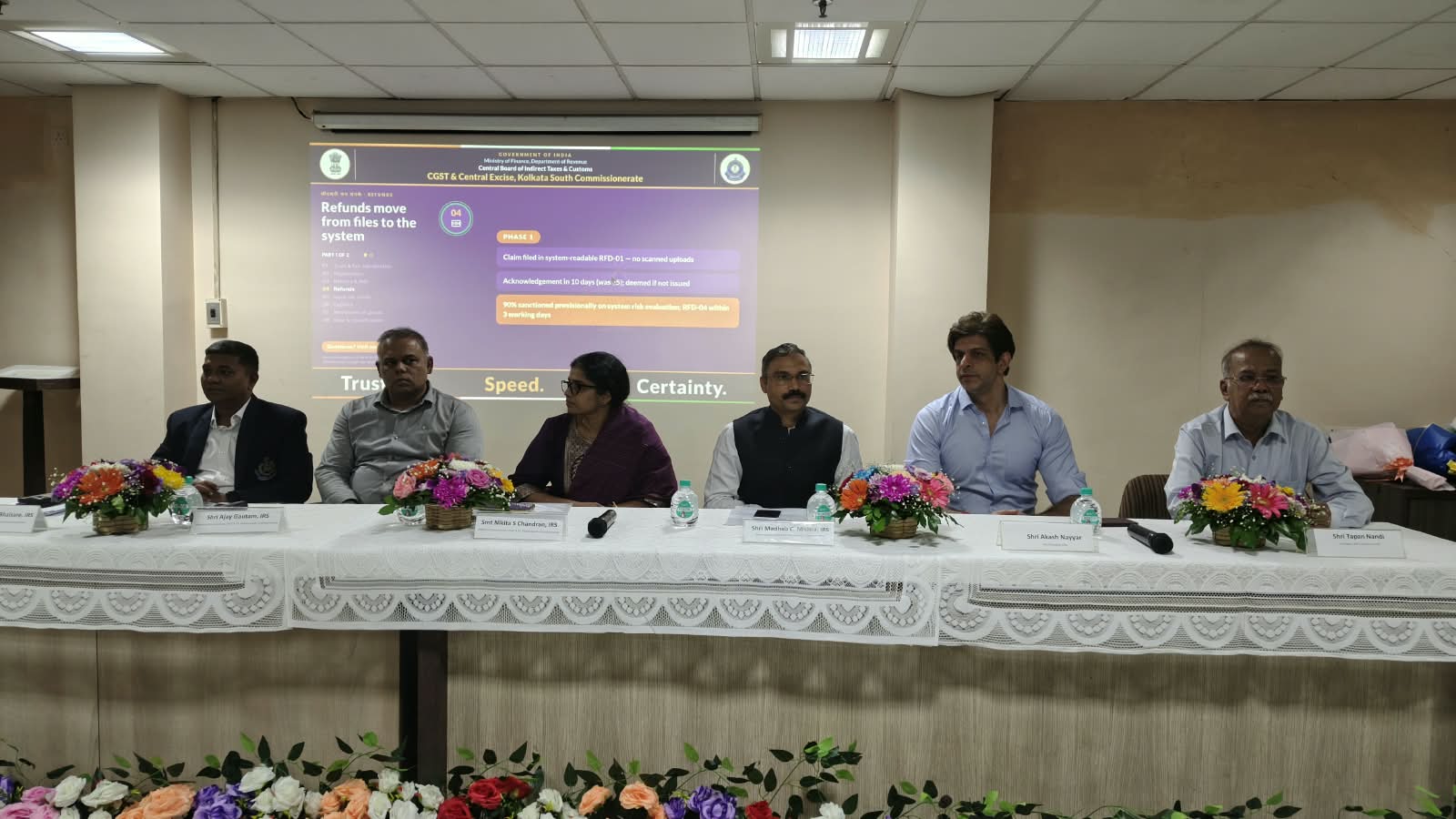
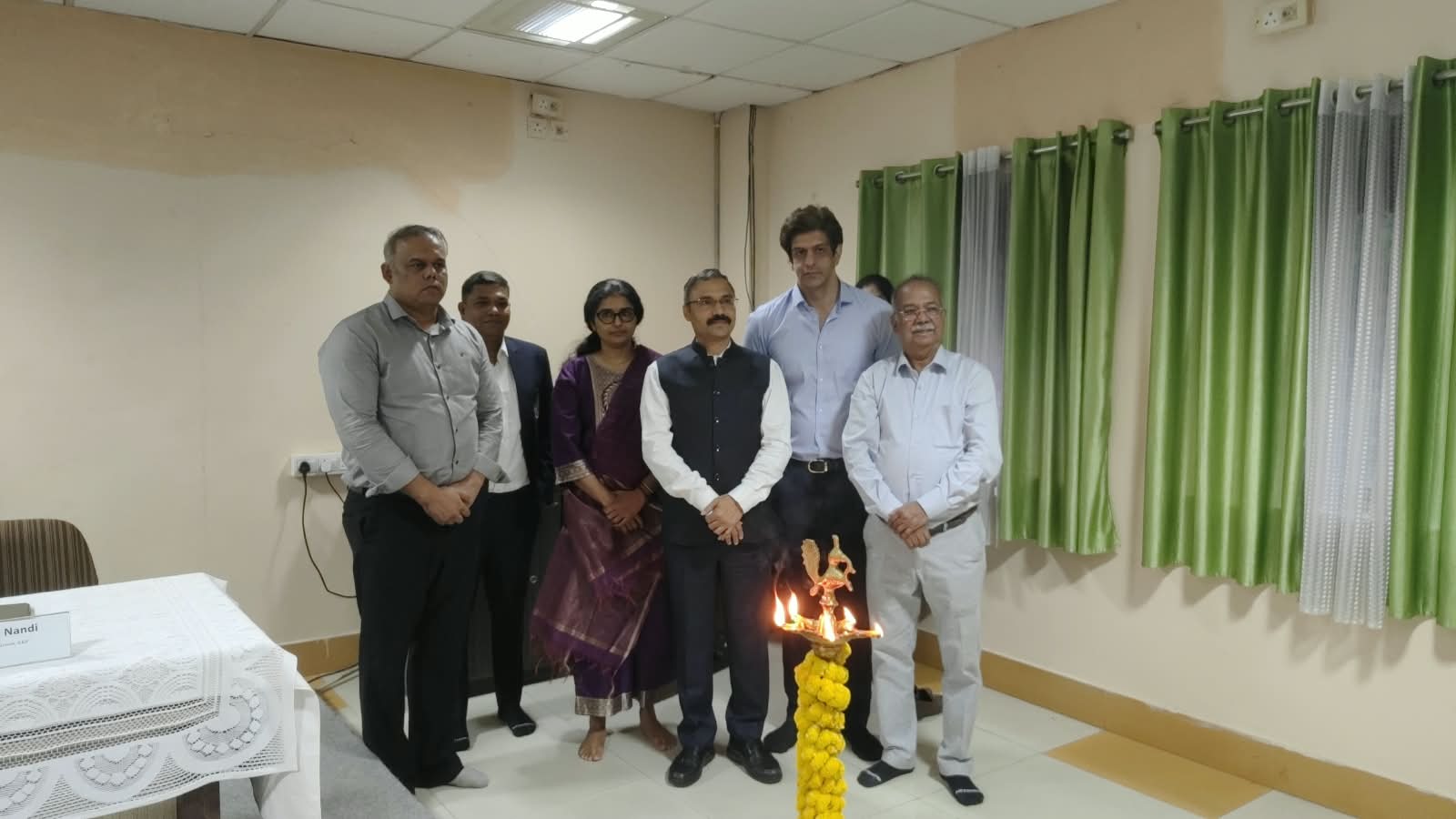
The Central Goods and Services Tax (CGST) and Central Excise, Kolkata South Commissionerate, organised a GST Outreach Programme on the decisions of the 57th GST Council at FREYA IIDF Design Studio, Kolkata Leather Complex, Kolkata, today. The programme was attended by Commissioner, CGST and CX, Kolkata South Commissionerate, IRS, Shri Madhab C. Mishra; Additional Commissioner, CGST and CX, Kolkata South Commissionerate, IRS, Smt Nikita S. Chandran; Additional Commissioner, CGST and CX, Kolkata South Commissionerate, IRS, Shri Ajay Gautam; Joint Commissioner, CGST and CX, Kolkata South Commissionerate, IRS, Shri Rohitkumar Bhaisare; President, IIDF & Chairman, ILGP, Shri Tapan Nandi; Vice President of ILPA, Shri Akash Nayyar; representatives of trade associations and the leather industry, taxpayers, officers of the GST Department and other dignitaries.
Additional Commissioner, Smt Nikita S. Chandran, delivered the welcome address and outlined the objectives of the programme. Commissioner, CGST and CX, Kolkata South Commissionerate, Shri Madhab C. Mishra, then addressed the gathering.
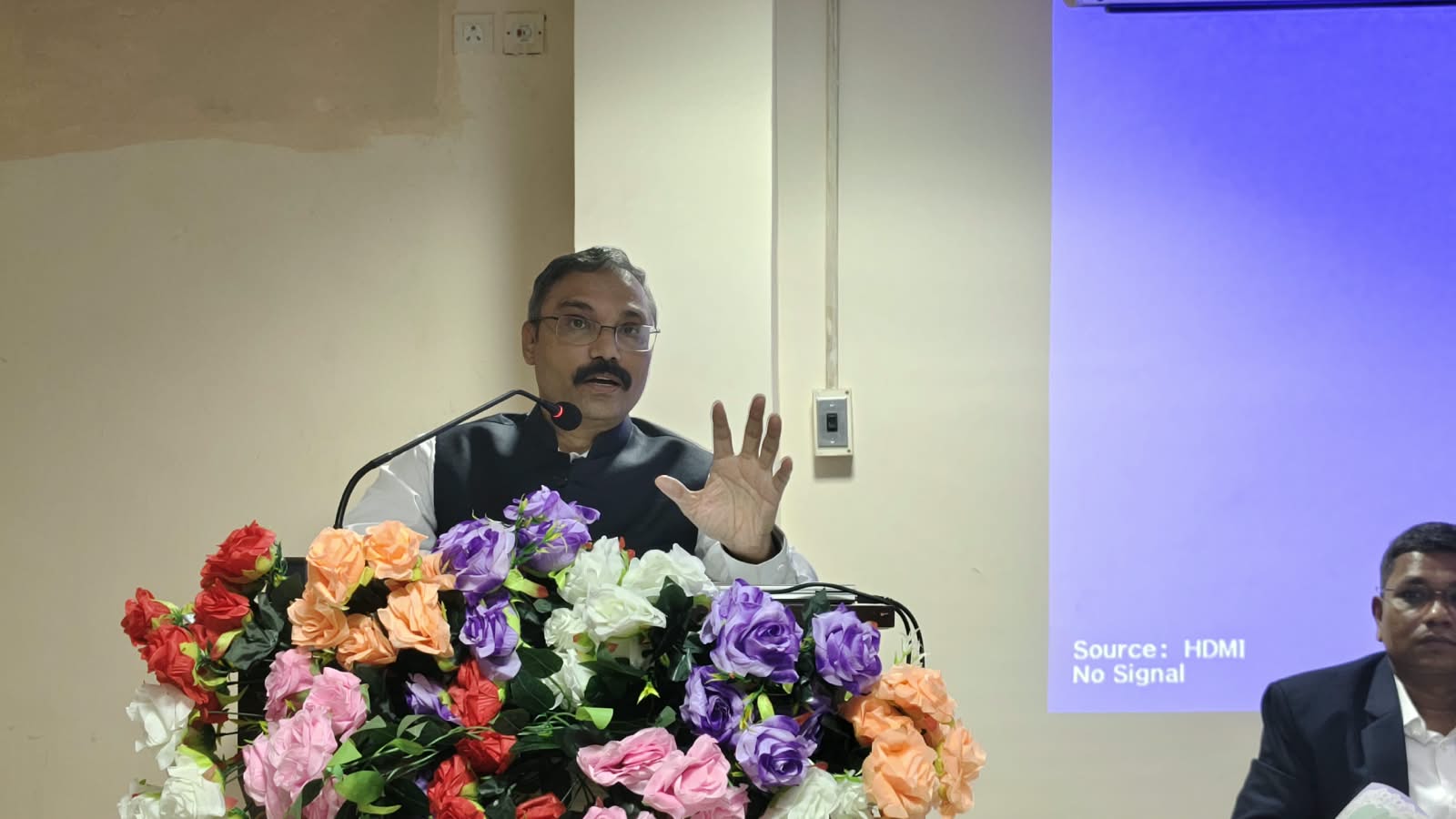
In his address, Shri Madhab C. Mishra highlighted the importance of the Kolkata Leather Complex, describing it as one of the largest leather clusters in the country. He said that the Department had chosen to hold the outreach programme at the premises of the industry to listen to its concerns and engage directly with its stakeholders.
Referring to the 57th GST Council, held on October 8, 2026, under the chairpersonship of the Union Finance Minister, Shri Mishra said that the Council had made a series of decisions and recommendations primarily focused on GST 2.0 procedural reforms, simplification of compliance and reduction of litigation. He said that the message of the Council was clear: compliance should be easier, refunds should be faster, and honest taxpayers should be free from fear and apprehensions. He added that enforcement by the Department should be focused on cases where there is real evidence.
Highlighting four important areas of the Council's decisions and recommendations, Shri Mishra first spoke about refunds. Referring to the concerns of exporters and businesses operating under the inverted duty structure, he said that, with effect from November 1, 2026, the scope of refunds under the inverted duty structure had been extended to input services. He also referred to the Council's recommendation for a refund of credit on plant and machinery from April 1, 2027. Other measures included reducing the time for acknowledgement of refund applications from 15 days to 10 days and automated processing of most eligible claims for exporters within three working days. He said, these measures would help in faster recycling and reuse of working capital.
The second area concerned was provisions relating to arrest under Section 69. Shri Mishra said, the Council had recommended removing the power of arrest, raising the threshold for prosecution from ₹1 crore to ₹5 crore, and issuing no demand notice for amounts up to ₹10,000. He added that the small and honest taxpayers should not be drawn into litigation over very small and petty matters and amounts.
The third area was related to smoother movement of goods and simpler procedures. Shri Mishra explained that goods in transit would be intercepted only on the basis of specific intelligence and with the authorisation of a senior officer, so that genuine consignments could move without unnecessary stoppages. He also highlighted the recommendation that most routine amendments to registration be approved automatically.
The fourth area concerned was input tax credit. Shri Mishra said, the Council had recommended allowing credit on employees' health and life insurance, which had been a long-standing demand of the industry. He also referred to the recommendation for a standing committee of officers to examine and settle questions relating to the eligibility of such credit. He explained that this would facilitate the availment of input tax credit where employers sponsor group health and life insurance for employees, as such credit had earlier been blocked. Shri Mishra clarified that several of the recommendations would take effect only after the relevant laws were amended and notifications issued, with most of them expected to come into effect from April 1, 2027.
Referring to GST entering its tenth year, Shri Mishra said, it was steadily evolving into a partnership between taxpayers and the tax administration. He expressed confidence that the decisions of the 57th GST Council would contribute towards making the system simpler, faster and fairer. Referring to the long and proud history of the Kolkata leather industry, he said that, with the reforms and cooperation of the stakeholders, the cluster could grow stronger and gradually expand its presence in the global market. He also assured the industry that the Kolkata South Commissionerate would continue to support it in this journey.
Following the Commissioner's address, Joint Commissioner, Shri Rohitkumar Bhaisare, delivered a technical presentation on the key decisions of the 57th GST Council, covering registration and returns, refunds, input tax credit, litigation and penalties, and movement of goods. The presentation covered simplified registration and cancellation, the Invoice Management System (IMS), return reconciliation, automated refunds, faster acknowledgements, rationalisation of blocked credits under Section 17(5), proposed amendments to Sections 73, 74 and 74A, and intelligence-led interception of goods in transit.
An interactive session with taxpayers and trade associations followed the technical presentation. The open-house session provided an opportunity for representatives to raise issues and seek clarifications from departmental officers.
******
SSS/RP/Kol/17.11.26....