Posted On:
04 NOV 2026 4:39PM by PIB Raipur
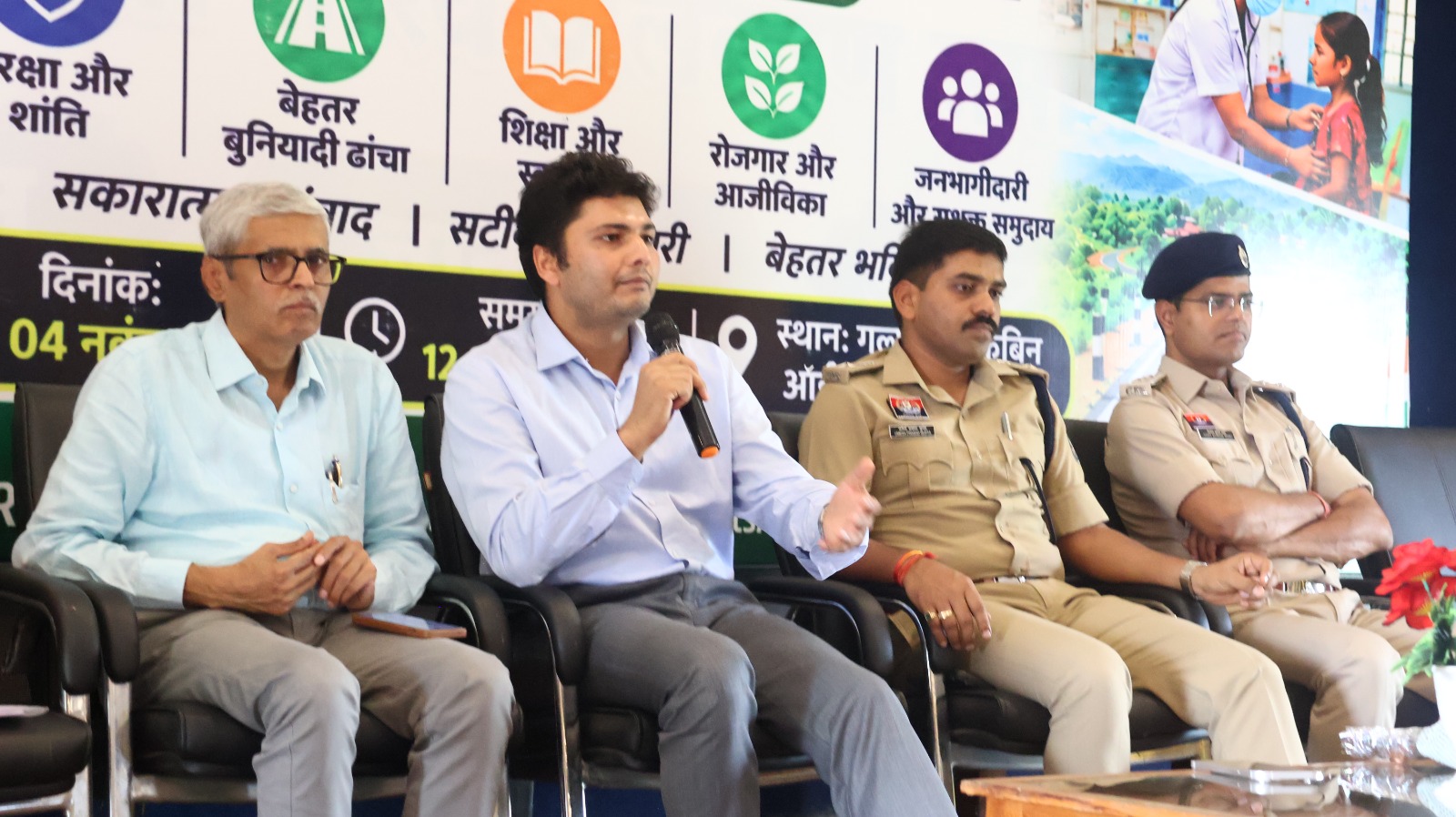
Basic infrastructure is expanding rapidly in the remote and interior areas of Bijapur, which remained cut off from the mainstream of development for decades due to Naxalism. Over the past three years, electricity has reached more than 90 villages that previously had no power supply, while electrification work is underway in over 50 additional villages. Road construction covering more than 1,000 kilometres is also being undertaken in the district. With the decline of Naxal influence and an improved security environment, development activities are now reaching areas where access for the administration and construction agencies was once extremely difficult. Sharing details of the district's ongoing development initiatives and future plans while responding to questions from journalists, Bijapur Collector Shri Vishwadeep highlighted these achievements during a special Vartalap programme organised on Wednesday by the Press Information Bureau (PIB), Raipur, in coordination with the Office of the Superintendent of Police, Bijapur, at the Girls' Porta Cabin Auditorium.
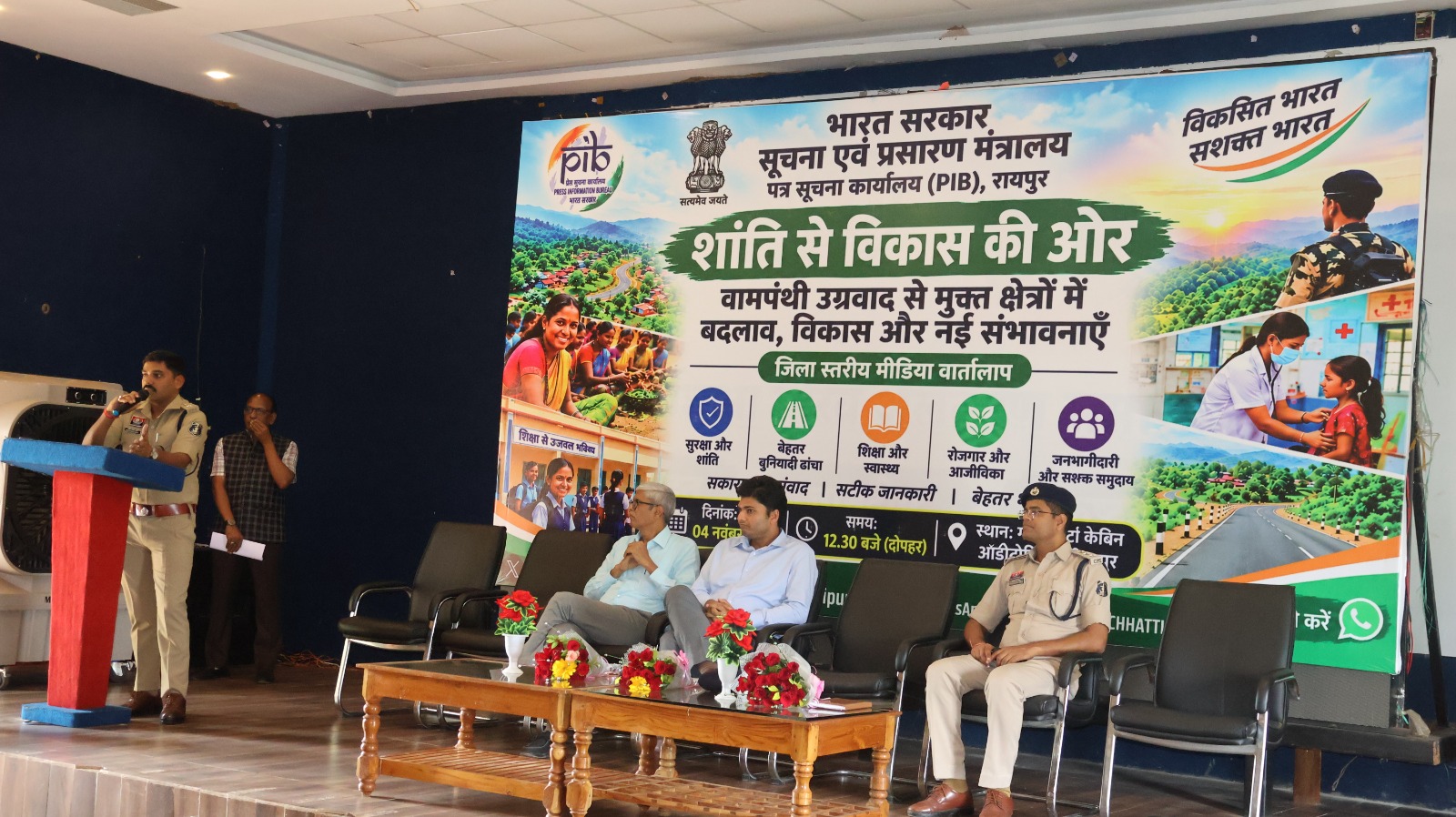
Addressing the programme on the theme 'From Peace to Development', the Collector said that the foremost priority in Bijapur is to ensure that every citizen has access to basic amenities and the benefits of government schemes. Expansion of roads, electricity, drinking water and digital connectivity, along with improved education and healthcare services, remains central to the district administration's agenda.
Roads, Bridges and Electricity Transforming the District
Responding to questions from journalists about road connectivity and electricity, the Collector stated that electricity had been extended to more than 90 villages over the past three years, while electrification work was continuing in over 50 villages. Significant progress has also been made in road construction. Earlier, security challenges severely restricted the working hours available for construction activities. In several areas, work that began in the morning had to be suspended by the afternoon.
Citing the Dornapal-Jagargunda road as an example, he said that the project, sanctioned in 2013, could be completed only towards the end of 2025. This illustrates the difficulties involved in taking development initiatives to these areas in the past. With the improvement in the security environment, road and bridge construction has now gathered momentum in the interior regions as well. Efforts have also been made to construct culverts in areas such as Kundapalli, even during the monsoon. Construction of the Phundri bridge is in its final stages, while work on the Bedre bridge and several other bridges is also progressing.
Expansion of Education and Healthcare Services a Priority
Responding to questions concerning education and healthcare, the Collector said that special attention is being given to reopening schools that had remained closed and improving their infrastructure. Construction and infrastructure development work is also being undertaken for the district's 55 tribal hostels. Efforts are underway to start a new nursing college in the district this year. Strengthening the infrastructure and facilities of the District Hospital is another key priority of the administration.
Tourism and Livelihood Initiatives to Generate Employment Opportunities
Responding to questions about tourism potential in Bijapur, the Collector said that several initiatives were being planned to promote tourism in the district. A jungle safari was launched in the Indravati Tiger Reserve on November 1. The present safari route is approximately nine kilometres long and is proposed to be extended to 32–33 kilometres. Plans are also underway to introduce a vulture safari and develop waterfalls, including Matti Maraka, and other natural attractions with improved tourism facilities. The administration aims to ensure that tourists visiting the Bastar region also include Bijapur in their travel itineraries.
On initiatives to strengthen rural livelihoods and increase incomes, he said that agriculture, fisheries, horticulture and other allied activities were being actively promoted. Recently, 16 farmers in the Nemad area were connected with shrimp farming through ponds constructed on their agricultural land. This initiative is expected to provide farmers with additional income opportunities.
Works Worth Over Rs 80 Crore Sanctioned Under VB-G RAM G Scheme
Responding to questions on rural development and the implementation of government schemes, the Collector informed that works worth more than Rs 80 crore had been sanctioned in the district under the Viksit Bharat–Guarantee for Rozgar and Ajeevika Mission (Gramin) [VB-G RAM G] scheme. These works are aimed at creating assets according to the needs of rural communities and individual beneficiaries, including farm ponds, water bodies and other useful community and individual assets. He said that ensuring the benefits of schemes such as the Pradhan Mantri Awas Yojana reach all eligible beneficiaries was also a key objective of the administration.
The Collector further informed that a nodal system was being developed across all 170 Gram Panchayats of the district to improve the implementation of government schemes and address people's difficulties. The initiative focuses on facilitating access to essential documents and services, including Aadhaar cards, Ayushman cards, labour cards, voter identity cards and bank accounts, so that villagers do not have to make repeated visits to government offices.
Documentation of Bijapur's Journey from Conflict to Development Emphasised
Highlighting the role of journalists and the need to document the district's history, the Collector said that the media plays an important role in communicating government policies, administrative initiatives and development efforts to the public. He emphasised the importance of documenting Bijapur's journey through four decades of conflict, challenges and development. He proposed preparing a coffee table book in collaboration with journalists, compiling important development initiatives and significant historical events of the district. This would help future generations understand the transformation of Bijapur and the struggles behind it.
Improved Security Environment Has Accelerated Development: Superintendent of Police
During the programme, Superintendent of Police, Bijapur, Shri Umesh Gupta, elaborated on the district's fight against Naxalism, the contribution of security forces and the prevailing security situation. He said that the present atmosphere of peace and development in Bijapur was the outcome of a prolonged struggle, the sacrifices of security personnel and collective efforts. Referring to the challenges faced by security personnel during anti-Naxal operations, IED blasts and the loss of lives of both security personnel and civilians, he emphasised the need to remember everyone who contributed to this journey. He said that the improved security environment had strengthened administrative outreach in interior areas and accelerated development activities in roads, education, healthcare and other essential sectors.
During the programme, journalists raised questions on the impact of Naxalism, development initiatives, administrative outreach, public amenities and the changing situation in the district. The Collector and the Superintendent of Police responded to their queries and shared information on various aspects of the ongoing process of peace, security and development. The officers also highlighted the importance of the media's positive and responsible role in this transformation.
******