Posted On:
25 MAR 2026 2:26PM by PIB Ahmedabad
In a landmark achievement for India’s infrastructure sector, the country’s first eight-lane extradosed cable stayed bridge over the Narmada River has been successfully completed on the Delhi-Mumbai Expressway. Spanning 2.22 kilometres and built at a cost exceeding ₹200 crore, the bridge stands as a testament to India’s engineering excellence and commitment to world-class connectivity.
This iconic structure is set to significantly enhance connectivity between the nation’s political capital, Delhi, and financial capital, Mumbai. Once fully operational, the Delhi-Mumbai Expressway—India’s longest road corridor—is expected to reduce travel time between the two cities by 10 to 12 hours, ushering in a new era of efficient transportation and logistics.
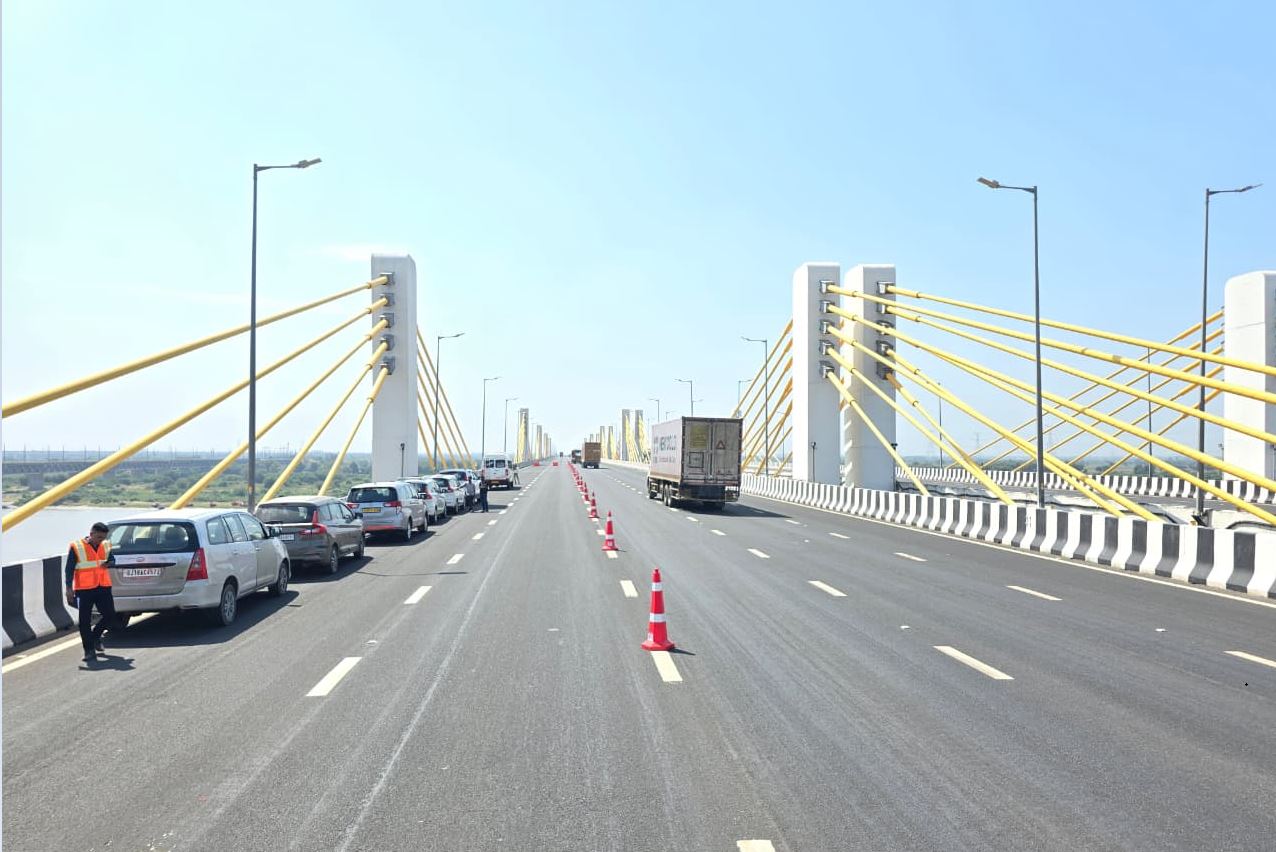
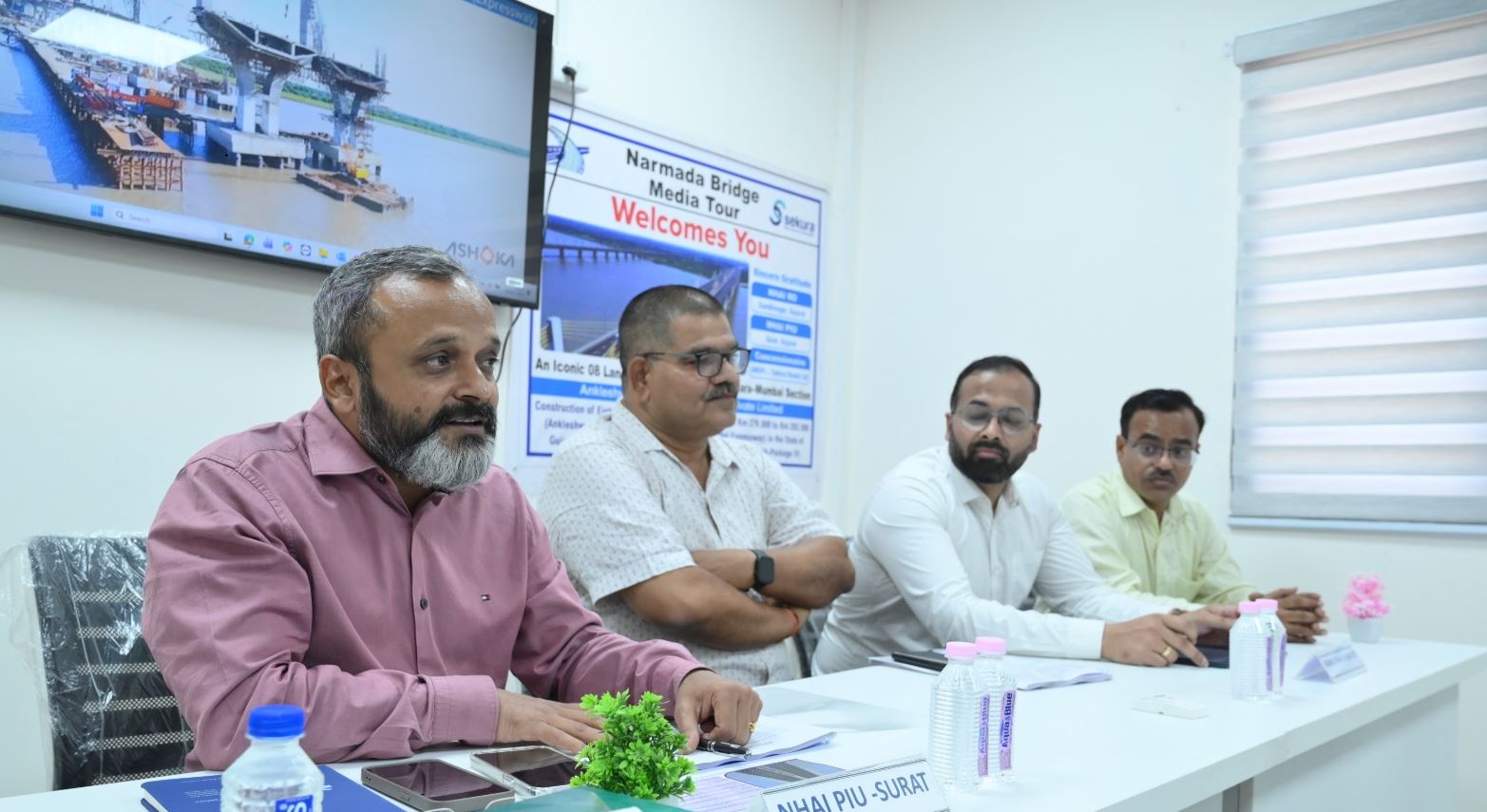
Providing details of the project, Project Director Sanjay Kumar Yadav stated that the Narmada bridge, located in the Ankleshwar–Manubar section, has emerged as a defining feature of the corridor. “This bridge reflects the ambition and technical capability of Indian engineers, built under challenging geographical and environmental conditions,” he noted.
Constructed in the seismically sensitive and tidal environment of the Narmada riverbed, the project involved highly complex engineering solutions. Foundations extending beyond 60 metres deep have been laid to ensure resilience against strong currents and seismic activity.
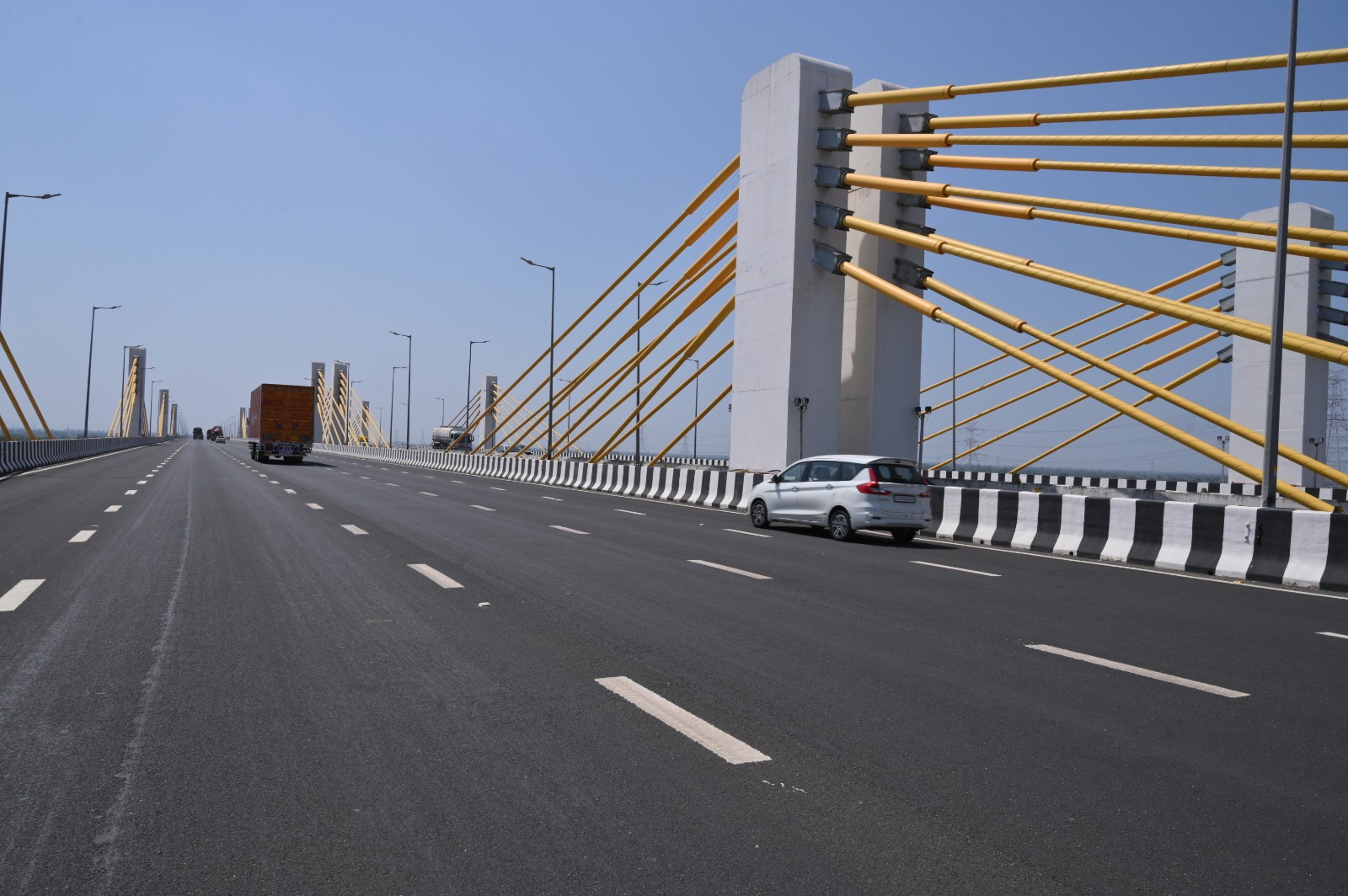
Key Features of the Bridge
- Total Length: 2 × 2220.05 metres
- Viaduct Section: 1200 metres (Width: 21.25 metres)
- Extradosed Section: 1020 metres (Width: 24 metres)
- Navigation Spans: 3 spans of 120 metres each, supported by twin pylons
- Material: 700 metric tons of advanced stay cables imported from Germany
- Height: Pylons and piles combined equivalent to a 29-storey building
Bridge Design Engineer Akshay Rao Hoshing highlighted the scale of construction, noting that approximately 32,000 metric tons of reinforcement steel were used—about 2.5 times more than that used in the iconic Brooklyn Bridge.
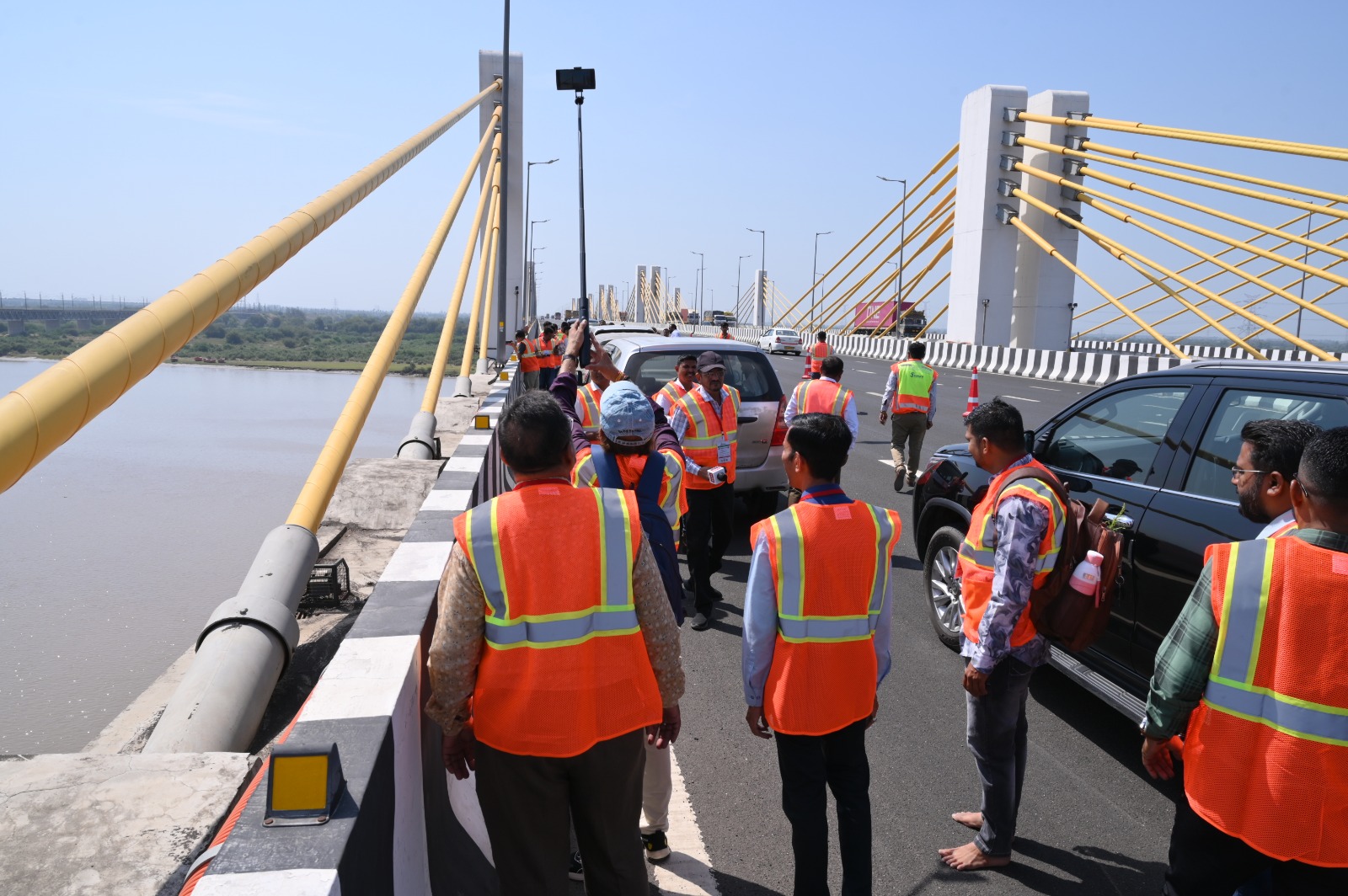
Despite facing multiple challenges, including severe floods that washed away temporary structures twice, and disruptions during the nationwide lockdown and monsoon seasons, the construction teams ensured uninterrupted progress. Specialized equipment such as tugboats and barges were deployed to maintain operations in the river.
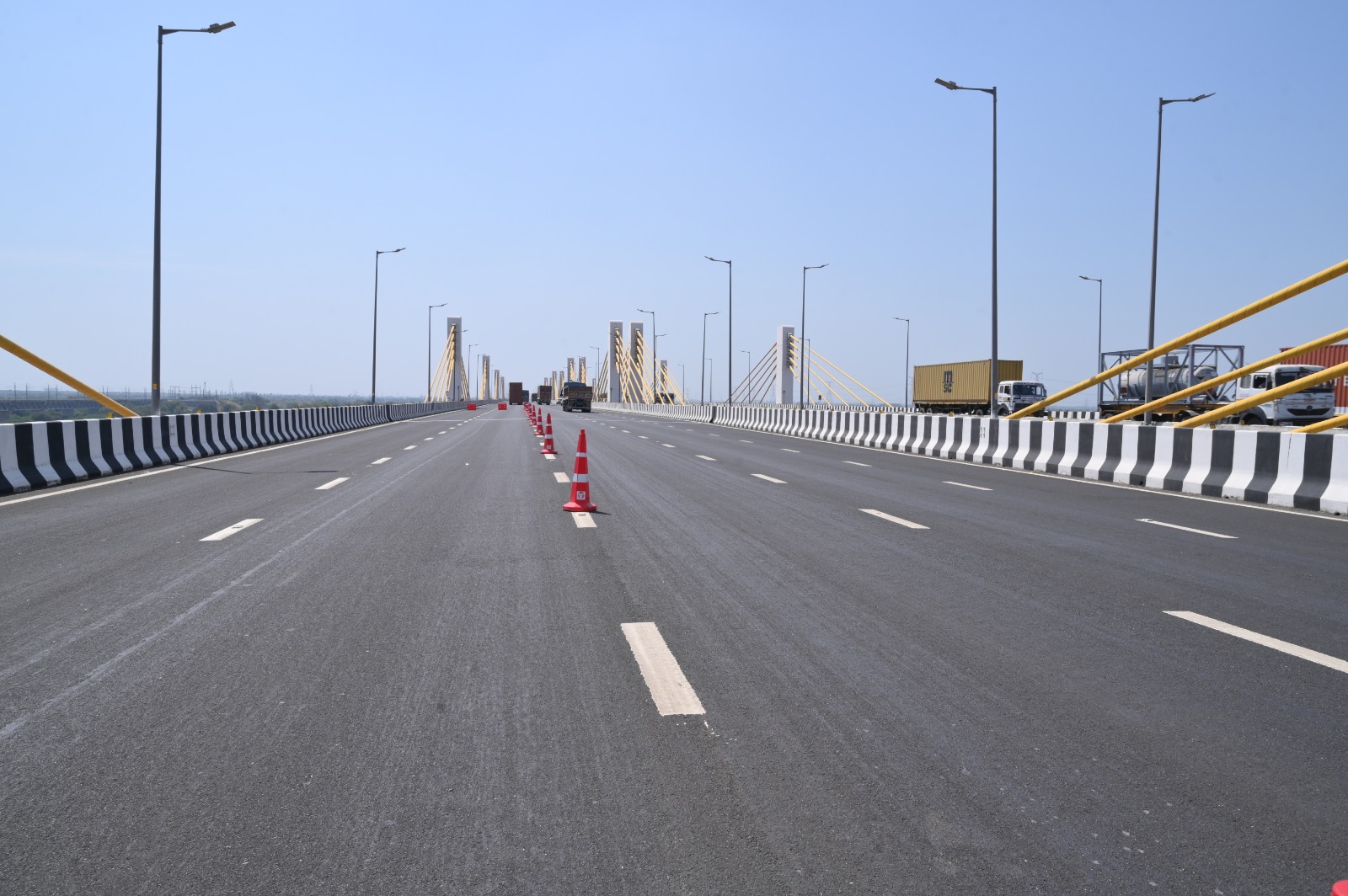
Beyond its engineering brilliance, the bridge is poised to become a catalyst for economic growth. By improving connectivity between key industrial hubs such as Delhi, Vadodara, Bharuch, Surat, and Mumbai, it is expected to boost manufacturing, logistics, and employment opportunities—particularly in industrial regions like Bharuch and Ankleshwar.
This milestone project not only strengthens India’s infrastructure backbone but also symbolizes the nation’s growing capability to execute complex, large-scale engineering works of global standards.
સોશિયલ મીડિયા પર અમને ફોલો કરો :  @PIBAhmedabad
 /pibahmedabad1964
 /pibahmedabad
 pibahmedabad1964[at]gmail[dot]com