Ministry of Education
IIT Jodhpur Marks National Science Day 2026 with Visionary Lecture on Scientific Leadership and Nation-Building
Prof. Dinesh Kumar Aswal Presents “Aswal Model” — A Blueprint for Managing Science, Strengthening Institutions, and Empowering India’s Innovation Ecosystem
Posted On:
02 MAR 2026 4:47PM by PIB Jaipur
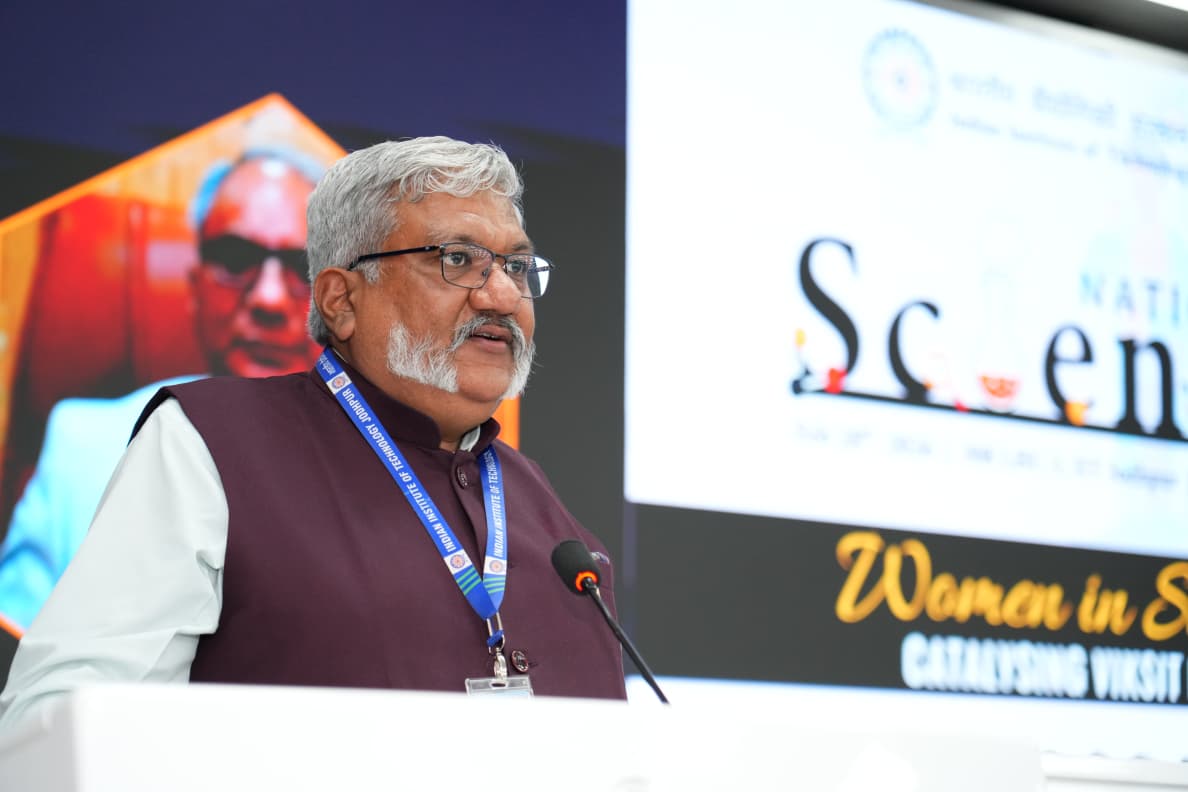
The Indian Institute of Technology Jodhpur (IIT Jodhpur) commemorated National Science Day 2026 with an inspiring Institute Lecture that spotlighted the transformative power of scientific leadership, institutional strength, and innovation ecosystems in shaping India’s future.
National Science Day is observed every year on 28 February to honour the discovery of the Raman Effect by Sir C. V. Raman — a breakthrough that earned him the 1930 Nobel Prize in Physics and established India firmly on the global scientific map.
Institute Lecture: Managing Science, Empowering India
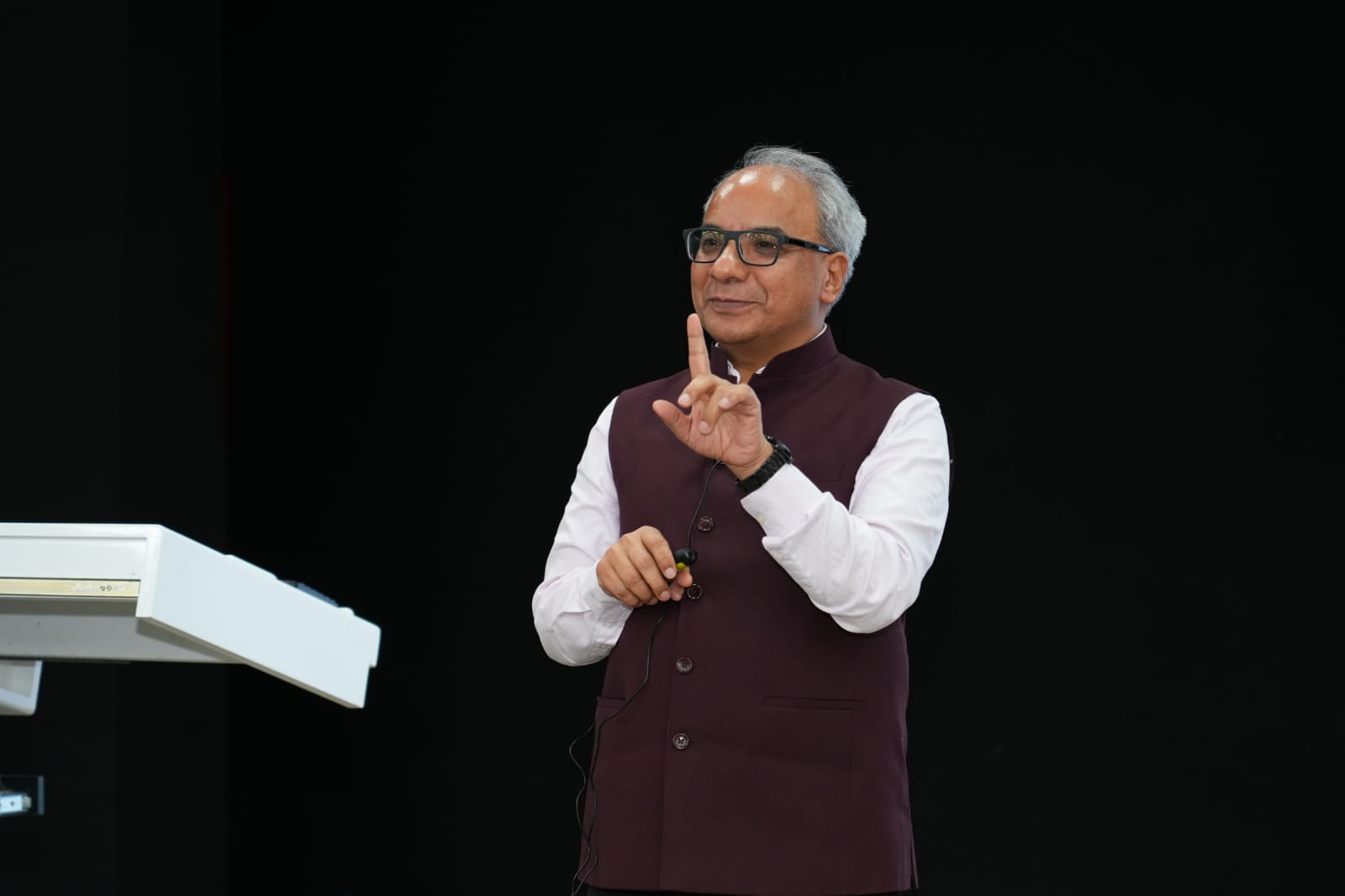
The highlight of the celebration was an Institute Lecture titled “Managing Science, Empowering India: The Aswal Model”, delivered by Prof. Dinesh Kumar Aswal, Member, National Disaster Management Authority (NDMA), Government of India.
Drawing from his extensive experience in scientific administration, institution-building, and disaster risk reduction, Prof. Aswal emphasized that the future of India’s scientific growth depends not only on path-breaking discoveries but equally on how science is organized, governed, funded, and aligned with societal priorities.
He highlighted what he termed the “invisible backbone” of modern civilization — strong scientific institutions, reliable standards, and trustworthy measurements — which quietly sustain sectors such as healthcare, manufacturing, trade, environmental protection, public safety, and national preparedness.
Science Governance and National Resilience
In his address, Prof. Aswal underlined how effective research management and sound scientific governance significantly enhance a nation’s ability to anticipate risks, build resilience, and respond efficiently to crises. He stressed that good science administration ensures that technology remains people-centric and contributes meaningfully to societal welfare.
A central theme of the lecture was the importance of quality infrastructure and metrology — the science of measurement — in strengthening innovation ecosystems. He explained how globally credible standards, interoperable testing frameworks, and measurement traceability form the foundation of industrial competitiveness, public health reliability, and sustainable development.
By linking India’s historic journey of scientific institution-building with contemporary global challenges, Prof. Aswal provided valuable insights into how strategic leadership and systems thinking can accelerate India’s progress toward technological self-reliance and global leadership.
The “Aswal Model” — Leadership with Purpose
Prof. Aswal presented the “Aswal Model” as a practical and experience-driven framework for scientific leadership and institution-building. Rooted in teamwork, accountability, clarity of purpose, and measurable outcomes, the model aligns scientific efforts with national priorities and long-term societal impact.
The core message resonated strongly: When science is managed well, it becomes a powerful instrument for empowering the nation.
IIT Jodhpur’s Commitment to Scientific Temper
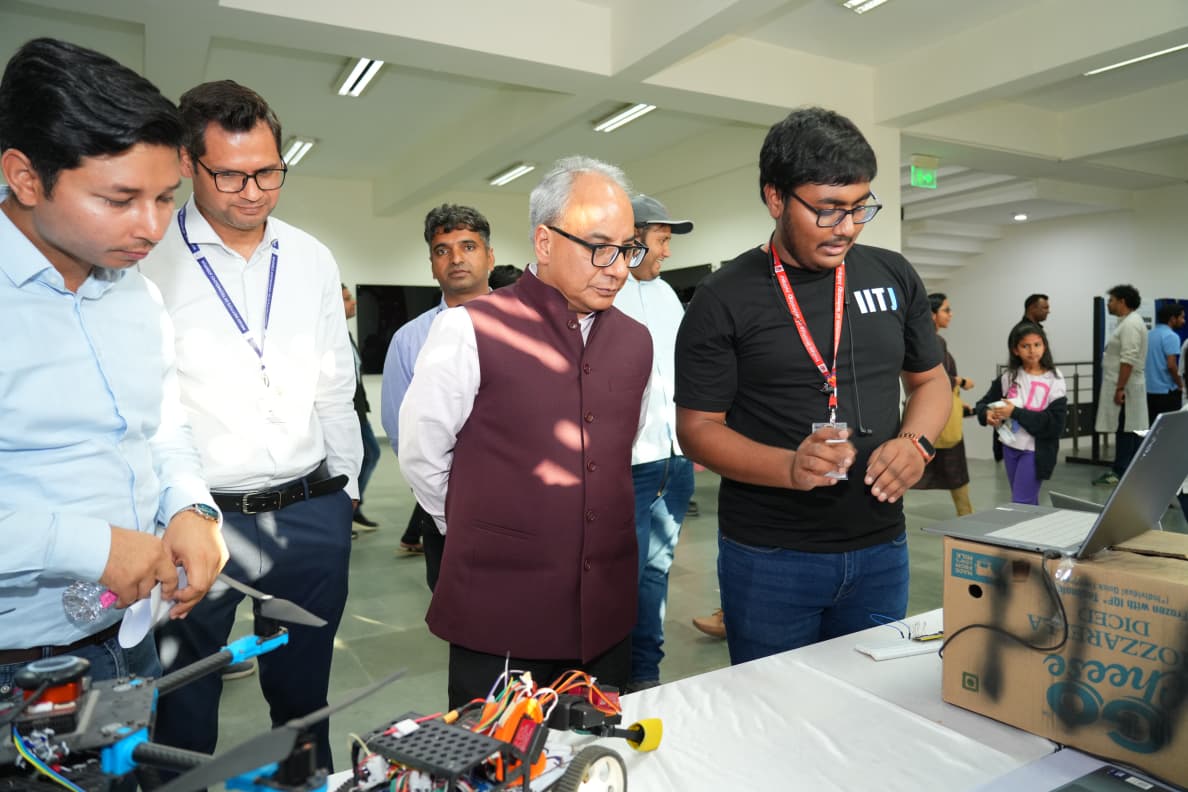
The National Science Day celebration reaffirmed IIT Jodhpur’s unwavering commitment to nurturing scientific temper, strengthening research culture, and inspiring young engineers, researchers, and scholars to pursue excellence with integrity and purpose.
By hosting thought-provoking dialogues on scientific leadership and governance, IIT Jodhpur continues to contribute to building a resilient, innovation-driven India aligned with national aspirations and global benchmarks.
YA6H.jpeg)
(Release ID: 2234555)
Visitor Counter : 122