Ministry of Information & Broadcasting
Journalists Engage in In-Depth Dialogue on Financial Inclusion at PIB’s ‘VARTA’ Workshop
Posted On:
31 JUL 2025 3:13PM by PIB Kolkata
Kolkata, July 31, 2025
Supported by the Reserve Bank of India’s DEAF (Depositor Education and Awareness Fund), NABARD has set up 118 Financial Inclusion Centres across 173 blocks in 21 districts of West Bengal in partnership with five lead banks. These centres, part of an extensive institutional push toward financial literacy and access, became the starting point of a spirited discussion on the financial drives in West Bengal at ‘VARTA’—a media workshop organised today by the Press Information Bureau (PIB), Kolkata, under the Ministry of Information & Broadcasting.
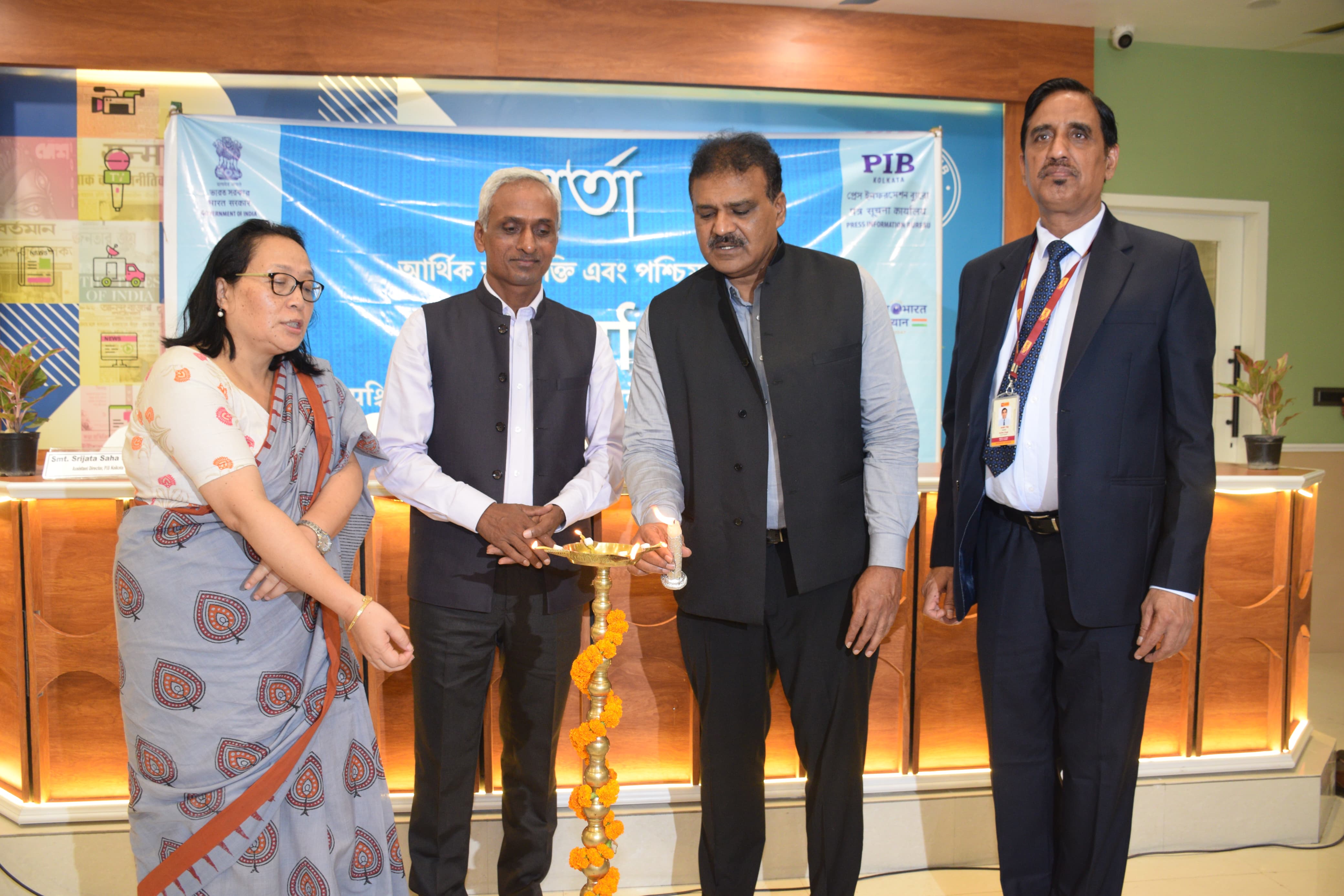
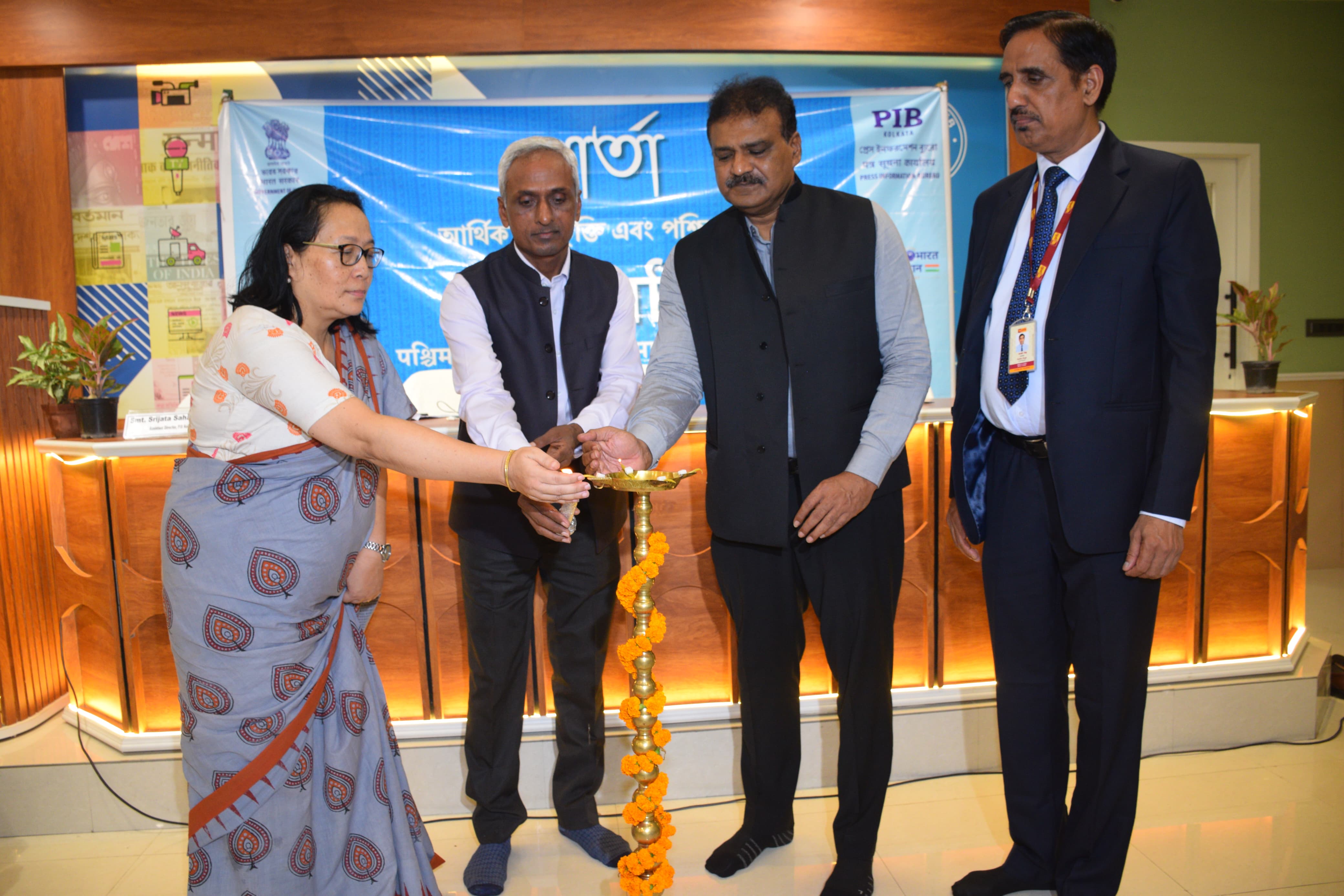
Held under the overarching theme of financial inclusion and the status of West Bengal, the workshop was tailored for working journalists, aiming to deepen their understanding of the structures, challenges, and innovations in India’s financial ecosystem. The programme was inaugurated with the ceremonial lighting of the lamp and a tree plantation drive under the “Ek Ped Maa Ke Naam” campaign, led by Shri T.V.K. Reddy, Director General (East Zone), PIB.
In his opening address, Shri Reddy reflected on the changing responsibilities of media institutions in the age of misinformation, stressing the critical role played by PIB in disseminating verified information. He cited the example of PIB Fact Check’s interventions during Operation Sindoor, noting that such efforts have become essential in an environment where narratives are vulnerable to distortion. He also underlined the importance of financial inclusion in fostering equitable development, especially within rural and unorganised sectors, where communication gaps continue to hinder the reach of institutional credit and financial awareness.
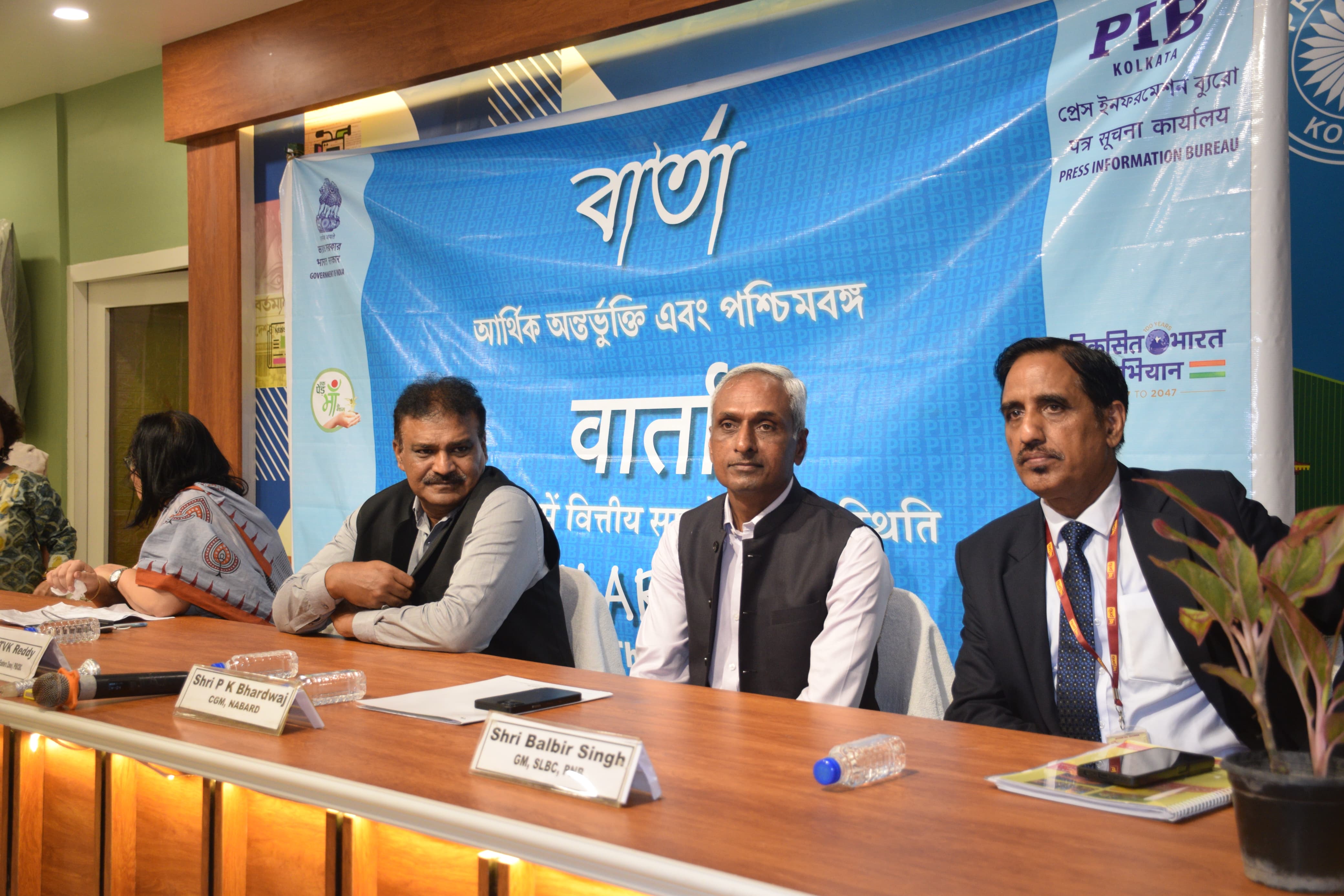
Delivering the keynote address, Shri P.K. Bhardwaj, Chief General Manager of NABARD, offered a detailed historical and structural overview of financial inclusion in India. He described financial inclusion as the universal availability of affordable, accessible and timely banking services and traced its genesis to the early 20th-century agricultural cooperative movement that sought to rescue peasants from the grip of exploitative money-lenders. He highlighted the nationalisation of banks, the identification of priority sectors by the Reserve Bank of India and the introduction of lead bank schemes as pivotal milestones. These, he said, laid the foundation for India’s modern financial inclusion framework.
He spoke at length about NABARD’s role since its inception in 1982 in advancing agricultural and rural development. From concessional financing for infrastructure projects to ground-level initiatives like self-help groups (SHGs) and joint liability groups (JLGs), NABARD has worked across verticals to enable access to finance. Shri Bhardwaj shared that NABARD has allocated ₹500 crore exclusively for financial awareness campaigns, which support workshops, point-of-sale facilities, and the deployment of solar-powered banking units in power-deficient villages. In West Bengal, these efforts have translated into concrete outcomes with the establishment of Financial Inclusion Centres across large swathes of the State. He also discussed innovations like the electronic Kisan Credit Card (e-KCC), which has improved credit access for cultivators in remote areas.
The second keynote speaker, Shri Balbir Singh, General Manager of SLBC (Punjab National Bank), elaborated on the multi-layered role of banks in enabling financial inclusion. He stated that the expansion of the banking network has been central to West Bengal’s progress, with every village having a population of over 5,000 now covered by a bank branch. No resident, he noted, needs to travel more than five kilometres to access a branch.
Shri Singh shared that over 5.38 crore Jan Dhan accounts have been opened in West Bengal, collectively holding deposits worth ₹25,000 crore and covering nearly half of the state’s population. He reported that 58 lakh citizens have benefitted from the Atal Pension Yojana, securing income security in old age. Emphasising the State's financial health, he revealed that West Bengal now holds ₹12 lakh crore in deposits and ₹8.5 lakh crore in loans, with a credit-deposit ratio of 70 percent—above the national benchmark of 60 percent. Districts like Kolkata and Cooch Behar, he said, have even crossed the 100 percent mark, a reflection of thriving local economies.
For the current financial year, the State’s credit target stands at ₹1.5 lakh crore, of which ₹25,000 crore has been earmarked for disbursement through Kisan Credit Cards. Agricultural loans up to ₹2 lakh are being backed by banks themselves as guarantors, removing hurdles for small farmers. He praised the entrepreneurial zeal of West Bengal, which is home to 45 lakh micro, small, and medium enterprises—7 percent of the national total—and added that collateral-free loans up to ₹10 lakh are now available to these enterprises through targeted bank schemes.
Shri Singh also noted that the joint contributions of the central and State governments have ensured systemic resilience in the banking sector. He highlighted that government initiatives such as Startup India have become lifelines for SC, ST, and women entrepreneurs, while bodies like KVIC have supported these efforts through subsidies. He further drew attention to the West Bengal Student Credit Card Scheme, which provides loans of up to ₹10 lakh for higher education with the state government acting as guarantor.
The workshop underscored the institutional and community-based efforts driving financial inclusion in the state. With over 10 lakh self-help groups and 19 Rural Self-Improvement Training Institutes operating in and around Kolkata, the scope for grassroots financial empowerment has widened significantly.
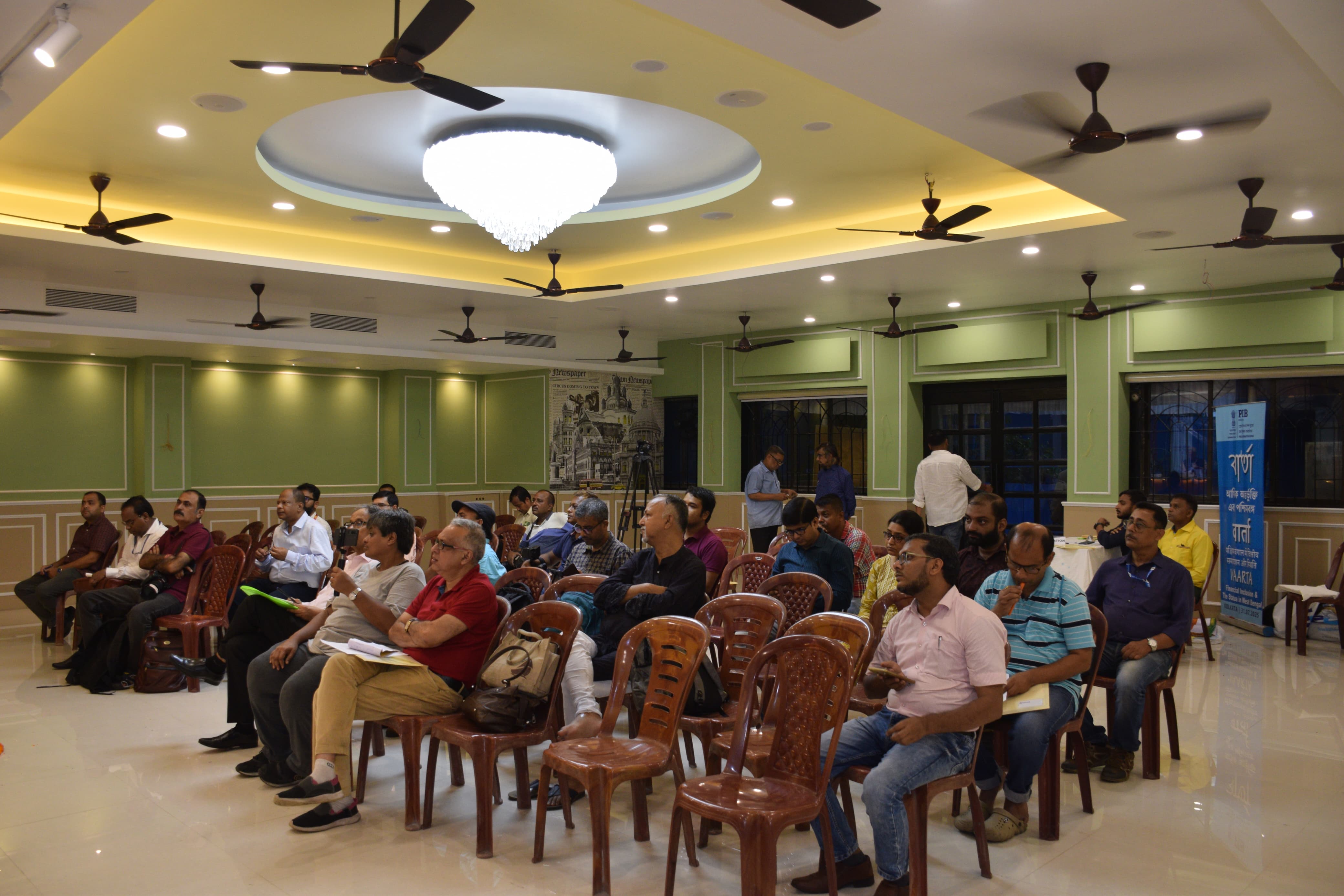
‘VARTA’ concluded with an interactive session that allowed journalists to pose questions, offer feedback, and share their perspectives on reporting financial topics with greater depth and responsibility. Certificates were distributed to participants at the end of the programme. The event reinforced the need for an informed media to play a facilitative role in India’s journey toward inclusive economic development, and highlighted how institutional transparency and communication can bridge long-standing gaps in awareness and access.
PIB’s ongoing commitment to capacity building through initiatives like VARTA and Vartalap reflects its larger institutional goal of fostering credible, accurate, and constructive dialogue between government and media. These platforms have consistently served as enablers of responsible journalism by bringing domain experts and reporters together on issues of national importance.
***
SSS/MSA/RS..............
(Release ID: 2150659)
Visitor Counter : 253