Ministry of Education
Mobile, Low-Cost Arsenic Detection Tool Developed by IIT Jodhpur Researchers for Ensuring Safe Drinking Water
Posted On:
06 MAY 2025 4:52PM by PIB Jaipur
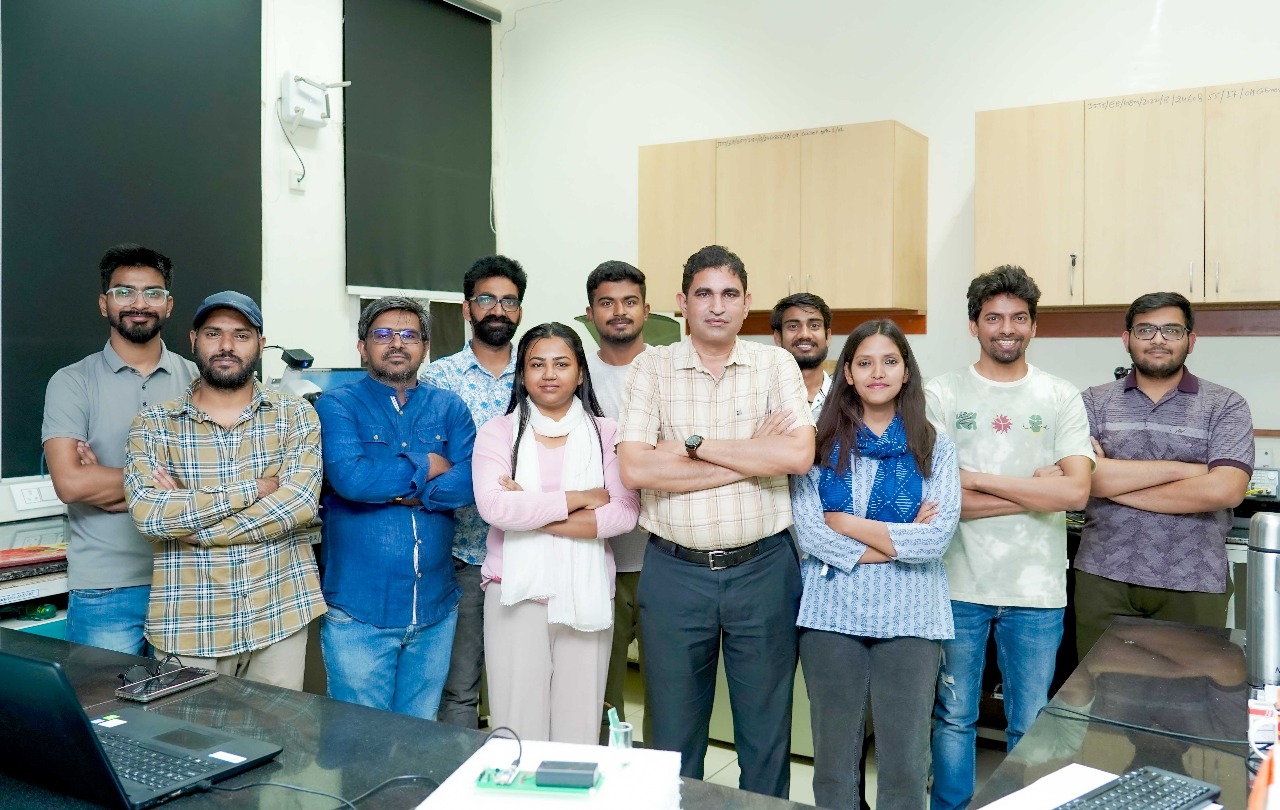
In a significant leap toward ensuring safe and accessible drinking water, Dr. Mahesh Kumar, Department of Electrical Engineering, and his team at the Indian Institute of Technology Jodhpur have developed an innovative, portable, and low-cost tool for on-site detection of arsenic contamination in water sources. The breakthrough addresses one of the most critical global environmental and health challenges—arsenic toxicity in groundwater, which is known to cause life-threatening diseases even at trace levels. A team of researchers at the Indian Institute of Technology Jodhpur has developed a novel, mobile, and low-cost sensor for the onsite detection of arsenic contamination in drinking water—a significant step toward mitigating one of the most critical threats to public health and the environment.
Published in IOP Publishing’s journal Nanotechnology (https://doi.org/10.1088/1361-6528/adcc37), this new tool enables real-time monitoring of water quality, particularly in remote and low-income regions. Designed for usability and accessibility, the device does not require complex laboratory infrastructure or skilled personnel and can be operated directly in the field.
Arsenic contamination, prevalent in various parts of India and globally, is known to cause severe health effects including skin lesions, cancer, and cardiovascular issues—even at very low exposure levels. An estimated 43,000 deaths annually are linked to chronic arsenic poisoning.
Traditional detection techniques such as spectroscopy and electrochemical sensing are often cost-prohibitive and rely heavily on sophisticated lab setups, making them impractical for wide-scale deployment. In contrast, the sensor developed at IIT Jodhpur can detect arsenic concentrations as low as 0.90 parts per billion (ppb) with an impressive response time of just 3.2 seconds.
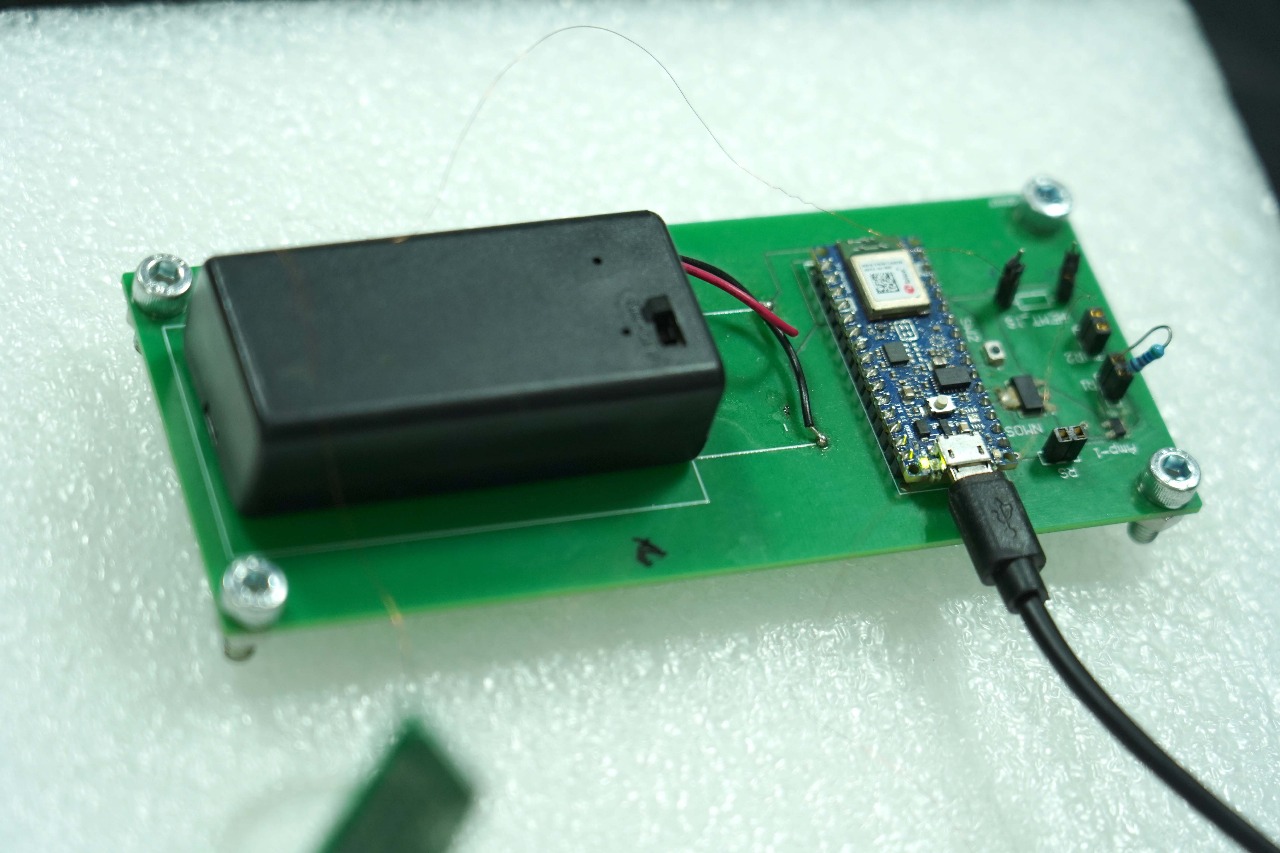
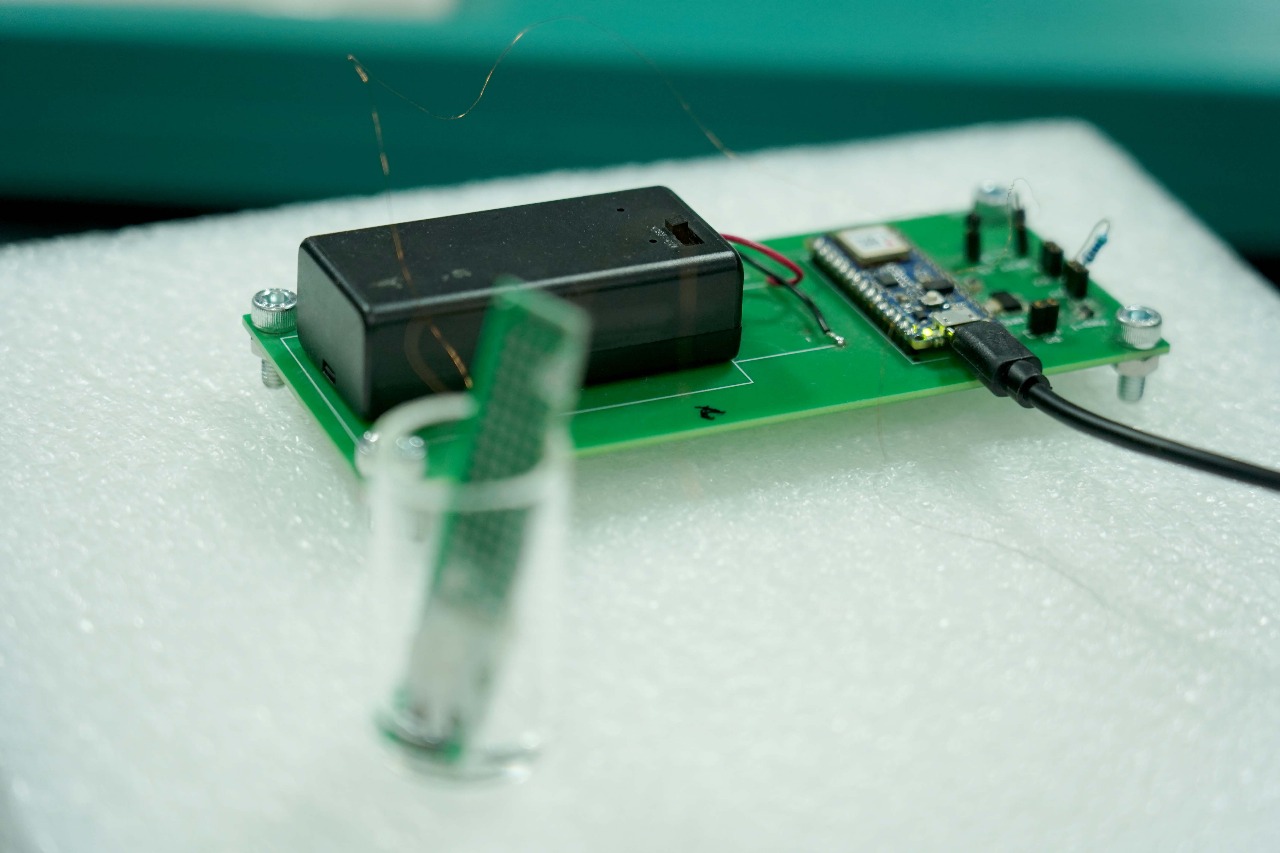
“Our aim was to create a solution that bridges scientific precision and grassroots usability,” said Mahesh Kumar, lead author of the study. “By integrating the sensor with a circuit board and an Arduino module, we’ve built a compact and portable tool for real-time detection. We envision this innovation helping communities gain access to safe water and preventing life-threatening conditions arising from arsenic exposure.”
This innovation is expected to serve as a game-changer in water quality assessment, offering scalability and affordability in public health monitoring programs.
0000
(Release ID: 2127265)
Visitor Counter : 18