Ministry of Education
IIM Kashipur Hosts ‘Samanvaya 2026’, Bringing Industry Leaders Together to Explore the Future of Work and Talent
- Senior HR and industry leaders examine AI, flexible workplaces and the changing face of hiring and the resume by 2040
- The conclave provided a platform for meaningful industry-academia dialogue on how technological advancements, particularly Artificial Intelligence (AI), changing employee expectations and evolving organisational structures are reshaping employment and human resource management
प्रविष्टि तिथि:
03 NOV 2026 11:38AM by PIB Dehradun
The Indian Institute of Management (IIM) Kashipur hosted its flagship Human Resource (HR) conclave, Samanvaya 2026, bringing together eminent industry leaders, senior HR professionals and management students to deliberate on the evolving world of work, changing workforce expectations and the future of talent management.
The conclave provided a platform for meaningful industry-academia dialogue on how technological advancements, particularly Artificial Intelligence (AI), changing employee expectations and evolving organisational structures are reshaping employment and human resource management.
The event commenced with a panel discussion titled ‘Beyond the 9-to-5: What Will “Employment” Even Mean by 2040?’, moderated by Mr. Amey Pachpute, Technology Product Manager at BlackRock and an alumnus of IIM Kashipur. The discussion examined how organisations must balance operational stability with innovation while adapting to rapid technological change.
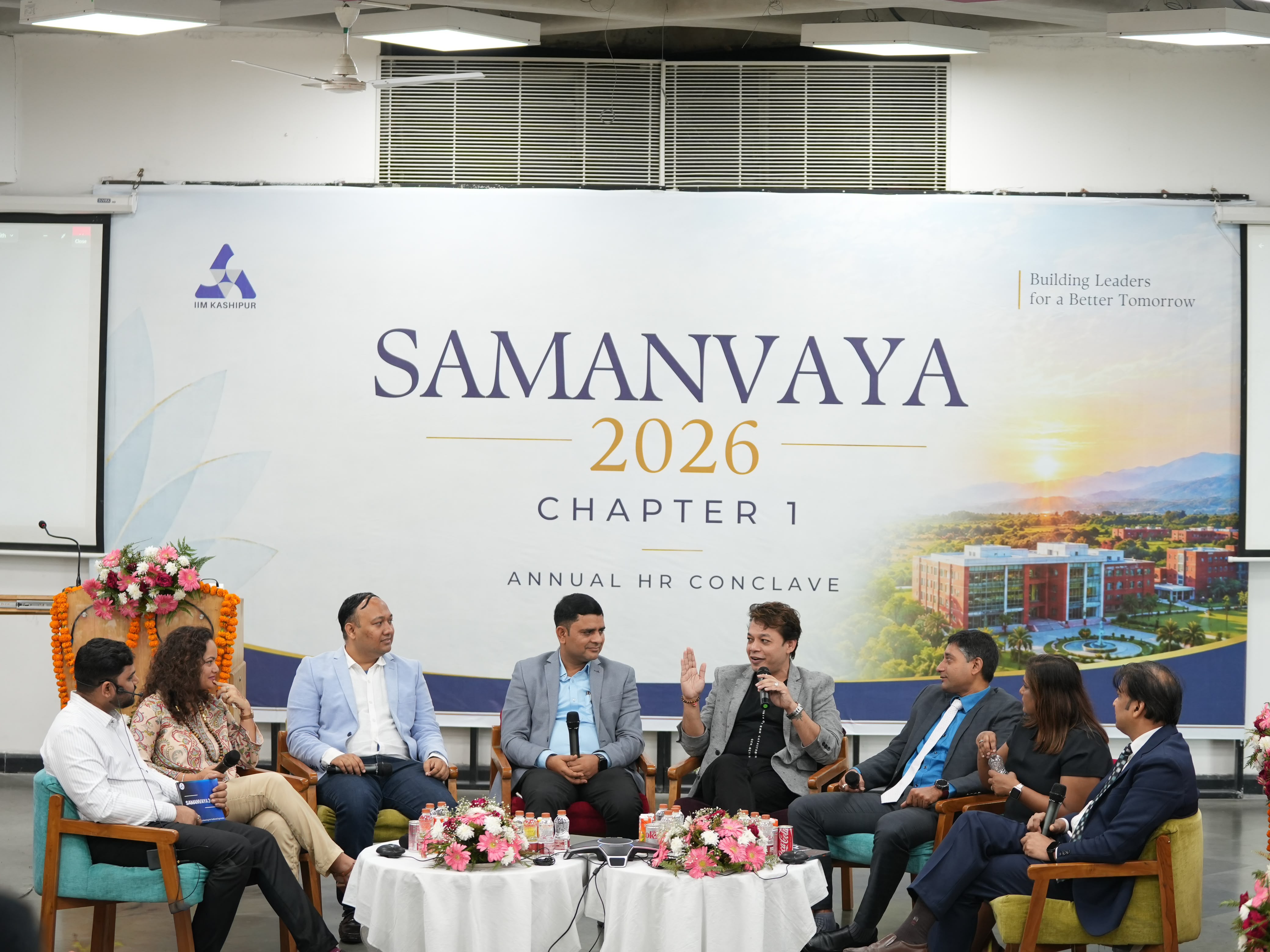
Mr. Pachpute highlighted how entry-level hiring patterns are evolving and how young professionals can use workplace flexibility to drive strategic outcomes, noting that leaders in the 35–45 age bracket, who developed in a different corporate environment, bring their own perspectives on autonomy and flexibility. “Beyond core technical skills, the cultural fit assessment has now emerged as a decisive factor in candidate selection,” he said.
Mr. Sankalp Nanda, Senior Manager (HR Rewards) at London Stock Exchange Group (LSEG), discussed the role of AI in entry-level hiring. He noted that AI is raising the bar for aspiring professionals, encouraging them to build depth of knowledge, which companies continue to value strongly. Even with regulatory caution, he said, organisations are now “far more open to integrating AI into our workforce processes” as they invest in AI infrastructure.
Mr. Yogesh Khatale, Deputy General Manager – L&OD at Praj Industries, observed that even traditional 9-to-5 sectors such as banking now operate 24x7 online. “AI will not replace your job, but it will change how you work,” he said, adding that AI cannot replace human judgment and problem-solving, and that an individual’s contribution will increasingly take precedence over designation.
Mr. Navneeth Sulakhe, Chief People Officer at SmartQ, underscored the need for inclusive and flexible workplaces, noting that the key with Gen Z is to give them work aligned with their interests. He pointed to a shift towards flexible, outcome-focused working where, in his words, “only productivity matters.”
Mr. Santosh Padhy, Associate Director – HR at Protiviti, said the traditional 9-to-5 model is giving way to a culture of continuous relevance, and encouraged young professionals to enter organisations with an open mindset. He noted that junior team members are now involved in key decisions, which makes them feel valued and narrows the hierarchical gap.
Ms. Nidhi Bharadwaj, Executive Vice President at Marsh, said management trainees are primarily assessed on how well they adapt to change, while lateral hiring prioritises empathy and the human element. She also cited reverse mentoring, in which young professionals mentor managers and bring fresh perspectives to leadership.
Ms. Urmila Patil, GM – HR/People Strategy at Reliance Power, said freshers add value because they ask the right questions, and urged managers to understand and guide them. She called for loyalty to be redefined: “It should no longer be measured by the number of years served, but by how well an employee executes their work.”
Mr. Girijesh Srivastava, Human Resources and L&D Leader – HR CoE at Reliance Jio Infocomm Limited, stressed the need to build practical competencies. “You should never include a single skill that you cannot speak about for 5–15 minutes,” he advised candidates, adding that capability must be demonstrated rather than merely listed on a resume.
The second panel, ‘Beyond the Checkbox: What Will Strengthen the Resume by 2040?’, explored the changing parameters of employability, covering recruitment practices, business understanding, digital presence, problem-solving and organisational culture. Moderated by Mr. Vikram Asopa, Search Specialist at Google, it examined how candidate evaluation is shifting from traditional resume screening to assessing real-world problem-solving, digital presence and genuine cultural fit.
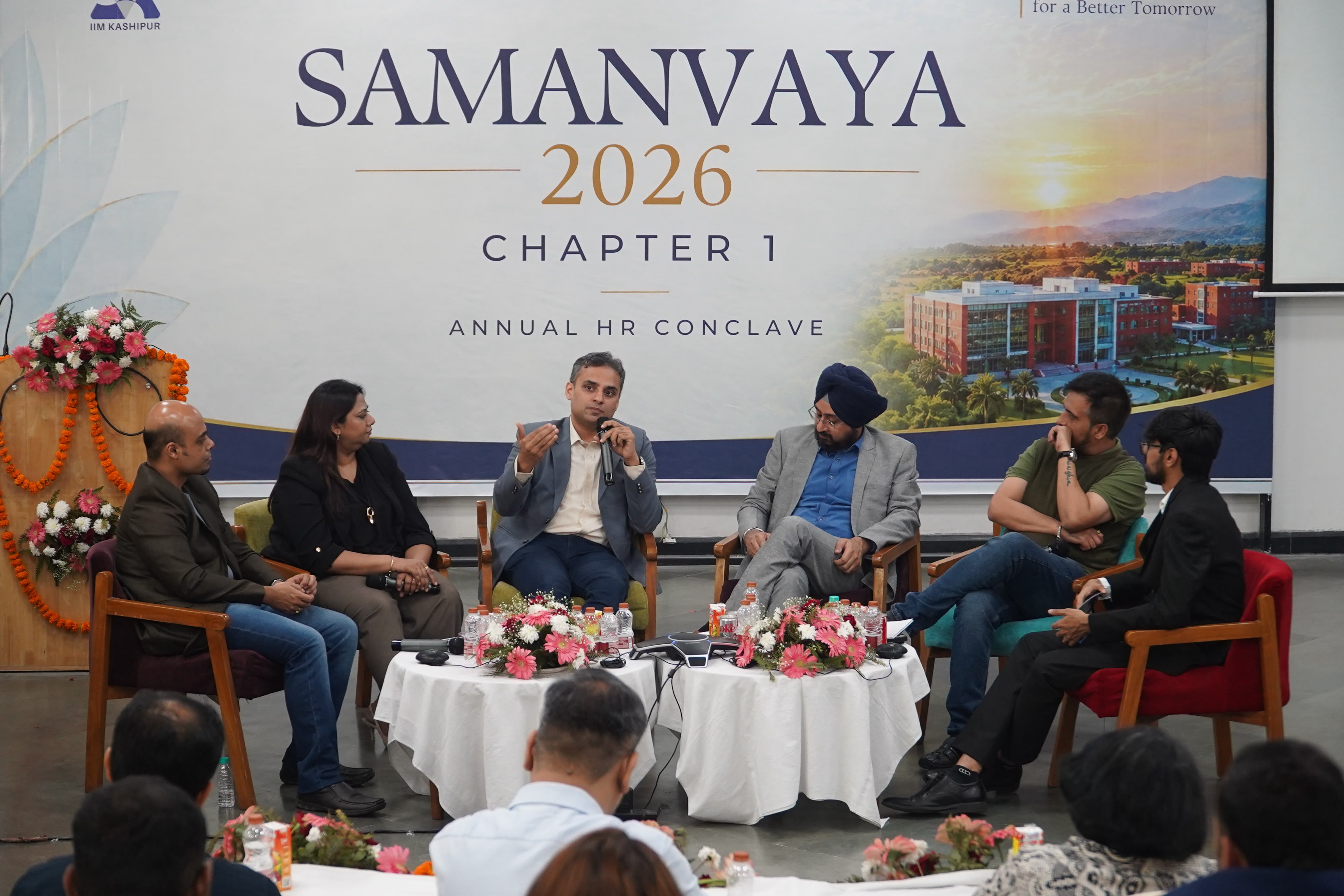
Mr. Arpan A. Omray said resumes have evolved over two decades from factual records into tools of storytelling. “Your resume represents your personal brand and digital persona to prospective employers,” he noted.
Ms. Samskriti Ramgad, Vice President and Head – HR at BIG FM, said resumes “aren’t going anywhere” but are evolving in format. Candidates must understand the job description and present their journey effectively, while for freshers, with no predefined expectations, hands-on practice is the real way to stand out.
Mr. Arjun Mohan, AVP – HR at Mphasis, said recruiters now look beyond certifications to business understanding, adaptability and problem-solving impact, and that a clear story of resilience and value addition makes a candidate stand out.
Mr. Avneet Singh, AVP – HR at Axis Max Life Insurance Limited, observed that with both recruiters and job seekers using AI, employers look past resume statements to the authentic story and decision-making rationale behind a candidate’s achievements. Candidates, he said, should actively drive the interview.
Mr. Shubham Tripathi, Head CoE – HR at R Systems, said relevant experience and a genuine value proposition matter more than certifications alone, along with emotional intelligence, discipline and cultural fitment, “because an organization’s culture is ultimately shaped by its people, not just its policies.”
The conclave concluded with an interactive exchange between the panellists and management students, giving them the opportunity to engage directly with practitioners on emerging workplace trends and evolving professional expectations.
Through Samanvaya 2026, IIM Kashipur reaffirmed its commitment to strengthening industry-academia engagement and bridging academic learning with management practice, preparing future business leaders for an increasingly dynamic, technology-driven and complex business environment.
(रिलीज़ आईडी: 2331924)
आगंतुक पटल : 81
इस विज्ञप्ति को इन भाषाओं में पढ़ें:
Hindi_Ddn