Ministry of Information & Broadcasting
CGCRI showcases materials-led innovations for Viksit Bharat
प्रविष्टि तिथि:
24 SEP 2026 3:10PM by PIB Hyderabad
As part of the PIB Hyderabad media tour to Kolkata, a media delegation from Telangana visited the CSIR-Central Glass & Ceramic Research Institute (CGCRI) today, where Professor Bikramjit Basu, Director, CSIR-CGCRI, showcased the institute’s pioneering work in ceramics, glass and advanced materials and its contribution to indigenous technology development for healthcare, strategic and national security, energy, industry and sustainability.
Speaking on the theme “Materials-Led Innovation for Viksit Bharat: A Developed India,” Professor Basu outlined the role of CSIR in taking research and scientific discoveries from laboratories towards technology development, industrial adoption and societal applications. He said CGCRI, established in 1950 and recently completing 75 years of its scientific legacy, is among the leading institutions globally focused on ceramics, glass and advanced materials.
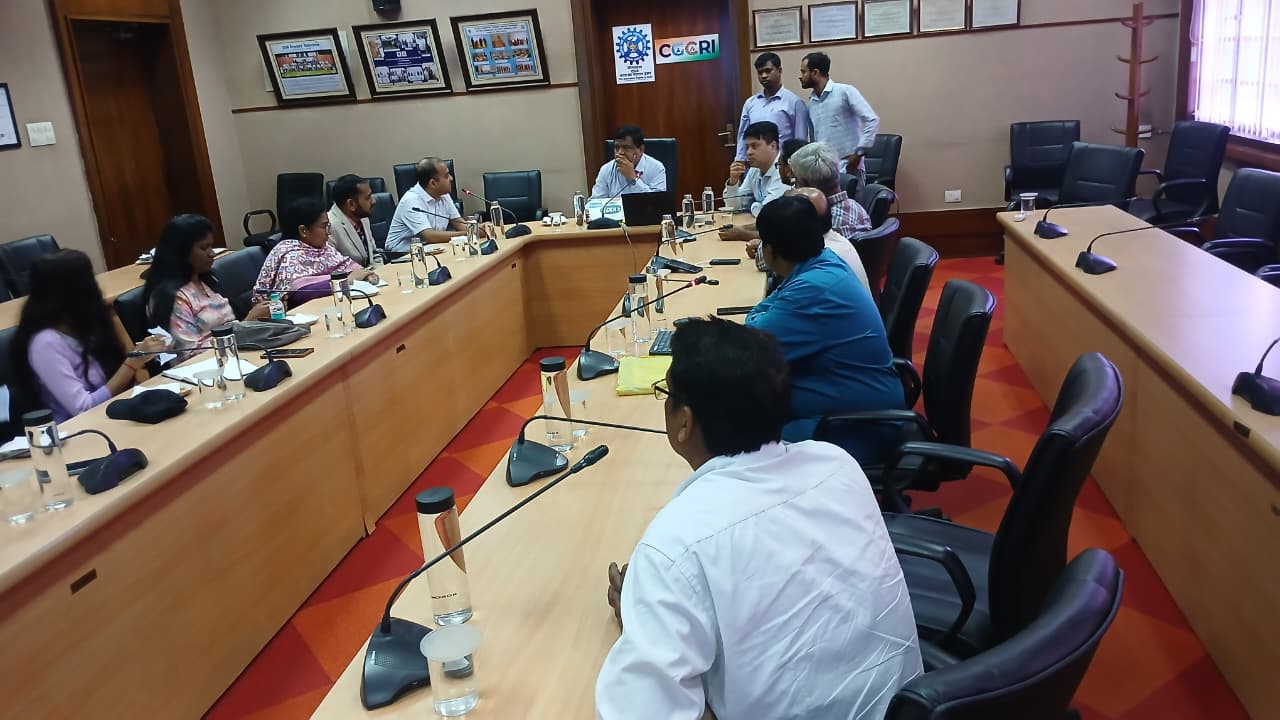
Professor Basu highlighted CGCRI’s work across five major areas—healthcare; strategic and national security; industry and infrastructure; energy; and water and sustainability. He explained that the institute works closely with industries, academic institutions, government R&D organisations and regulatory agencies to develop and commercialise technologies aligned with national priorities and the Sustainable Development Goals.
In the healthcare sector, CGCRI has developed zirconia-toughened alumina ceramic femoral heads for hip-joint replacement applications. The technology has been transferred to an Indian industry partner and the product has entered the market. The institute has also developed advanced materials for spinal implants and a thulium fibre laser system for lithotripsy, enabling targeted fragmentation of kidney stones. Other technologies showcased included a non-invasive breath analyser for diabetes-related applications and advanced electrospun-fibre-based materials for sanitary hygiene products.
_20260924151409_1b8b3c.jpeg)
In the strategic and national security domain, Professor Basu highlighted CGCRI’s collaboration with organisations including DRDO and ISRO. Technologies showcased included ceramic radomes for high-temperature applications, chalcogenide glass for thermal imaging systems, laser glass for high-energy applications and high-quality optical glass for space applications. He noted that the institute has achieved stringent optical homogeneity requirements for space-grade glass.
The Director also highlighted CGCRI’s work in the energy sector, including solid oxide electrolyser technology for green hydrogen production and advanced ceramic materials for rechargeable battery applications. A paper-based ceramic separator, named “PEPARETOR,” developed for lithium-ion, sodium-ion and supercapacitor applications, was presented as a potential low-cost and flame-retardant alternative to conventional polymer separators.
Professor Basu said CGCRI is strengthening collaboration with industries, MSMEs, startups, strategic sectors and academic institutions to accelerate the translation of laboratory research into deployable technologies. He also highlighted the institute’s outreach and skill-development programmes aimed at encouraging scientific interest among students and developing technical capabilities.
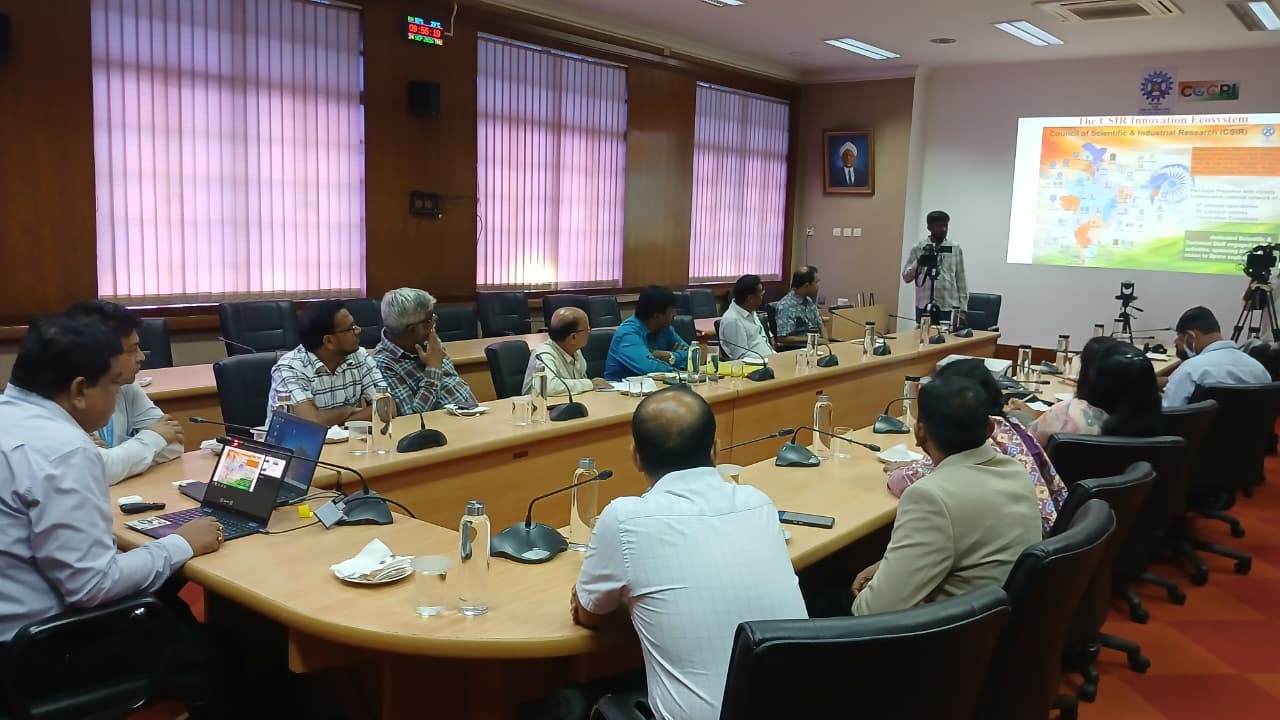
He said CGCRI’s research and technology programmes are contributing to national priorities and supporting the broader vision of Viksit Bharat@2047 through indigenous innovation in advanced materials, healthcare, strategic technologies, energy and sustainable development.
***
(रिलीज़ आईडी: 2314354)
आगंतुक पटल : 13